24 Types Of Lettuce For Salads, Sandwiches, And Beyond
But it's important to note that all lettuce is not the same. There are tiny individual loose-leaf varieties of lettuce, giant cabbage-like heads of the stuff, and even a considerable number of lettuce-adjacent "relatives." So don't just settle for one type of greens in your fridge and call it a day.
“Leaves from this lettuce mini-me are sweet, nutty, crisp, and refreshing. It can of course be used in salads, but because of its size, Little Gem leaves are also ideal to”
But it's important to note that all lettuce is not the same. There are tiny individual loose-leaf varieties of lettuce, giant cabbage-like heads of the stuff, and even a considerable number of lettuce-adjacent "relatives." So don't just settle for one type of greens in your fridge and call it a day. Depending on personal tastes and the meal you're making, there's a perfect member of the lettuce family out there just waiting for you to put it to work and make any plate of food shine. Here are some of our favorites — "lettuce" break down their differences so you can find the leafy green that's just right for you.
Romaine
Romaine lettuce is the workhorse of the leafy green family. It's popular for its crisp texture and slightly bitter taste which packs just a hint of sweetness. You can generally find romaine in markets year-round although its peak growing seasons in the U.S. tend to be the spring and fall. To easily ID this beloved lettuce, look for a thick rib which runs down the center of each leaf. As for its uses, romaine is a classic ingredient in Caesar salads in particular. But because its leaves are so hardy, romaine is also ideal for the grill. Just brush with olive oil and roast until lightly charred. It's also perfect for wraps — simply fill the leaves with seasoned ground beef and Mexican or Asian-inspired toppings. Or make a "green" burrito or enchilada by rolling romaine leaves with cooked beans, rice, salsa, and cheese. Eat it fresh or bake in the oven until the chee
Iceberg
Iceberg lettuce tends to get a bad rap. The mild and subtly sweet lettuce is affordable and super crunchy, so it's often used in salads or piled high on tacos or sandwiches where it doesn't always get a chance to shine properly. It also doesn't pack the same levels of fiber or other nutrients as some of the more popular and "healthy" leafy greens you can find in grocery stores, so many people steer clear of it. But that's a mistake. Iceberg lettuce is ideal when mixed with other greens in a salad. It can make spinach, kale, or arugula seem less potent and will bring a crunchy freshness to your dish. It also provides the perfect fresh, crunchy counterpart to flavorful proteins like tuna, salmon, or beef. Use it to make an incredible cabbage-free slaw or as a bed for grilled chicken or salmon or for mayo-forward chicken, ham, or tuna salads. And there's a reason it's st
Butterhead
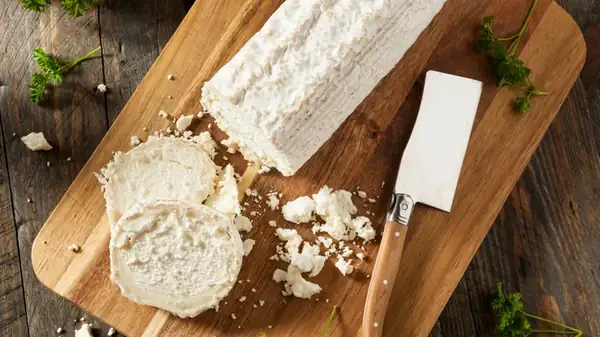
Like romaine, Butterhead lettuce is another lettuce that's available year-round and that grows in loose, compact heads. However, the thing that sets Butterhead apart from other lettuces is its leaves, which are mild and sweet with a creamy, buttery texture (as its name suggests). These tender and delicate leaves can range from light green to pale yellow or creamy white, depending on where they come from on the plant. The most popular Butterhead varieties include Boston and Bibb. Because of its unique taste and texture, Butterhead lettuce pairs perfectly with more potent flavored ingredients which can really help to make those flavors shine. Toss it with fresh herbs, goat cheese, and a drizzle of honey for an amazing side salad. Or, go for a fruitier salad with fresh apple slices, toasted walnuts, and a tangy vinaigrette. You can also use Butterhead lettuce a
Green leaf
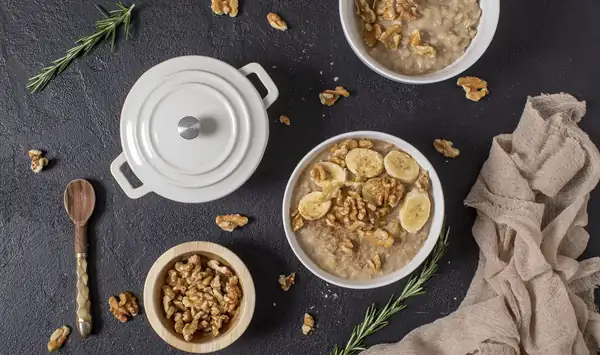
This lettuce which sports large, ruffled, crinkly leaves may have the most boring name imaginable — it's known simply as green leaf lettuce. Unlike iceberg lettuce, for example, which grows in a compact head around a central stem, green leaf lettuce grows as large single loose leaves. It's most often described as having a robust flavor that's still just a tad sweet but also packs some subtle bitter, slightly spicy undertones. In addition to use in salads, green leaf lettuce is ideal as the base in a variety of "bowl" meals. Use it in homemade poke bowls, burrito or taco bowls, Vietnamese noodle bowls, Asian salad bowls, or Mediterranean-style bowls filled with cooked couscous, bulgur wheat, chickpeas, and roasted vegetables. Or substitute it in place of a bun when making burgers. It's also ideal for breakfast bowls! Just lay down a base of cooked quinoa or oats, the
Red leaf
Similar to green leaf lettuce, red leaf lettuce may not have a fancy name, but it still delivers big time when it comes to freshness and flavor. This variety of loose-leaf lettuce is generally considered mild and slightly sweet yet it also still sports a subtly bitter, pepper-like bite. Because of its deep reddish purple hue, red leaf lettuce should be your go-to lettuce when appearance counts and you want to make a striking dish for a dinner party or Sunday brunch. For example, red leaf lettuce is perfect for making smoked salmon salad rolls. Just wrap smoked salmon, avocado, cucumber, and herbs in softened rice paper and follow with a large red leaf lettuce wrapped around that. Or make a grilled shrimp appetizer by filling these red leaves with grilled shrimp, diced mango and jicama, and a citrusy dressing. Because of its large size, red leaf lettuce is
Mesclun
Rather than being one distinct variety of lettuce, mesclun is actually a blend of a number of different varieties of leafy greens that tend to be the first to sprout each season. That's where its other name — "spring mix" — actually comes from. Although today, it's a bit of a misnomer since these leaves are now available year-round. Mesclun comes in a variety of shapes and sizes, ranging from rounded to elongated or frilly. The thing that sets these leaves apart is they all tend to be small to medium-sized, and they are all harvested at the earliest stages of plant maturity, when they're at their most vibrant and flavorful, with the greatest crispness and crunch. Mesclun is of course wonderful in salads. but don't let your creativity stop there. You can use mesclun in stir-fries and fruit smoothies, where it adds a refreshing "green" kick. Or, spread it on flatbrea
Arugula
Although arugula isn't officially a member of the lettuce family (it's really a cousin to broccoli and cabbage), its often grouped with lettuce because of the appearance of its leaves, which have deep irregularly shaped lobes. Arugula is also significantly more flavorful than standard lettuce plants. The leaves have a unique peppery, slightly bitter bite that gets more potent as the leaves grow larger and more mature. In addition to using arugula in salads and sandwiches, it's perfect for a number of different Italian dishes. Add it as a topping on meat or vegetable pizzas or pair with goat cheese on a homemade flatbread or caramelized onions on a baked crostini. You can also toss sautéed arugula with cooked pasta, garlic, olive oil, and grated cheese or stir it into a risotto. For show-stopping stuffed chicken breasts, just mix together arugula, cheese, and herbs
Spinach
Spinach is not technically a member of the lettuce family. It's actually related to beets, Swiss chard, and a quinoa-like grain called amaranth. Still, Popeye's favorite veggie is widely regarded as one of the most popular leafy greens around — and not just for salads. Pungent, earthy baby spinach is a great option to add to scrambled eggs, omelets, or frittatas. Its flavor adds a wonderful umami quality to the mixture of cheese and eggs you find in all three breakfast staples. Spinach can also take a starring role in plant-based spinach quesadillas. Just layer the leaves with the cheese of your choice between two tortillas and then cook until the cheese is melted and the tortillas are crispy. Or, for an alternative to chips, try throwing together a batch of DIY spinach chips. You can make them in minutes by tossing baby spinach leaves with olive oil,
Kale
Often referred to as the "king of greens," kale packs a distinct flavor and nutritional profile that sets it apart from lettuce. A member of the Brassicaceae family (which also includes radishes, Brussels sprouts and turnips), kale plants have dark green leaves with a highly textured or ruffled appearance. Loved (or hated by some) for its funky and slightly bitter taste, kale adds depth and richness to various dishes and can be eaten both raw or cooked. Using kale in a salad? Be sure to remove the thick stem which is too tough to chew. Then "massage" the leaves — not by rubbing them between your fingers, but instead by tossing them with a bit of vinaigrette or lemon juice which can help to soften them and reduce their natural bite. In addition to simple kale salads, this leaf is also great blended with avocado in a homemade guac, used in place of seaweed in sush
Radicchio
One of the most striking plants in the veggie world, radicchio is famous for its vibrant red or purple leaves and white veins. A relative of the herb chicory, radicchio tends to have a pleasant yet bitter and peppery punch that is ideal for adding a unique flavor to salads and more. Slice it into thin strips and toss with orange segments and toasted sunflower seeds for a crunchy and refreshing side salad that goes perfectly with grilled meats. Or, for a more savory option, mix thinly sliced radicchio and fennel with fresh dill and parsley and then top with a simple mix of olive oil, lemon juice, salt, and pepper. Alternatively, grilling or roasting radicchio is a perfect way to bring out its natural sweetness and soften its bitter bite. The heat transforms the leaves, giving them a delightful smoky and caramelized flavor. You can eat grilled radicchio on its own or
Batavia
Batavia lettuce, or French crisp lettuce as it's sometimes known, is the lettuce to use if you don't like spice. These mild, sweet leaves are instead often described as being sweet and nutty in flavor. They're also incredibly crisp and tender yet still supply a highly satisfying crunch. Even kids who are picky eaters tend to like this highly palatable leafy green! Batavia is perfect for a classic garden salad with cherry tomatoes, cucumber slices, shredded carrots, and sliced red onions. It's also the ideal complement to Mediterranean salads filled with Kalamata olives, feta cheese, and fresh herbs. For a heartier option, consider using Batavia as your lettuce of choice in a wrap made with grilled chicken, shrimp, tofu, or sautéed veggies. Because of that crunch, Batavia can also be used as a replacement for traditional rice paper in a spring roll or as the "cup" t
Endive
Known for its elongated shape and pale, tightly packed leaves, endive has a uniquely sharp and tangy flavor profile you don't get with other leafy greens. You can cook endive in a variety of different ways for delicious savory sides. It's great sautéed, grilled, braised, and even roasted — simply drizzle the leaves with olive oil, add a dash of salt and pepper, and roast until tender. Endive can also be enjoyed fresh! It's the ideal base for party appetizers that look fancy but can be thrown together quickly. Top individual endive leaves with smoked salmon and cream cheese, goat cheese, fresh herbs, or tiny chunks of Brie, plus a dollop of fig jam. You can also use individual endive leaves as "taco shells" and fill them with seasoned ground beef, black beans, diced tomatoes, and shredded cheese. Or spoon guacamole onto endive leaves and top with diced tomatoes, chi
Frisée
Frisée is a cousin to endive. It's got the same unique tang and sharpness, except this time that flavor comes in a super curly, frilly leafed packaged. Because its leaves are so textured, frisée tends to be used as an ingredient in other dishes rather than taking a starring role on its own as individual leaves like endive. Use it in a salad made with roasted beets, crumbled goat cheese, toasted walnuts, and top with a light citrus dressing. Or toss frisée with sliced pears, crumbled blue cheese, toasted pecans, and a honey mustard dressing for a perfect weeknight salad you can serve with almost anything. Feeling adventurous at breakfast? Smear mashed avocado on a piece of toast and top with frisée leaves, sliced radishes, and a pinch of chili flakes for an open-faced sandwich that will definitely wake you up. Or use it as the filling for a hearty omelette. Just spread
Watercress
Despite its lettuce-like appearance, watercress is very different from your traditional green leaf or romaine lettuce. This semi-aquatic plant is usually grown in shallow, running water. It likes cool, moist conditions so it's most widely available during the spring and early summer months. Unlike single large leaves of lettuce, watercress leaves are small, tender, and oval-shaped and tend to grow in clusters. Finally, and perhaps most importantly, watercress also tastes distinctly different from lettuce in a number of ways. It has a more pronounced and peppery flavor compared to the mild taste of lettuce, and it isn't quite as crunchy or refreshing. Still, despite those differences, watercress can make a great salad ingredient! Try pairing it with ingredients like fresh strawberries, crumbled feta cheese, and toasted almonds or cooked quinoa, diced cucumber, cherr
Escarole
The main distinguishing trait of escarole (another relative to endive, radicchio, and frisée) is its broad, curly, deeply lobed leaves, which tend to form a form a loose head when growing. Like its cousins in the chicory family, escarole has a fairly bitter taste that can vary depending on the maturity of its leaves. While it's often used fresh in salads, escarole is also commonly cooked in soups, stews, sautés, and other braised dishes. In addition to these more standard uses, escarole is perfect for letting your creativity shine in the kitchen. Add it to chicken or vegetable soup, where it provides a refreshing burst of fresh flavor and color. You can make escarole gratin by layering sautéed escarole leaves with cheese, breadcrumbs, and a creamy sauce and then baking until golden and bubbly. Or, try whipping up some escarole quesadillas. Just sandwich escarole
Red Sail
Like red leaf lettuce, the main distinguishing trait of Red Sail lettuce is its vibrant red or burgundy-colored leaves which can be especially striking when growing fresh in a garden. In addition to salads, Red Sail lettuce is a veggie that goes amazingly well with pasta. You can sauté it and add the leaves to red sauce or simply toss them with cooked pasta and grated cheese for a simple, rustic lunch. For an elegant Sunday brunch, you can even whip up a Red Sail tart. Spread goat cheese and thinly sliced prosciutto onto a pre-baked tart shell and then top with caramelized onions and a handful of Red Sail lettuce. Then bake until the leaves are wilted and the tart is golden brown. Red Sail can even be used to make lettuce fritters. Simply mix a good amount of the leaves into a batter of flour, eggs, and spices. Aim for a chunky consistency, like pancake batte
Little Gem
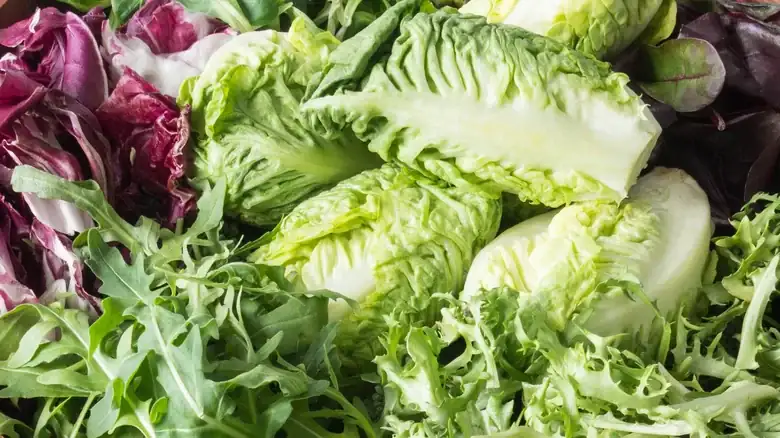
A cross between romaine and butterhead lettuce, Little Gem gets its name from it's tiny, compact size — the plant is literally a "little gem." Leaves from this lettuce mini-me are sweet, nutty, crisp, and refreshing. It can of course be used in salads, but because of its size, Little Gem leaves are also ideal to "cup" a wide variety of foods. You can easily use it to serve chicken or seafood salad. It's an ideal vehicle for taco fillings. Little Gem leaves are also perfect for housing small beef sliders or meatballs. It can even be used to make mini-breakfast wraps. Just fill the leaves with scrambled eggs, avocado, diced tomatoes and bacon or sausage. For an impressive party appetizer, use Little Gem leaves to make roast beef pinwheels. Simply spread horseradish cream cheese on a tortillas, add a layer of roast beef slices and some Little Gem lettuce leaves,
Lollo Rossa
Like frisée, the main distinguishing trait of Lollo Rossa lettuce is its delicate, intensely curled leaves. The plant is said to be named after the popular Italian actress Gina Lollobrigida who was active in the 1950s and 1960s and known for her short, tousled hairstyle. Because the leaves are so fragile and tender, Lollo Rossa lettuce is best used as an ingredient in other foods rather than as the star of the dish. It's incredible when tossed with thinly sliced grilled beef, shredded carrots, sliced cucumbers, and a sesame ginger dressing. Or, for an almost dessert-like salad to wrap up a meal, pair it with caramelized grilled peach halves, crumbled goat cheese, and a drizzle of honey-balsamic dressing. Alternately, try mixing a few handfuls of Lolla Rossa leaves with fresh blueberries, crumbled feta, and candied pecans. Then top with a honey-lime dressing. Sweet
Oak leaf
As you might guess, oak leaf lettuce gets its name in a pretty obvious way: Its leaves look like the leaves from an oak tree. This popular salad lettuce is widely available year-round and has the mild, slightly sweet flavor you expect from a great leafy green. But it's also delicate and a tad buttery, making it ideal for a wide variety of uses — especially in sandwiches. It's delicious with turkey and avocado, as the "L" in a BLT, topped with tuna salad between two slices of whole wheat bread, or paired with smoked salmon and cream cheese as a crustless bite-sized tea sandwich. Oak leaf lettuce is also a perfect lettuce to use in baking. You can mix thin slices of the lettuce with crumbled feta cheese and breadcrumbs to make a filling for roasted portobello mushroom caps. Or toss strips of an oak leaf with cooked quinoa, diced veggies, and herbs and use as a fillin
Mâche (AKA corn salad)
In general, mâche looks a lot like spinach but with smaller leaves, it bruises just as easily too. However, depending on the variety, the leaves have the potential to be more pointy. Either way, they feature prominent veining and range in color from bright to dark green. You've likely seen mâche (AKA corn salad) in restaurants as a garnish on various plates or as a bed of greens beneath a piece of meat. It has a tangy, nutty taste and a soft texture that make it perfect for pairing with any number of dishes. Plus, the succulent leaves make a great looking accent on any plate. Due to the veining on mâche leaves, it is able to hold quite a bit of oil or dressing, so it makes a mean salad. The tender leaves don't give you a ton of crunch, but you can remedy that by pairing it with a crispier green. For example, it shines in a radish, mâche, and arugula salad with a
Little Caesar
When you first hear the words Little Caesar together, you might smile and think of a cartoon man saying "Pizza pizza!" However, once you learn that it is the name of a particular type of lettuce, you'll still be glad to find out that it is aptly named. As the name suggests, Little Caesar lettuce is perfect for making Caesar salads. Think of Little Caesar like romaine lettuce, but smaller. One head is the ideal amount for two people to share. The exterior leaves are green but they become lighter in color as you approach the interior layers, again, similar to romaine. Thanks to the reduced size, Little Caesar plants are great for smaller gardens. In addition to Caesar salads, Little Caesar is perfect for any other kind of salad you can think of. It has a crisp texture, lots of crunch, and a subtle taste that won't overpower other ingredients. It could also be used
Dandelion greens
We all know what dandelion flowers are, but what many people don't know is that the leaves that grow alongside them are edible. That's right, those long, toothed leaves next to the flowers can actually be eaten, and they have a deliciously unique taste that can only be described as tangy and bitter. The larger, older leaves tend to be more bitter and potent, but the younger leaves are more tender and mild (just like the baby Jesus in that Christmas song). This doesn't mean you should start picking the leaves the next time you spot blossoming dandelion flowers though. Unfortunately, once you see blooms, the leaves are much more potent and the flavor is no longer ideal for consumption. Dandelion greens are delicious raw or cooked. They taste wonderful on sandwiches, in salads, or stirred into omelets. They can also be baked, wilted, or stir-fried, which opens up a w
Stem lettuce (AKA Celtuce)
Unlike all of the other lettuces on this list, the star of celtuce is the stem, not the leaves. In fact, that's why it is often referred to as stem lettuce. It is shaped like a thick green wand with wimpy little leaves on top, at least they look pretty pathetic compared to the hefty stem. Celtuce has a slightly nutty taste and some plants also have underlying notes of sunflower. Both the stem and the leaves are edible, but you rarely find anyone eating the leaves. Unfortunately, it isn't the easiest green to track down in the United States, but if you're lucky, you may be able to find it at an Asian grocery store or your local farmer's market. As noted, Celtuce is all about the honking stem. As a result, it is eaten more like a root vegetable than a lettuce. To enjoy this yummy vegetable, you start by peeling off the thick outer skin, often with a vegetable peeler.
Beet greens
Many people think you have to toss out the tops of beets, just like you do with carrot greens, but that simply isn't true. Not only are they edible, but they're packed with antioxidants, vitamins, and minerals, so they are super good for you, too. Beet greens have an earthy taste with a touch of sweetness, much like beets. They are somewhat mild overall and they have a tender texture that becomes even silkier when cooked. If you're one of those people who has been throwing away beet tops without a second thought, you should definitely reconsider. You might be surprised at how much you like them and just how much flavor they offer. Beet greens are flavorful enough by themselves that they taste great with just a bit of oil, raw or lightly sautéed. However, they also make an outstanding addition to countless recipes. You can stir-fry them with garlic, coconut oil, ginger