A Pie for The Pastry Dough Haters
In 1926, Monroe Boston Strause invented the chiffon pie.
The wholesale pie baker saw pie slipping in favor as advancements in home oven technology enabled bakers to make better cakes. He felt an urgent need to innovate what he believed to be the quintessentially American dessert. Tired of heavy cream pies, he utilized whipped egg whites to lighten a traditional custard into an airy, ethereal pie filling, paired with a crispy, buttery new type of crust made from graham crackers instead of traditional pastry.
Chiffon became a hit, and Strause became known as the “Pie King,” but it was his graham cracker crust that truly went down in baking history. Even as chiffon pies became a relic of vintage cookbooks, the graham cracker crust has never wavered, lining the bottoms of pans filled with cheesecakes and bars topped with pumpkin and key lime. It’s not hard to see why such an innovation has persisted in popularity.
While pie crust can be tricky for even experienced home bakers to execute, a graham cracker crust can be made with hardly any equipment or technique—making it perfect for those with pie crust anxiety or anyone baking with kids. Now is probably the right time to mention that I don’t like graham crackers—I never have. Others might have a nostalgic fondness for them, but even as a child, I found them disappointing.
A digestive goes well with cheese, but you can as well pick up chocolate-coated versions that produce incomparable s’mores. Both graham crackers and digestive biscuits were commercially produced for the first time in the late 19th century, and both went on to hold cultural significance.
Americans were enraged of late when Great British Baking Show judge Paul Hollywood showcased his ideal s’more made with digestive biscuits—a typical British adaptation of the classic American treat. The s’mores swap might be sacrilegious, but it’s no surprise that Brits make their Key lime pies and cheesecakes with a biscuit base instead of a graham cracker crust.
Some recipes call for baking the crust briefly to set it, while other recipes simply direct chilling the crust to solidify the butter. The only natural pairing for such a simple crust is an equally accessible filling.
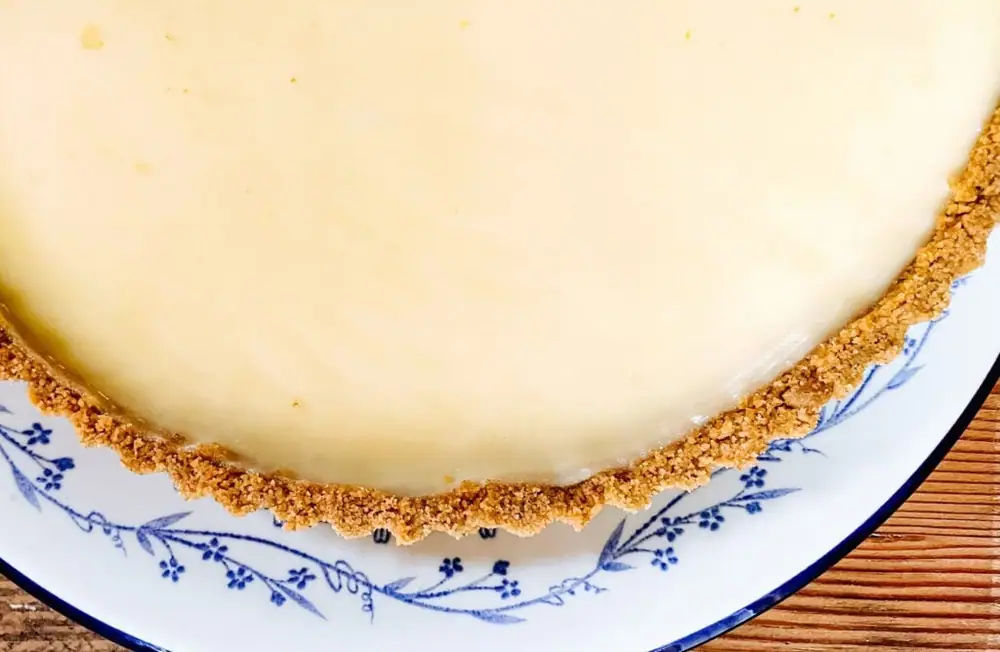
I rely on a classic English dessert called a posset—a mixture of only cream, sugar, and lemon juice that sets to a velvety smooth custard consistency. I keep it authentically English with a Digestive biscuit crust, but graham crackers or even ginger snaps would pair nicely.
It’s the easiest lemon tart you will ever make, and your guests will have no idea how easily it came together. Method: Easiest Lemon Tart with Digestive Crust
- Who: Monroe Boston Strause