In Veneto, a non-stuffed sausage is prepared (it was used to check the quality of the sausages)
We know a wide variety of sausages, salamis, and hams.
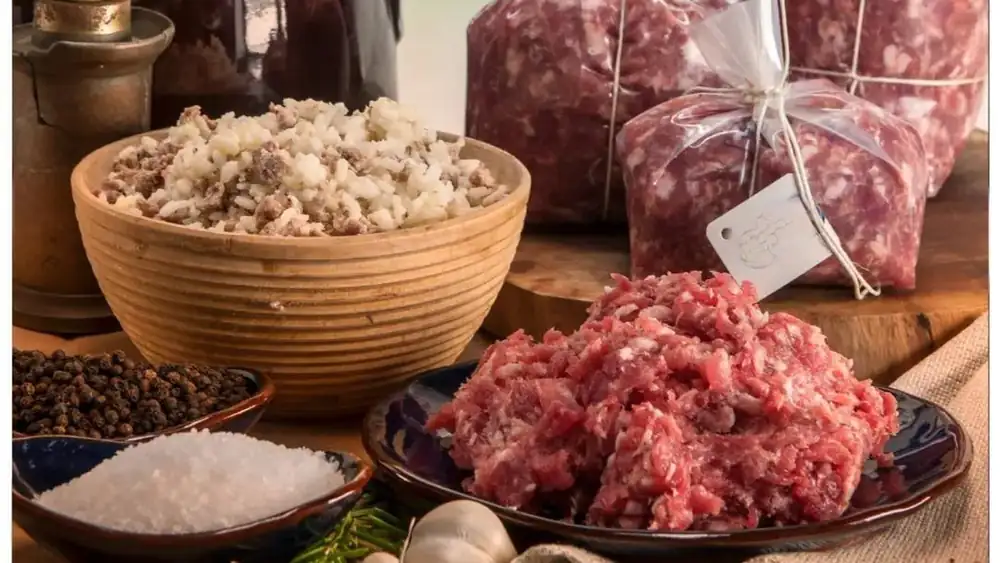
We know a wide variety of sausages, salamis, and hams. However, the repertoire of Italian charcuterie also includes specialties that don't fall into the more well-known categories, niche products that should be known even beyond their native region. Let's travel to Veneto, specifically to the Verona area, to discover Tastasal. At first glance, it looks like ground pork on the verge of being stuffed into casings to become sausage, but in reality, it's an independent ingredient, expressive of the local rural culture. Why is it special? It arose primarily from a technical rather than a gastronomic need.
The ancient gesture of "testing the salt"
Imagine it's one of the winter days traditionally dedicated to pig slaughter, both in Veneto and in many other regions. In this context, the pork butcher in charge had to ensure the meat was seasoned properly before being stuffed and cured. An error in the amount of salt or spices would have been irreparable and would have jeopardized the year's production. The term itself is clear: from "tastare," meaning to taste, and "sal," meaning, obviously, salt.
Before filling the casings, a handful of fresh dough was taken, quickly cooked in a pan, and tasted. This was enough to conduct a small quality test, which then became a preparation in itself, for which the best parts of the process were reserved.
Differences between Tastasal and classic sausages
As for the recipe, Tastasal is made with medium- or coarse-ground pork, primarily from cuts of shoulder, belly, and loin trimmings. The mixture is seasoned with salt, freshly ground black pepper, and—depending on family and regional preferences—a little minced garlic or nutmeg. The obvious difference from a sausage or salamella is (obviously) the absence of casing and the lack of even a brief curing period.
The product is best consumed fresh and within a few days of preparation, without drying out and retaining all its moisture and softness. These are the characteristics that make it incredibly versatile in the kitchen.
From the Pan to the Cookbook: How to Use It in the Kitchen
The most famous dish featuring this pork butcher's specialty is undoubtedly risotto col Tastasal. One of the symbols of Veronese cuisine, it involves shredding the meat and browning it in a sauce of butter and herbs, to accommodate the Vialone Nano Veronese PGI and complement the classic cooking with broth.
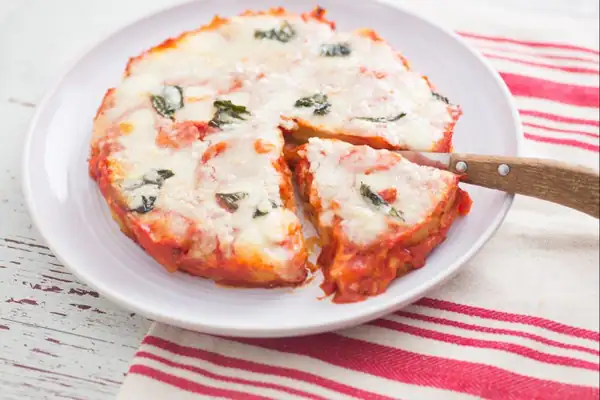
It can also be used to enrich potato gnocchi, make a ragù, stuff baked vegetables, lasagna, or simply sautéed, in this case as an accompaniment to polenta, another local staple. Today, some people even use it to make meatballs or patties for burgers. On average, Tastasal costs between €9 and €16 per kg. In Veneto, it can be found in supermarkets, almost all butchers, and even on some e-commerce sites.