It's not enough that it's autumnal: how to design a restaurant-quality dessert
From the raw ingredients to the structure of the dish: between seasonality in pastry making, textures, acidity, and service, dessert becomes a true part of the cuisine.
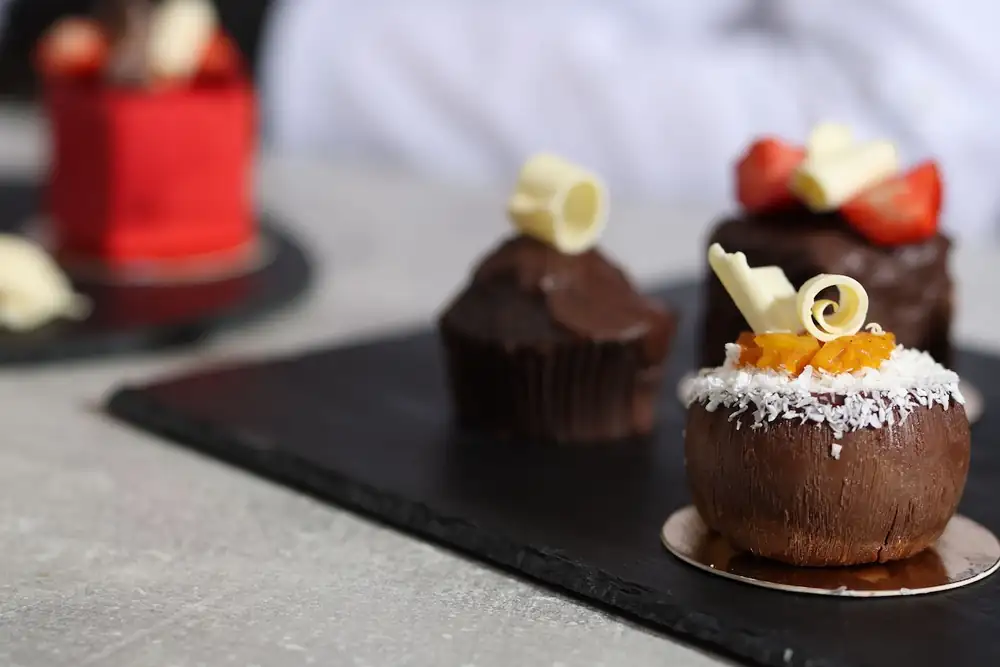
There's a very simple way to determine if a dessert was truly designed for the restaurant industry: try to imagine it during service on a Saturday night. If it requires twelve components, three different platings, and a raw material used only in that dish, perhaps the problem isn't the recipe. It's the project. In contemporary restaurants, dessert is increasingly less of a separate chapter from the rest of the menu. If desserts are made with the same raw materials as the kitchen, techniques and suppliers are often shared, and seasonality, serving times, storage, and costs are at stake. Pastry for restaurants, in fact, has specific characteristics: lightness, more controlled sugar content, express preparation, and a close connection to the gastronomic journey. So the question is no longer simply "What dessert can I make with pumpkin?" The question becomes: "What role can pumpkin play in a dessert?"
Start from the raw material, but don't stop at the raw material
Let's take a pear. It could simply be a pear cooked in wine. It's delicious, sure, but the work can go much further. The same pear can become a fresh element, a poached component, a gel, a sorbet, a sauce, or a crunchy component through a different process. At that point, we're no longer choosing an ingredient for a recipe. We're building a system of flavors and textures. This is an important difference. The raw material doesn't necessarily have to appear in all its forms, but it must have a specific function. A pear can add sweetness and juiciness. Hazelnuts can add roastedness and crunch. A lactic acid element can introduce acidity. Dark chocolate can add depth and a bitter component. The dessert begins to take shape even before it's plated.
Autumn doesn't mean heavy desserts
Pumpkin, chestnut, hazelnut, chocolate, caramel: these are perfect seasonal ingredients, but when used together, they risk creating a dish that says it all after two bites. Autumn, however, can also be expressed through freshness and contrast. A pomegranate can bring acidity. A green apple can lighten a hazelnut spread. Grapes can add juiciness and a less predictable fruity note. Kefir or yogurt can introduce a lactic and acidic component. Even must, carefully crafted, can become an interesting element in a dessert celebrating the transition from summer to autumn. Fruit, moreover, is taking on an increasingly transversal role in contemporary dining, appearing in tasting menus and even interacting with savory dishes and cocktails.
An ingredient can change completely with one cooking
In pastry making, raw materials are never a point of arrival. They're a starting point. The same ingredient can change profoundly depending on how it's cut, cooked, concentrated, acidified, or simply left to ripen. This means having many more tools at your disposal than a simple list of seasonal products suggests. Fresh apples and roasted apples don't tell the same story. The former brings acidity, crunch, and juiciness. The latter develops softness, concentration, and caramelized notes. The same goes for pumpkin. Raw pumpkin has a very different profile than roasted pumpkin. Cooking can concentrate the sugars and develop deeper notes, making it suitable for custards, ice creams, and plated desserts. Grapes can be used fresh, roasted, or transformed into must. Figs can be served fresh, caramelized, or made into compote. Seasonality, therefore, isn't just about which ingredient to use, but also how to treat it. This is where pastry technique becomes a gastronomic tool.
The contrast that saves the dessert
A good dessert doesn't necessarily have to have many ingredients. It must have clear contrasts. Take, for example: Fig + kefir + hazelnut. The fig brings sweetness and softness. The kefir introduces freshness and acidity. The hazelnut adds toasted and crunchy notes. Not much else is needed to create a sense of direction. Or: Pear + dark chocolate + long pepper. The pear is delicate and juicy, the chocolate adds bitterness and depth, the long pepper adds an aromatic component that finishes the flavor. Or: Pumpkin + coffee + cocoa. The pumpkin adds sweetness and a vegetal component, the coffee adds roasted notes, and the cocoa adds depth. These are combinations that work because each element has a purpose.
How many consistencies do you really need?
There's no rule that says a dessert must have six or eight elements. In fact, in many cases, it's the opposite. A dessert can be extremely interesting with three or four distinct textures: • creamy + crunchy + fresh or: • soft + ice cream + acidic element + crunchy. The useful question is: "What happens to the palate after the first bite?" If everything is creamy, there's no dynamics. If everything is crunchy, there's no depth. If everything is cold, thermal contrast may be lacking. If everything is sweet, after a few bites, the perception becomes flat. The pastry chef shouldn't fill the plate. He must construct a sequence.
Cooking and pastry making must talk to each other
One of the most attractive advantages of catering is the possibility of sharing raw materials and processes. This is already an approach used in contemporary experiences where pastry chefs and kitchen staff work from the same pantry, using different techniques. Syrups, gelatos, candyings, and fermentations can all start with the same ingredients used in savory dishes. Imagine a restaurant that uses a lot of pumpkin in October. The kitchen can roast it, while the pastry chef can use part of the pulp for a creamy sauce or gelato. Hazelnuts can be present in a first course and transformed into praline for dessert. Apples can accompany a meat dish and become a gel, sorbet, or a crunchy finish. The goal isn't to economize at all costs. It's to create gastronomic continuity.
The dessert must survive the service
This is where creativity must meet reality. A preparation can be perfect in the lab and completely unsuitable for service. Before adding it to the menu, you should test: • stability: how long does it maintain its structure and temperature? • storage: how does it change after 24, 48, or 72 hours? • plating: how long does each portion take? • replicability: can it be made the same way by the entire team? • waste: how much raw material is actually used? • versatility: can a preparation also be used for other desserts or for small pastries? These are technical questions, but they have a direct impact on the quality perceived by the customer.
Even dessert must have an identity
A seasonal dish doesn't have to feel like a collage of autumnal produce. Apple, pumpkin, chestnut, and cinnamon don't automatically become an interesting dessert just because they're seasonal. It's better to choose a direction. For example, an apple can be interpreted through roasting and acidity: roasted apple, hazelnut, kefir. A pear can be interpreted through bitterness and spiciness: poached pear, dark chocolate, long pepper. Pumpkin can lean toward roasting and coffee: roasted pumpkin, coffee cream, cocoa. Grapes can become a fresher dessert: grapes, ricotta, aromatic herbs, and a crunchy component. These aren't recipes to be replicated to the letter. They're design directions.
Dessert as the last course, not as a "sweet moment"
Finally, there's an aspect that's often overlooked. Dessert arrives after the diner has already eaten. This means it can't be designed as if it were the first course on the menu. After a menu rich in fats, stocks, meats, and cheeses, greater freshness is likely needed. After a menu heavily plant-based, you can instead focus on roasting and depth. Dessert must therefore reflect what has come before. This is also why some restaurants are developing desserts that are increasingly in line with the logic of cooking: less sugar, more plant-based ingredients, fermentation, savory elements, spices, and alternating temperatures and textures.
Real design begins when you take something away.
Ultimately, designing a dessert also means deciding what to leave out. A missing ingredient can make room for a previously unnoticeable acidity. A sauce removed can make the fruit more distinct. An overly sweet crumble can be replaced with toasted nuts. A very rich cream can give way to a fresher, lactic element. A contemporary dessert doesn't necessarily need more elements. It needs elements that have a purpose. And perhaps this is precisely the difference between an autumnal recipe and a dessert designed for the restaurant industry: in the former, the starting point is the ingredients; in the latter, the starting point is what you want the customer to experience, from the first bite to the last.