Homemade tomato preserves, just like grandmas used to make
Ripe tomatoes, glass jars, and a few precise steps: making tomato preserves at home means rediscovering one of our most beloved kitchen traditions, while paying particular attention to proper container sterilization and the necessary rules for safe preservation.
Late summer has always been a time when tomatoes are abundant and become the star of homemade preserves. Preparing them for the following months allows you to rediscover their flavor even when the season is long gone. Homemade tomato preserves require very simple ingredients, but they shouldn't be approached superficially: when making homemade preserves, it's essential to work with clean utensils, use undamaged jars, and scrupulously follow official food safety guidelines.
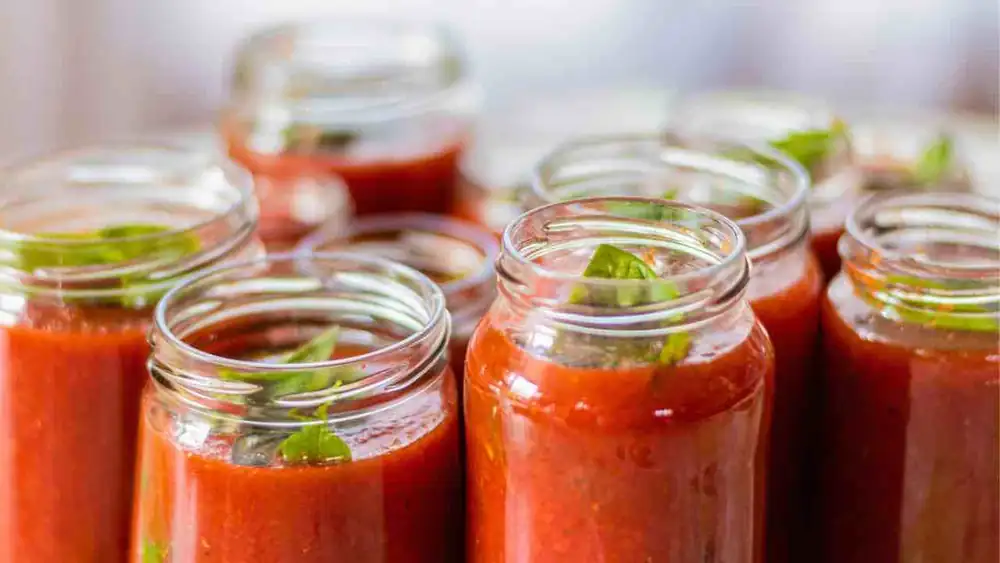
The recipe begins with choosing the tomatoes, which must be ripe, healthy, and free of any damaged or moldy parts. After washing, they are cut and cooked, then transformed into a puree with a more or less rustic consistency, depending on your preference. Then comes the most delicate step: jarring and heat treatment. For safe homemade tomato preserves, it's essential to follow proper pasteurization procedures, without relying solely on oral traditions. Times and methods must comply with official guidelines for home canning.
Step-by-step process for tomato preserves
- Start by carefully selecting the tomatoes. Discard any that are bruised, spoiled, or have traces of mold. Wash them thoroughly under running water and remove the stems and any imperfections.
- Also thoroughly wash your work surface, hands, and all utensils that will come into contact with tomatoes. Hygiene during the process of preserving is essential and should not be overlooked.
- Chop the tomatoes and transfer them to a large pot. Cook until soft and have released some of their moisture, stirring occasionally to prevent them from sticking to the bottom.
- Pass the cooked tomatoes through a food mill, separating the skins and seeds from the pulp. Collect the resulting puree in a perfectly clean container.
- Prepare the jars using only intact glass containers, free from chips or cracks. For caps and lids, follow the manufacturer's instructions and use new closures when required.
- Fill the jars following the safety instructions for this type of preserve and respecting the required space at the top. Thoroughly clean the rims before applying the lids.
- Close the jars without overtightening the lids. For any additions, acidification, quantities, and filling methods, follow the updated guidelines of the Ministry of Health or the National Reference Center for Botulism of the Istituto Superiore di Sanità.
- Proceed with pasteurization using a suitable pan and strictly adhering to the times, temperatures, and methods indicated by the official guidelines for the size of the containers used. Do not shorten the process or replace it with unvalidated home methods.
- Once the treatment is complete, let the jars cool according to the instructions and check that they have been sealed properly. A jar that hasn't formed a vacuum should not be stored in the pantry as a normal preserve.
- Label the jars indicating at least the contents and the preparation date, then store them in the conditions recommended by the official instructions, away from heat sources and direct light.
- Always check the container before consumption. Don't try suspect preserves: if the cap is swollen, the vacuum seal is missing, you notice leaks, abnormal bubbles, unusual odors, or any other sign of alteration, the product should not be consumed.
Preserving tomatoes at home retains all the charm of the days spent in our grandmothers' kitchens, when large quantities of tomatoes were processed to fill the pantry. Today, we can continue this tradition with the same satisfaction, combining family memories with modern knowledge of food safety. Quality raw materials, meticulous cleanliness, and above all, compliance with official home canning procedures are the essential ingredients for preserving the flavor of tomatoes in jars and enjoying them for months to come.