
Pan pizza like the one from the pizzeria next door
Thick, soft on the inside, well-cooked underneath, and with an elastic crust: homemade pan pizza can be just as delicious as a freshly baked pizza from a pizzeria. The secret lies in preparing the dough carefully, respecting the rising process, and baking it at the right temperature.
Thick, soft on the inside, well-cooked underneath, and with an elastic crust: homemade pan pizza can be just as delicious as a freshly baked pizza from a pizzeria. The secret lies in preparing the dough carefully, respecting the rising process, and baking it at the right temperature.
Pizza is a classic for casual dining, but achieving a truly delicious result in your home oven requires some attention. To make a soft and flavorful pizza like you'd find at a pizzeria, it's important to start with a well-hydrated dough and allow it to rise. Stretching the dough should also be done gently: working it too forcefully after it has risen can compromise its softness.
Another crucial step is baking. The oven must be very hot when you put the pan in, and the toppings should be evenly distributed so they aren't too heavy. Tomato and mozzarella are the most classic combination, but this base can be customized with vegetables, cured meats, cheeses, or other ingredients. In just a few steps, you can prepare a soft, aromatic, and flavorful homemade pizza that you can cut into slices and serve directly in the center of the table.
Ingredients for making pizza in a pan
- 500g of pizza flour
- approximately 400 ml of water
- 7 g of dried brewer's yeast
- 1 teaspoon of sugar
- 10 g of salt
- 2 tablespoons of extra virgin olive oil
- Salt to taste
- Oregano or basil to taste
Step-by-step procedure for making a pan pizza like in a pizzeria.
- Pour the room temperature water into a large bowl and add the dried yeast and sugar. Stir to distribute evenly.
- Start adding the flour gradually, initially mixing with a fork or spoon. Add it slowly to make it easier to achieve a smooth batter.
- Once the dough has a firm consistency, add the salt and then the extra virgin olive oil. Continue kneading until all the ingredients are well combined. The dough may be quite soft; you don't need to add more flour to make it firm.
- Cover the bowl with plastic wrap or a clean cloth and let the dough rise in a warm place until it has doubled in size. The rising time may vary depending on the temperature of your kitchen.
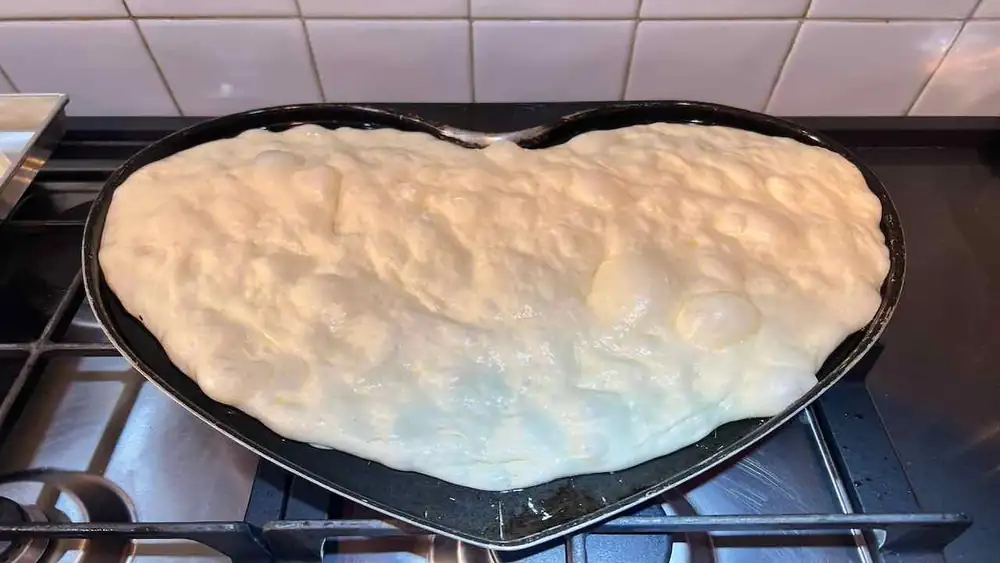
- Grease a baking tray well with extra virgin olive oil. Pour the risen dough into the tray and begin to spread it gently with your lightly oiled fingertips.
- If the dough tends to shrink when you roll it out, let it rest for a few minutes and then continue. Avoid pressing it too hard: the goal is to distribute the dough while preserving the air created during rising.
- Let the pizza rest directly on the tray while you preheat the oven to the maximum temperature allowed by your appliance, preferably between 230 and 250 °C.
- Season the tomato puree with salt and a drizzle of oil, then spread it over the pizza, leaving only the edges uncovered. Don't use too much, as this will make the dough too soggy.
- Place the tray in the lower third of the preheated oven. This initial step helps ensure a well-cooked base and a soft crust. Keep an eye on the pizza while it cooks, as cooking times and temperatures can vary considerably from oven to oven.
- When the dough is almost ready, add the well-drained and chopped mozzarella. If necessary, move the tray to the center of the oven and continue baking until the cheese has completely melted and the edges are golden brown.
- Remove the pizza from the oven and drizzle with extra virgin olive oil and, if desired, sprinkle with oregano or a few fresh basil leaves. Let it cool for a couple of minutes before cutting.
Served while still hot, this pizza captivates with the contrast between its perfectly cooked crust, soft interior, and chewy toppings. To achieve a pizza similar to the one you find at your local pizzeria, three key aspects are crucial: proper fermentation, gentle kneading, and a very hot oven. Once you master the basics, you can vary the toppings each time and prepare multiple flavors in the same pan, transforming a simple dinner at home into an authentic pizza dinner.