How to Use Banana Peels on Plants Without Making Mistakes
We eat a banana and the peel ends up directly in the compost.
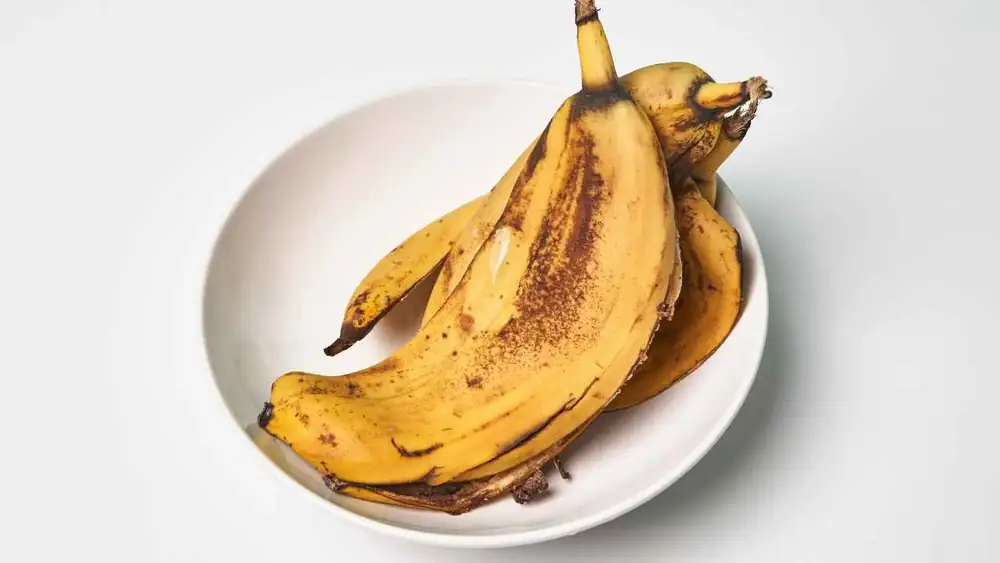
Banana peels contain organic matter and various minerals, including potassium. This is where the idea of using them as a natural fertilizer comes from. But can we really put a banana peel directly in the pot?
Technically, it will decompose, but that doesn't mean it's the best method. Leaving large pieces of peel on the soil can create unpleasant odors and attract flies or other pests, especially in potted plants indoors.
How to Really Use Banana Peels for Plants
If you have a compost bin, the simplest way is to add banana peels to the compost along with other organic materials, maintaining the right balance between wet and dry materials. Over time, they will become part of the compost that you can use to improve the soil.
We can also cut them into smaller pieces before adding them to the compost: by increasing the exposed surface area, we will facilitate the decomposition process.
The situation is different with peels buried directly in pots. Decomposition takes time, and nutrients aren't immediately available to the roots. Furthermore, continually adding non-composted organic material to a small pot can create an unmanageable environment.
Beware of banana water
Another remedy that has become very popular consists of leaving the peels in water for a few days and then using the liquid to water the plants.
This preparation, however, doesn't allow us to know which nutrients have actually passed into the water, and especially in what quantities. Leaving plant material immersed for a long time can also promote fermentation and unpleasant odors. Therefore, we can't consider banana water a complete fertilizer.
Plants require different nutrients, and their needs vary depending on the species, soil, and time of year. A banana peel can't automatically replace a properly formulated fertilizer when it's needed.
If we truly want to recover it, then compost remains one of the simplest and most sensible ways. Instead of turning every peel into an improvised fertilizer, let it decompose in the right place: time will return it to our plants in a much more useful form.