Sleep better with herbal tea: what a tea connoisseur doesn't tell you on the label
After years of tasting and experience, Gerald van Wattum, owner of the tea shop TeaKing, sees the same mistakes time and again: the wrong herb for the wrong sleep problem, herbs of unknown origin, herbs that have lost their effectiveness, and an incorrect brewing method that often prevents the herb from being utilized optimally.
Relaxing and sleep-inducing are not the same thing.
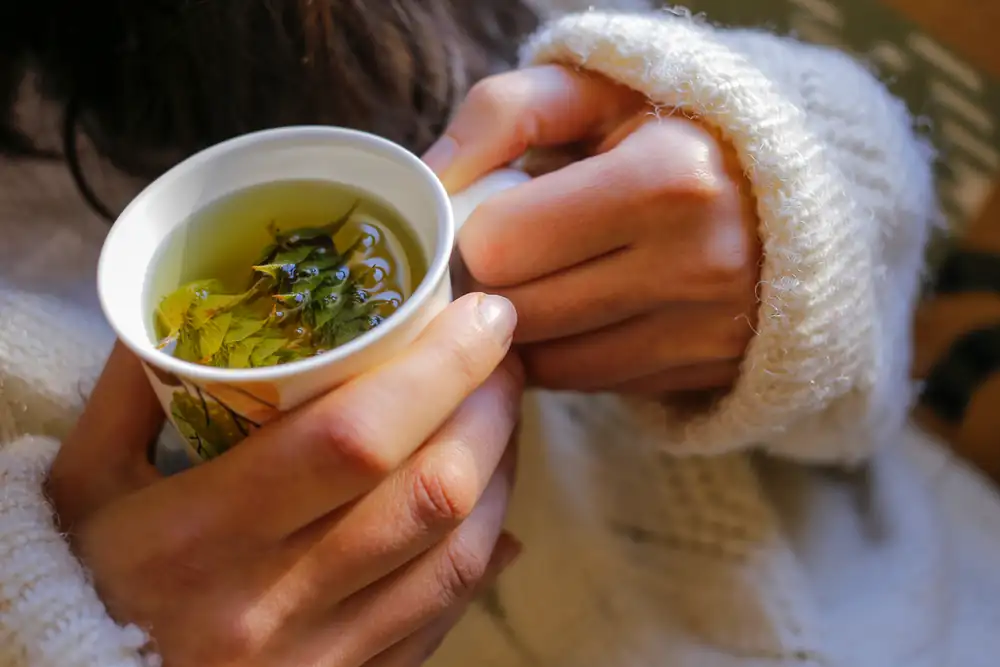
A common mistake when blending "soothing" herbal tea is lumping all herbs together. In fact, each herb has its own distinct effect. Valerian root and hops have traditionally been associated with drowsiness and are suitable if you have trouble falling asleep. Chamomile, lemon balm, and lavender tend to have a calming effect on restlessness and racing thoughts, and are better for lying awake due to stress than due to pure insomnia. Oats (Avena sativa) have traditionally been used as a mild, restorative herb for people who suffer from chronically restless sleep. You often see cheaper blends containing all kinds of herbs, none of which you can really taste properly. If it is also a ready-made tea bag rather than fresh loose tea, the effect is often less effective. If you are unsure which herb suits the situation, it is a good idea to compare the different varieties within the range of soothing herbal teas before making a choice. Someone who often lies awake at night worrying benefits from something different than someone who simply cannot fall asleep. Have you been sleeping poorly for weeks? In that case, you are often better off with a mild herb like oats than with a heavy herb for one night.
Why origin matters
Not all valerian root is the same. The concentration of active ingredients depends on the soil, harvest time, and drying method. An early-harvested root generally contains less than a root harvested at the right time. Similarly, TeaKing observes differences in color and potency among the specific herb's countries of origin. Therefore, TeaKing chooses herbs with an origin that can be verified with the supplier, rather than the cheapest available batch.
Freshness determines more than the herb itself.
The recipe makes less difference than you might think. The age of the herb matters all the more. The volatile oils that give chamomile and lemon balm their properties and fragrance evaporate within a few months if the herb is not stored in a dark, airtight container. You can recognize fresh herbs by a distinct aroma upon opening the packaging and a vibrant color. Are the herbs dull or grayish in color? Then the herb has passed its prime, regardless of what the label promises. In this organic sleep tea, TeaKing consciously selects for the freshness and origin of the herbs.
Saving: the most underestimated step
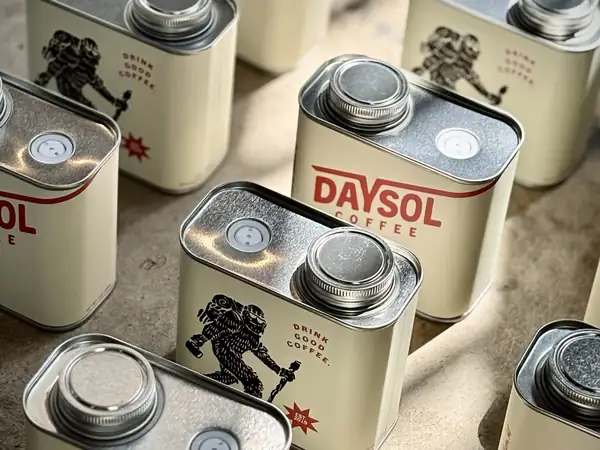
Store herbal tea in a sealed, light-proof jar or tin in a cool place, and preferably use it within twelve months of purchase. If you place it in a transparent container and put it in a place where light, heat, and moisture come together, it will quickly lose its active oils. Do you smell nothing when you open it? Then the effect is gone, regardless of what quality stamp is on the label.