Big Pizza might be having a problem. But emerging pizza brands are riding a wave of growth
Big chain pizza seems to be having a problem. The segment is struggling to turn around an ongoing sales slide.
“I’m very passionate and always trying to improve and become the best pizzeria. That drives me, as the owner, to always be creative and always try to come up with a better product.”
Meanwhile, small regional players appear to be on fire, gleefully capturing market share from Big Pizza.
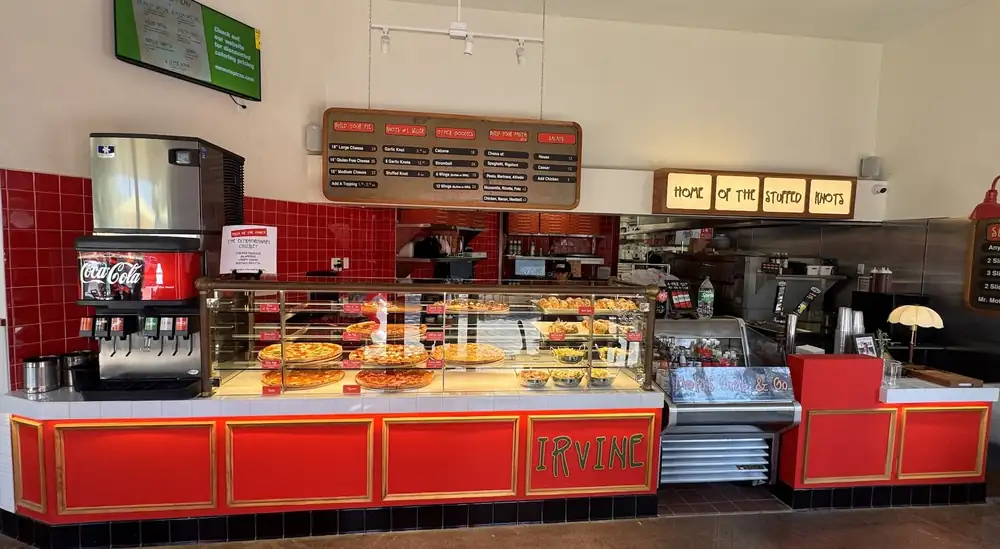
Consider the story of Mr. Moto, a brand created by Gibran Fernandez in San Diego, which has grown to 11 units over the past 11 years. Seven are in San Diego, and four have opened over the course of just 11 months in Orange County, just south of Los Angeles.
Number 12 is coming in 2028 to San Diego International Airport (the first licensed location), and Fernandez is quite happy to continue growing the entirely company-owned chain in Southern California until it reaches 20 to 30 units. At that point, he’d like to sell to private equity or another buyer, he said. But that’s down the road a piece.
Or maybe Fernandez became Mr. Moto, depending on how you look at it.
The brand is not a reference to the John P. Marquand novel about a Japanese secret agent (and master of disguise) called Mr. Moto. It’s also not a reference to the Peter Lorre film inspired by the novel.
Fernandez said it all started when he bought a pizzeria called Pizza on Pearl in San Diego with his uncle about 15 years ago. Roughly five years in, Fernandez had the opportunity to take over another pizza restaurant (Amore) and this time he wanted to create something all new of his own.
Initially, he planned to call it Motorino Pizza (motorino means moped in Italian), which would have conveyed the delivery aspect of the business, he said. But then he learned of another pizza concept by that name, so it was shortened to Mr. Moto.
The character designed for the logo is meant to look like an Italian pizzaiolo, with a big mustache and sideburns. So Fernandez grew the big mustache and sideburns.
He also played Mr. Moto in a series of quirky social media videos, which helped create brand awareness in the early days, he said. Some of them were quite weird, but they captured attention.
Lately, however, Mr. Moto has turned down the weird a bit and focused more on the food and concept. The mustache and sideburns are gone (at least, on Fernandez) and he is taking a “less gimmicky” approach to building the brand, he said.
Fernandez has no culinary training, but, he said, “I’m very passionate and always trying to improve and become the best pizzeria. That drives me, as the owner, to always be creative and always try to come up with a better product.”
Mr. Moto is described as loosely New York-style pizza, with dough that has been proofed over 48 hours, so it’s “fluffy and airy.” The menu is split between “red pies” (with tomato sauce) and “white pies” (without).
There are loads of toppings — from fresh burrata to truffle oil — with a rotating pizza of the month (this month it’s The Extraordinary Chicklet with applewood-smoked chicken sausage, jalapenos, crispy onion and buffalo ricotta).
The chain does a brisk by-the-slice business and whole pies average about $25. Fernandez said the brand goes a little crazy with the garnishes and drizzles, which are added after the slice is reheated to keep flavors fresh.
Everything is made in house, even the ranch dressing. (“We are on the Top 10 list of best ranch in San Diego,” said Fernandez.)
Mr. Moto has also gained quite a following for its Stuffed Knots, which are dough knots generously filled with cheese and other things and dosed in garlic butter. “It’s an explosion of flavor,” said Fernandez.
Units are small, roughly 1,000-square feet, with seating for less than 20, generally. Most business is for delivery or to-go, Fernandez said.
For a minute, Mr. Moto was franchising and units opened in Arizona and Las Vegas, but they have since closed.
Now Fernandez said franchising is no longer being considered. His existing units are all self-funded.
Same-store sales have grown about 5% to 7% since last October, and Fernandez is pleased to see brand awareness growing.
“We’re always trying to show that we’re the best and we’re different, not only in our branding and interior designs, but obviously in our pizza,” he said.