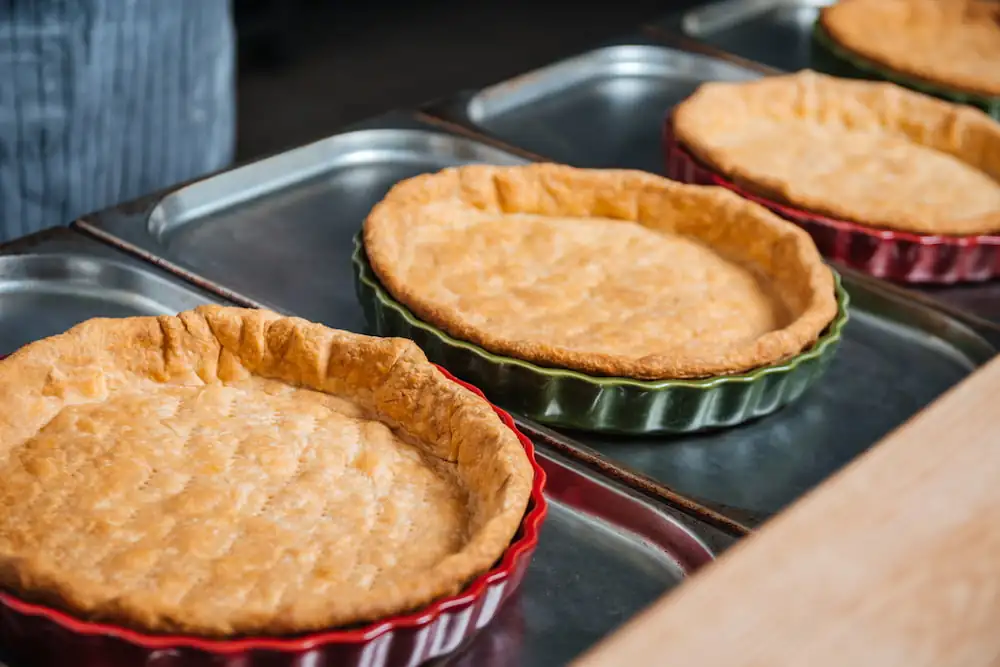
Masa quebrada casera: una guía completa para tartas y quiches
La masa quebrada es una de esas preparaciones que parecen intimidantes, pero en realidad es la base de innumerables recetas espectaculares.
- 250g of plain wheat flour
- 125g of cold butter, cut into cubes
- 1 egg
- 1 teaspoon of salt
- 3-4 tablespoons of ice water
- Step by step for a perfect shortcrust pastry
- To prepare the crumb topping: Place the flour and salt in a large bowl. Add the cold, cubed butter and work it in with your fingertips or a pastry scraper, crumbling the butter until you obtain a coarse, sandy texture. Do this step quickly to prevent the butter from melting.
- Incorporate the liquids: Make a well in the center and add the lightly beaten egg. Mix with a spatula or fork without kneading.
- To combine the dough: Add the ice water, one tablespoon at a time, and continue mixing until the dough begins to come together. Do not knead. Simply press the ingredients together to form a ball.
- The milling: On the counter, push the dough with the palm of your hand a couple of times. This technique, called "milling," helps to fully incorporate the butter without developing the gluten.
- Chill: Shape the dough into a flat disc, wrap it in plastic wrap, and refrigerate for at least one hour. This step is essential for the dough to relax and the butter to solidify again.
- Roll out and line: After the resting time, roll out the dough on a lightly floured surface or on parchment paper until it is the size of the pan. Line the pan, prick the base with a fork, and place in the freezer for 15 minutes before baking.
- Blind baking: For a crispier crust, pre-baking is recommended. Cover the dough with aluminum foil and place weights on top (such as chickpeas or beans). Bake at 180°C (350°F) for 15 minutes. Then, remove the foil and weights and bake for another 5 minutes, until the crust is lightly golden.
Shortcrust pastry is one of those preparations that seems intimidating, but it's actually the foundation of countless spectacular recipes. It's the undisputed champion for tarts, quiches, and all kinds of crispy crusts. Today, we reveal all the secrets to mastering it.
This dough, also known as shortcrust pastry, is a classic preparation of French cuisine that has won a place in the hearts (and kitchens) of the world.
The great thing about shortcrust pastry is its versatility. With a few minor adjustments, it can be a perfect base for both sweet and savory recipes.
About the homemade shortcrust pastry recipe
The magic of shortcrust pastry lies in its texture: it's firm, slightly flaky, and melts in your mouth. Unlike other pastry types, such as puff pastry, it doesn't aim to rise in layers, but rather to offer a solid, buttery structure that can hold any filling without becoming soggy.
The secret lies in using cold butter and not overworking it. The goal is to leave small pieces of butter not fully incorporated into the flour. These pieces, as they melt in the oven, create tiny steam bubbles that give the dough its characteristic crumbly texture.
This dough is ideal for those starting out in the world of homemade dough. It doesn't require yeast or long kneading times. Plus, it can be prepared in advance and stored in the refrigerator or even frozen. If you're interested in the world of dough, you can also check out how to make homemade pizza dough—it's a surefire way to learn.
Characteristics of a good shortcrust pastry for a tart
- Texture: It should be sandy and brittle when bitten, never rubbery.
- Flavor: A delicate buttery taste that complements both sweet and savory fillings.
- Color: A uniform and appetizing golden color after cooking.
- Structure: Strong enough to hold wet fillings without falling apart.
Types of shortcrust pastry: sweet, savory, and wholemeal
One of the great advantages of this shortcrust pastry recipe is its adaptability. The base is always the same, but with small changes it is completely transformed.
Sweet shortcrust pastry for tarts and desserts (PÂTE SUCRÉE)
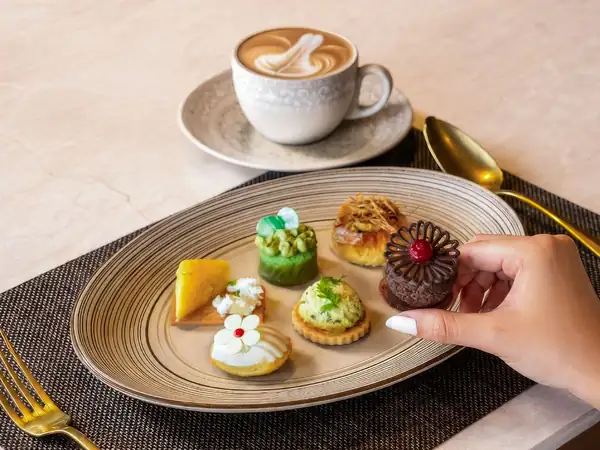
For desserts like apple tarts with shortcrust pastry or fruit tarts, simply add sugar to the mixture. Sometimes, an egg yolk is also incorporated to give it more color and a slightly denser, finer texture. It's the perfect base for any sweet treat.
Savory shortcrust pastry for quiches and dinner recipes
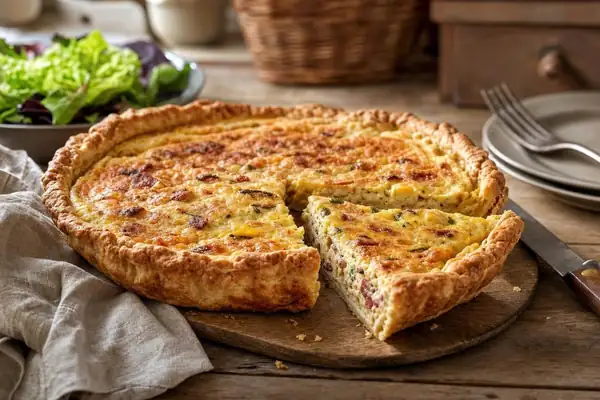
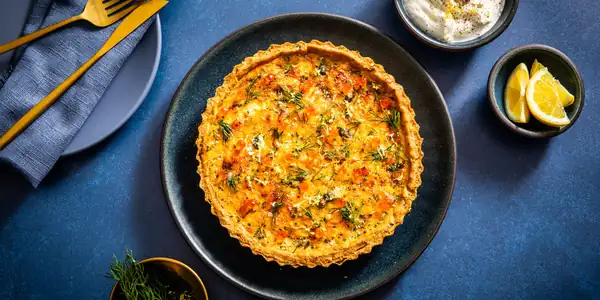
This is the classic version for quiches, vegetable tarts, or pie-style pastries. The recipe detailed below is for the savory base. You can enhance its flavor by adding dried herbs, grated cheese, or spices to the flour. It's such a versatile base that it works for almost any savory tart crust.
Recipes with shortcrust pastry: sweet and savory ideas
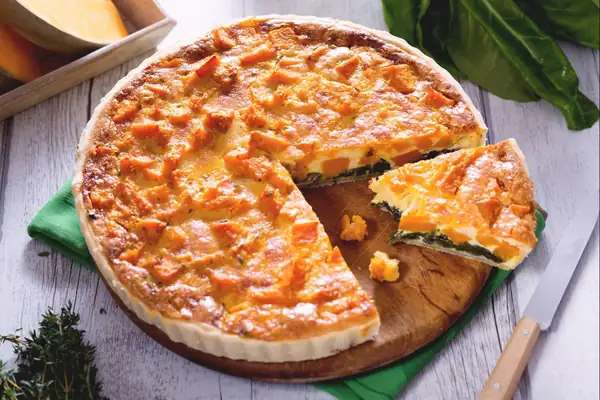
Now that you've mastered the technique, the possibilities are endless. This dough is a neutral base that practically begs for creative fillings. You can use it for a seasonal vegetable tart, a classic quiche Lorraine, or even to make Galician-style empanadas.
For dough lovers, exploring different types is a great plan. For example, empanada dough has its own secrets and is perfect for other types of preparations.
4 Practical Tips for Working with Shortcrust Pastry Without Mistakes
- Cold ingredients: This is rule number one. If it's very warm, you can chill the flour in the refrigerator for a few minutes before starting. All ingredients (flour, butter) and even the utensils should be very cold. This ensures a crumbly dough, not a tough one.
- Do not knead: Shortcrust pastry comes together, it is not kneaded. Kneading develops the gluten and the result will be an elastic and firm dough, not a crumbly one.
- Respect the resting time: The time spent in the refrigerator is non-negotiable. It allows the dough to be much easier to roll out and to maintain its shape in the oven.
- Blind baking: Pre-cooking the base before adding the filling prevents it from getting soggy and ensures a crispy base.
And that's it! With this complete guide, making shortcrust pastry at home is guaranteed to be a success. A fundamental recipe that opens the door to a world of delicious creations.
Homemade shortcrust pastry recipe (savory version)
Yields: 1 x 24cm tart (base and top) Preparation time: 20 minutes Resting time: 1 hour Cooking time: 15-20 minutes (pre-cooking)
What is the difference between shortcrust pastry and puff pastry?
The main difference lies in the texture and preparation. Shortcrust pastry is compact and crumbly, with the butter incorporated in small pieces. Puff pastry is made with thin layers of dough and butter layered on top of each other, which causes it to puff up and separate into sheets when baked.
And what about shortcrust pastry and shortcrust pastry?
They're close cousins. Shortcrust pastry ("sandy" in French) usually contains more sugar and butter, and is often made with egg yolks. The result is an even more delicate and crumbly dough, ideal for cookies or very thin tart bases.
Can you make shortcrust pastry without butter?
Yes, you can substitute cold margarine or even oil, although the texture and flavor will change. With oil, you get a pastry more similar to shortcrust pastry, less crumbly but equally functional.