Parsnip: what it is, how to use it and why it deserves a place in your kitchen
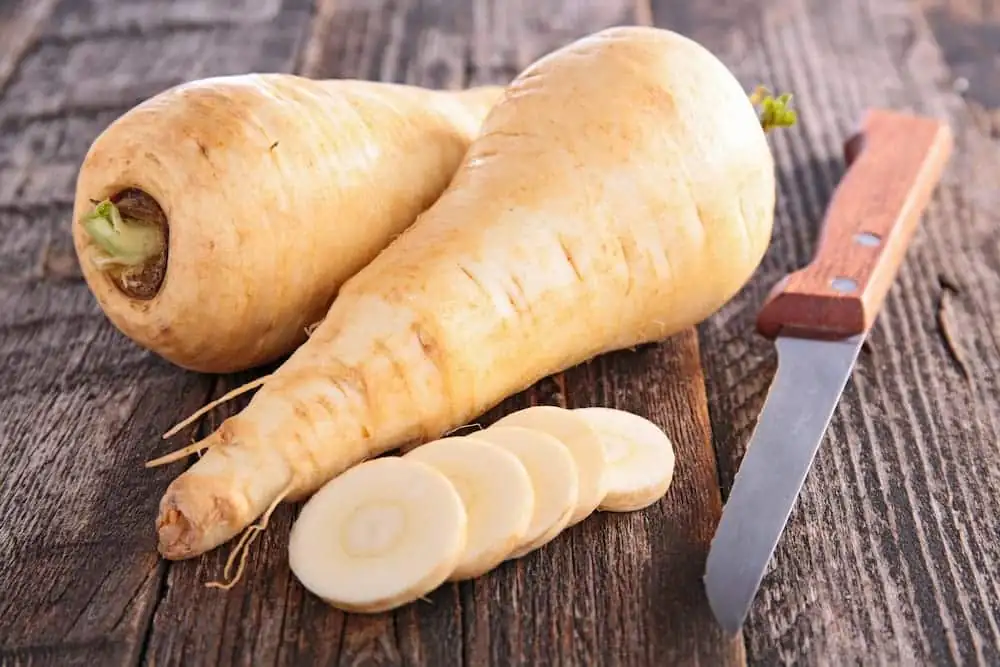
You've probably seen parsnips in the supermarket, that kind of pale, mysterious-looking carrot that's usually next to the turnips and celery.
- 500 g of chillies
- 1 large leek (white part only)
- 1 medium potato
- 1 small onion
- 2 tablespoons of olive oil
- 1 liter of vegetable or chicken broth
- 100 ml of liquid cooking cream (optional, to make it creamier)
- Salt and pepper to taste
- Nutmeg (optional)
- How to make parsnip cream step by step
- Prepare the vegetables: Peel the parsnips and potato, and cut them into small dice. Clean the leek and onion well and chop them finely.
- To make the sofrito: In a large pot, heat the olive oil over medium heat. Add the onion and leek and sauté for about 5-7 minutes, until tender and translucent, without browning.
- Add the remaining vegetables: Add the parsnip and potato to the pot. Stir well and cook everything together for about 5-10 minutes so the flavors blend and the vegetables soften.
- Add the liquid and cook: Cover the vegetables with the stock. Bring to a boil, then reduce the heat and simmer for about 20-25 minutes, or until the vegetables are very tender.
- To blend the cream: Remove the pot from the heat. Using an immersion blender, blend everything until you obtain a smooth, lump-free cream. For an even silkier texture, you can pass it through a fine sieve.
- The final touch: Return the cream to low heat. If desired, add the heavy cream at this stage and stir. Heat for a couple of minutes without letting it boil. Adjust the seasoning with salt and pepper, and add a pinch of nutmeg if using.
Many people buy it almost automatically to add to their stews, but have you ever wondered what it actually is and what else you can do with it? Today, we're giving this versatile and delicious vegetable its due.
The parsnip, also known as the scorpion, is much more than just a "broth ingredient." It's a root vegetable with a unique, slightly sweet, aniseed flavor and an earthy touch that makes it a true culinary gem.
If you've never given it a leading role in your kitchen, now's the time.
About Parsnip
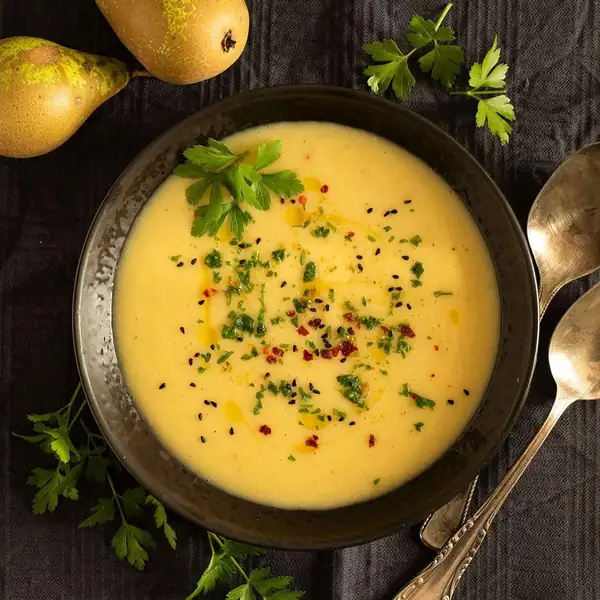
To begin exploring the world of parsnips, there's nothing better than a recipe that highlights all their flavor in a simple and elegant way. That's why today's star recipe is a parsnip cream soup.
It's a comforting dish, easy to make and perfect for a light dinner or as a starter to surprise anyone.
This cream is not only delicious, but it's also a fantastic way to incorporate the benefits of this vegetable. Plus, its sweet flavor makes it irresistible.
It's a basic recipe that will open the door to endless possibilities, very similar in versatility to a classic Paraguayan soup recipe, which also surprises with its texture.
How to choose, store and prepare parsnips
Before we head into the kitchen, it's essential to know a few tricks to get the most out of parsnips. With these tips, you can be sure your dishes will always turn out perfectly.
- How to choose them: Look for parsnips that are firm and small to medium in size. Larger ones tend to have a woody core and a more fibrous texture. The skin should be a uniform cream color, without blemishes or bruises.
- How to store it: It keeps very well in the refrigerator. Ideally, store it in a perforated plastic bag in the vegetable drawer. This way it can stay fresh for a couple of weeks.
- What to do with the skin: Although the skin is edible, it's best to peel it to avoid an overly earthy flavor, especially in creamy dishes. Peel it just like a carrot, using a simple vegetable peeler.
- The woody core: If you notice the center is darker and harder when you cut it, it's best to remove it. Simply cut the parsnip lengthwise into quarters and remove the core with a knife.
Parsnip: What does it taste like? Its texture and uses in everyday cooking
One of the most common questions is: what does parsnip taste like? Its flavor is complex, but delicious. It could be described as a mix between carrot and celery, but with sweeter, aniseed notes and a hint of nuttiness.
When cooked, its sweetness intensifies, similar to what happens with pumpkin or sweet potato.
- Flavor: Sweet, aniseed, slightly spicy and earthy.
- Aroma: Very aromatic, reminiscent of a mixture of celery, parsley and anise.
- Texture: Raw it is crunchy, similar to a carrot. Cooked, it becomes very tender and creamy, ideal for purées and creams.
- Versatility: It can be roasted, boiled, fried, steamed, or, of course, used in soups and stews. Its ability to transform is similar to that of potatoes in a good Malaga-style gazpachuelo.
Recipes with parsnips: quick and practical alternatives
While cream is a fantastic option, the possibilities for parsnips don't end there. Here are some other ideas for you to experiment with in the kitchen:
- Roasted parsnips: Cut into sticks, drizzled with olive oil, salt, pepper, and your favorite herbs (thyme or rosemary are great). Bake until golden brown and caramelized. They make a spectacular side dish.
- In stews and casseroles: It adds a sweet and deep flavor to any meat or legume stew. It works wonderfully in slow-cooked dishes.
- Parsnip chips: Sliced very thinly and baked or fried until crispy. A healthy and addictive snack.
- Parsnip puree: Cooked and mashed, it's a delicious alternative to classic mashed potatoes. It can be mixed with potatoes or made on its own for a richer flavor, similar to adding body to chestnut soup.
Now, let's get to the recipe for a parsnip cream that will make you see this vegetable in a whole new light. It's a simple preparation that doesn't require any unusual ingredients, and the result is restaurant-quality.
If you like this recipe, check out more ideas on Instagram and YouTube, where new recipes are added every week.
Parsnip Cream Recipe
- Serving: Serve the hot cream, decorated with a drizzle of olive oil, some croutons, or some toasted seeds.
Frequently Asked Questions about Parsnips
- What does a parsnip taste like? Parsnips have a very distinctive, sweet, anise-like flavor with an earthy undertone. It's similar to a cross between carrots and parsley, but when cooked, its sweetness intensifies, giving it a taste reminiscent of roasted pumpkin.
- How is parsnip eaten? It can be eaten in many ways: roasted, boiled in purées and creams, fried as chips, or diced to enrich stews and broths. Although it can be eaten raw in salads (very finely grated), its flavor and texture improve considerably with cooking.
- What is a parsnip and what is it used for? A parsnip is a root vegetable, similar to a white carrot. In cooking, it serves as an aromatic base for broths and stews, but also as a main ingredient in creams, purées, or as a roasted side dish. Its sweet, anise-like flavor makes it very versatile.
- How can you substitute parsnip in a recipe? If you can't find parsnip, you can use a combination of carrot and turnip to approximate its flavor and texture. A little celery or parsley root can also help mimic its aromatic profile.