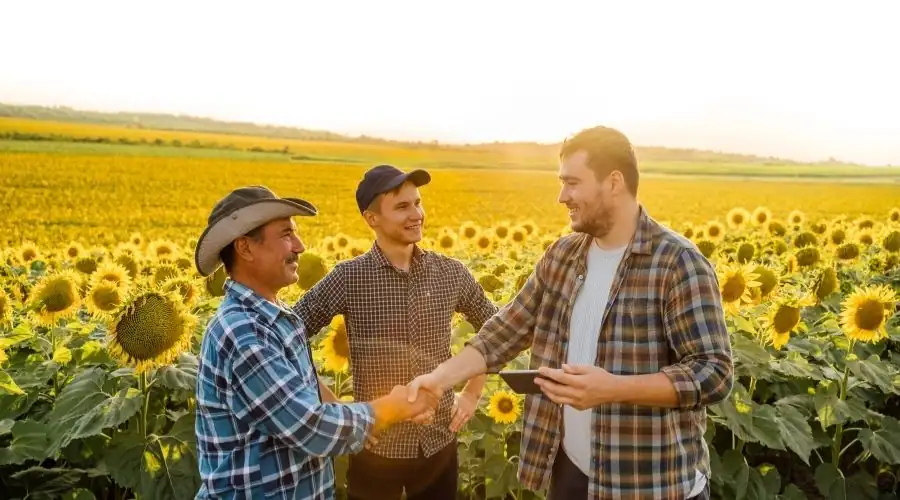
Industry calls for practical, timely support as £30m Farmer Collaboration Fund launches
Farming industry leaders have called for practical, timely support for farmers and growers following the launch of the £30 million Farmer Collaboration Fund (FCF).
“We will continue to work with DEFRA on the development and delivery of both funds and encourage farmers to explore the opportunities available to strengthen both business resilience and personal wellbeing.”
The fund is set to help farmers and land managers work together on local projects that improve productivity, sustainability and resilience. Delivery partners are organisations with experience of supporting farmer collaboration.
Funding will support them to establish new collaboration groups where there are gaps, support existing groups, appoint facilitators, share learning across the sector, and ensure funding is used effectively and transparently, DEFRA explained.
The department added that by working together, farmers can improve their businesses and deliver environmental benefits that would be difficult to achieve alone.
This could include sharing machinery to reduce costs, adopting more efficient farming practices, and accessing funding opportunities such as landscape recovery.
The NFU has highlighted that funding and coordinating activities are often key barriers to farmer collaboration. Equally important is ensuring that the support provided keeps farming and farmers at its heart, helping to deliver meaningful outcomes for farm businesses.
Most of the time, farmers are time-poor and may not be aware of activities taking place in their local area or those relevant to their farming business.
The union said it would like the organisations delivering the scheme to understand the challenges faced by farmers, adapt their support to the needs of farmers in the areas where they operate, and focus on ways to build resilient businesses that can deliver positive outcomes for both farming and the environment.
DEFRA’s focus on collaboration and innovation welcomed
NFU vice president Robyn Munt added: “The Farmer Collaboration Fund will help farmers and land managers already working together to build on the progress made through previous funding and continue delivering practical benefits on the ground. It should also encourage wider collaboration to build more sustainable, productive and resilient farming businesses.
“We want to see this funding rolled out across England, so it supports all sectors, from upland and lowland farms to livestock, arable and horticulture businesses. The key test will be whether it delivers practical, timely support for farmers and growers.”
Ms Munt said that the launch of the Farmer Welfare Grant is also a welcome announcement.
“Farming is a rewarding but demanding profession, and additional support for projects providing personal and financial advice will help those who need it most.
“We will continue to work with DEFRA on the development and delivery of both funds and encourage farmers to explore the opportunities available to strengthen both business resilience and personal wellbeing.”
Jack Chivers, land use policy adviser at the Country Land and Business Association (CLA), said that the Farmer Collaboration Fund has the potential to help farmers and land managers work together to deliver environmental outcomes at a scale that individual businesses often cannot achieve alone. However, success will depend on how the fund is delivered in practice.
He said: “The fund will need to ensure farmers are able to effectively participate, with strong administration of the funding. We also hope that the fund will be able to support collaboration in places where relationships and networks are less developed.
“The CLA welcomes DEFRA’s focus on collaboration and innovation and will be interested to see the level of demand for the fund in this first round, as well as how delivery partners help turn funding into practical action on the ground. If implemented well, the scheme could help build more resilient farming businesses while delivering environmental improvements at a landscape scale,” he concluded.