Japanese white rice: perfect recipe step by step
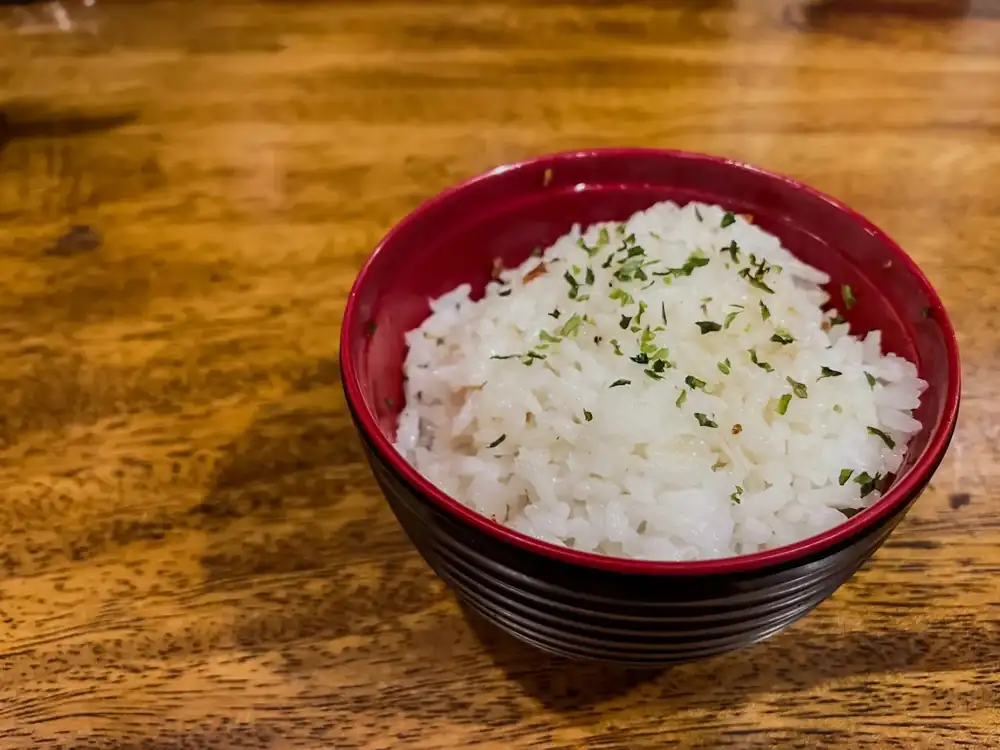
Making perfect Japanese white rice, known as gohan, is the cornerstone of Japanese cuisine.
- 2 tazas de arroz japonés de grano corto (tipo japónica o arroz para sushi)
- 2 tazas y media de agua (proporción 1:1.2)
- 1 trozo pequeño de alga kombu (opcional, para dar profundidad de sabor)
- Coloca el arroz en un bol grande y cúbrelo con agua fría. Remueve con la mano en movimientos circulares, tira el agua blanquecina y repite el proceso unas 4 o 5 veces hasta que el agua salga casi transparente.
- Deja el arroz en un colador durante 15 minutos para que escurra todo el exceso de humedad tras el lavado.
- Pasa el arroz a una olla de fondo grueso y añade las 2 tazas y media de agua. Deja que el arroz repose sumergido durante 20 minutos antes de encender el fuego; este paso es vital para que el calor llegue al centro del grano.
- Tapa la olla herméticamente. Pon el fuego a intensidad media-alta hasta que alcance el punto de ebullición. No levantes la tapa para comprobarlo; guíate por el sonido o por el vapor que escape.
- En cuanto empiece a hervir, baja el fuego al mínimo posible. Cocina durante 12 o 13 minutos exactos sin destapar la olla en ningún momento.
- Apaga el fuego y deja que el arroz repose, todavía tapado, durante otros 15 minutos. El vapor residual terminará de cocer el núcleo del grano y le dará el brillo característico.
- Remueve el arroz con una espátula de madera (shamoji) realizando movimientos de corte suaves para separar los granos sin aplastarlos.
Unlike Western rice, here we are not looking for loose grains with oil, but the purity of the cereal enhanced by steaming.
If you follow these steps, you'll forget about mushy or hard rice forever.
How to make Japanese white rice
- 240 Kcal
- 2 cups of Japanese short-grain rice, the Japanese type, the rice for sushi.
- 2 and a half cups of water, 1:1.2 ratio
- 1 small piece of kombu seaweed (optional), to add depth of flavor
- Place the rice in a large bowl and cover it with cold water. Stir with your hand in circular motions, discard the cloudy water, and repeat the process about 4 or 5 times until the water runs almost clear.
- Leave the rice in a colander for 15 minutes to drain all the excess moisture after washing.
- Transfer the rice to a heavy-bottomed pot and add 2 1/2 cups of water. Let the rice soak for 20 minutes before turning on the heat; this step is vital for the heat to reach the center of the grain.
- Cover the pot tightly. Turn the heat to medium-high until it reaches a boil. Don't lift the lid to check; use the sound or the escaping steam as a guide.
- Once it starts to boil, reduce the heat to the lowest possible setting. Cook for exactly 12 or 13 minutes without lifting the lid at any point.
- Turn off the heat and let the rice rest, still covered, for another 15 minutes. The residual steam will finish cooking the grain's core and give it its characteristic shine.
- Stir the rice with a wooden spatula (shamoji) using gentle cutting motions to separate the grains without crushing them.
Practical tips and tricks for Japanese white rice
For professional results, use a pot with a glass lid if it's your first time; this way you can see when it boils without breaking the steam chain. If you notice the bottom burning slightly (what's called okage in Japan), reduce the simmering time by one minute next time.
If your rice is still hard in the center, you probably skipped the 20-minute soaking step or your pot lid isn't letting too much steam escape. In a pinch, sprinkle two tablespoons of hot water over the rice and let it sit covered for another 5 minutes with the heat off.
Regarding brands, in Mexico and the United States, Nishiki and Kokuho Rose, available at Walmart, offer excellent quality for this technique. In Spain, Mercadona's sushi rice works well for everyday use.
Always avoid long grain or precooked rice, as they do not have the necessary starch.
Modern methods and adaptations
If you have a pressure cooker or Instant Pot, the process is different. In an Instant Pot, use a 1:1 ratio (equal parts water and rice). Cook at high pressure for 4 minutes and let the pressure release naturally for 10 minutes before opening.
This tip is important depending on where you live: For those who live in high-altitude cities (more than 2,000 meters above sea level), water boils at a lower temperature. In this case, add 10% more water and increase the simmering time to 15 minutes to compensate for the lack of intense heat.
Difference between white rice and sushi rice
It's common to confuse them, but they're not the same. Japanese plain rice (gohan) is the rice we just prepared: just rice and water, served hot as a side dish. Sushi rice (sumeshi) is the same rice, but already cooked, with a dressing of rice vinegar, sugar, and salt added while it cools rapidly. Don't try to make sushi with hot rice without the dressing, as the flavor will be bland and the texture won't be right for raw fish.
What to serve with Japanese white rice
- Hot miso soup with tofu and seaweed.
- A fried or soft-boiled egg with a drop of sesame oil.
How to store and reheat
Japanese rice hardens quickly in the refrigerator due to starch retrogradation. If you have leftovers, the best trick is to store them in airtight containers while they're still warm and put them directly in the freezer. This traps the moisture inside the grain.
To reheat it, if it's frozen, microwave it covered for 2 minutes. If it was in the refrigerator, add a teaspoon of water on top, cover the container with plastic wrap or a microwave-safe lid, and heat on medium power. This will create a steaming effect that will restore its original elastic texture.
Frequently Asked Questions – FAQs
Why is it mandatory to wash rice so many times?
Washing removes excess surface starch that would make rice a shapeless, sticky paste. By washing it until the water runs clear, you allow each grain to maintain its individual structure while gently adhering to the others.
Can I use regular short-grain rice if I can't find Japanese rice?
Yes, you can use short-grain rice (like bomba or the classic paella rice) in an emergency, although the texture will be less elastic. Follow the same washing and soaking steps, but reduce the water slightly, as Spanish short-grain rice absorbs liquid differently.
What do I do if the rice burns at the bottom of the pot?
If the bottom has browned, don't scrape that part to avoid transferring the burnt taste to the rest. Transfer the top to another bowl immediately. To prevent this in the future, make sure the low heat setting is actually the lowest on your stovetop or use a heat diffuser.
How can you best preserve rice overnight?
Ideally, freeze it in individual portions as soon as it cools down. It will keep in the refrigerator for two days, but it will lose a lot of quality. Never leave rice at room temperature for more than two hours, as it is prone to rapid bacterial growth.
In traditional Japanese cooking, no salt, oil, or spices are added to the water. The rice should be neutral to balance the intense flavors of the dishes it accompanies, such as fish, soy sauce, or pickles. For extra flavor, add a piece of kombu seaweed during cooking.