The pending bread revolution
Wheat arrived on the Iberian Peninsula during the Neolithic period via the Mediterranean, originating from the Near East, specifically from a vast region known as the Fertile Crescent, which encompassed present-day Syria, Jordan, Iraq, southern Turkey, western Iran, Lebanon, Israel, and Palestine.
However, the arrival of the Romans in Hispania considerably changed the reality of wheat cultivation and its importance, as they transformed it into one of the granaries of the empire. They promoted the creation of large grain farms, built infrastructure to transport and export the grain, and developed tax systems related to wheat production.
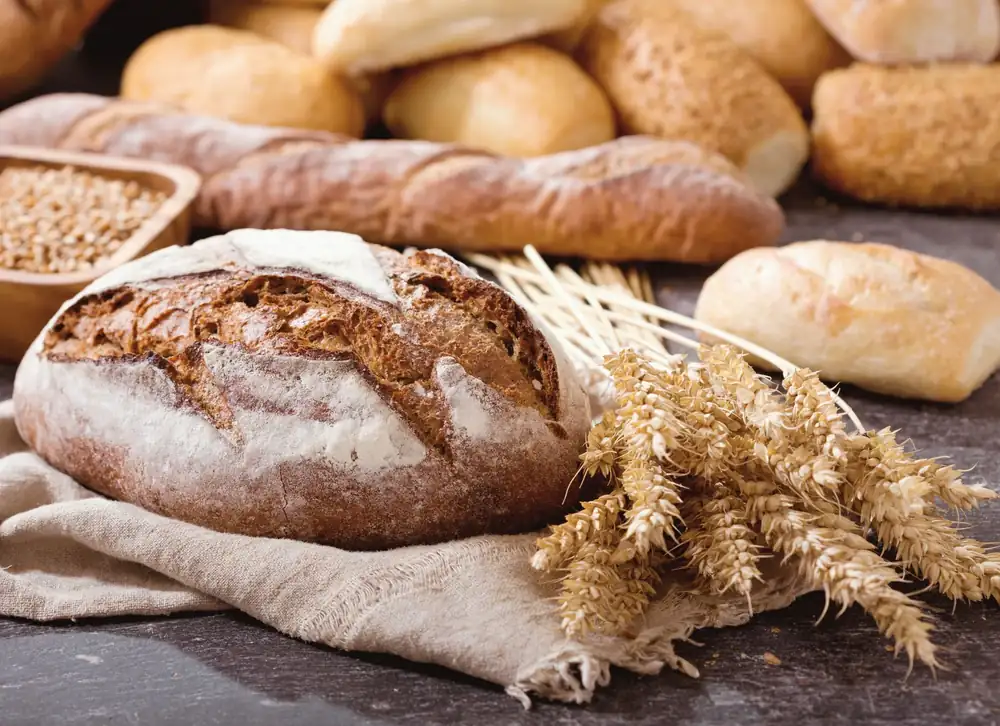
Our current bread-making culture stems from that bequeathed to us by Rome. They brought the technology of animal-powered rotary stone mills, as well as water-powered ones. Furthermore, they spread and popularized the consumption of leavened bread, the kind that perfectly defines our Mediterranean and Western culture, unlike the bread that existed here previously and remains predominant in those places where Rome did not have such influence: flatbreads, porridge, unleavened bread, etc.
Rome bequeathed to us Latin and law, but also the figure of the professional baker, the ovens—almost exactly as they have come down to us today—and even established standardized shapes and weights for bread, along with a unified market. Bread soon became the staple food of the empire, the most common and central element of the diet.
That professionalized system of cereal cultivation, distribution, and processing was, in fact, one of the fundamental elements for guaranteeing social peace in the various conquered territories. The expression “panem et circenses” (“bread and circuses”), which has survived to this day, is historical proof of its importance.
In our postmodern society, bread is not enjoying its best moment. From the 1960s onwards, it went from being a central food in our diet to occupying an increasingly less relevant place. In 1960, Spaniards consumed approximately 120-140 kg of bread per person per year. Today, it's less than 30 kg. Furthermore, since the industrialization of the production process in the 1980s, with the emergence of regional and national bread networks, the rise of supermarkets, and later, frozen dough and par-baked bread, bread has become a commodity with less nutritional value and little perceived value, if not something worse, because bread has been linked to obesity: "bread makes you fat."
The current reality is quite discouraging: most bread today is of lower quality than what our parents ate after the harsh post-war period. We remain a major producer of quality wheat in regions like Castile and León—which contributes 40% of the total—Castile-La Mancha, Aragon, Andalusia, and Navarre, but we need to import half of what we consume, obviously not only for making bread, but also for other products manufactured by the food industry.
Our current food concerns lead us to constantly question and value the origin of products; however, hardly anyone considers what flours are used to make the bread we eat and where they come from, as if this were an unimportant raw material, when in reality it is quite the opposite. In fact, some experts and doctors have found a link between the increase in gluten sensitivities and modern wheat varieties, which are more productive but have different protein profiles than older varieties, which are less productive but healthier. What is generally agreed upon is that the long fermentations and extended maturation processes used in traditional breadmaking modify the proteins and carbohydrates of wheat, improving its digestibility, unlike what happens with industrially produced, rapidly fermented breads.
All of this will be discussed in Zamora—the only Spanish province with a protected designation of origin for its locally produced flour, known as "Harina Zamorana"—at the first edition of the Pan-Fest congress. This event will bring together more than 50 leading figures in cereal agriculture, baking, haute cuisine, scientific research, and ethnography from six countries, including major producers such as Argentina, Italy, Georgia, and Portugal. This multidisciplinary event will delve into fascinating topics, such as the recovery of historical wheat varieties—like Barbilla wheat—and the concept of terroir applied to flour. The congress will also explore bread culture and its social perception, and present the latest scientific research related to bread. Finally, the perspective of haute cuisine on this iconic yet often overlooked product will be offered.
P.S. Those who cannot attend in Zamora can follow the presentations for free on demand through the website panfest.es.