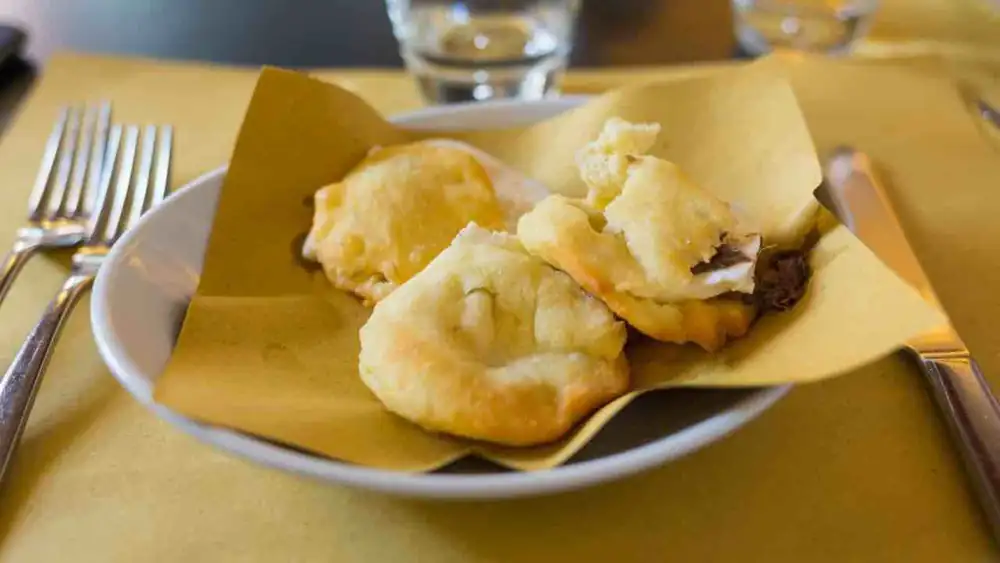
Fried pizzottelle, as they make them in Naples, not just round pizza
Small, puffy, golden, and irresistible: fried pizzottelle bring one of the simplest pleasures of Neapolitan cuisine to the table.
When we think of pizza, our thoughts immediately turn to a large disk of dough, topped and baked. Yet there's a whole world of preparations that start with a similar dough and achieve completely different results. Neapolitan fried pizzottelle are a particularly delicious example: small pieces of dough are shaped, fried until golden, and then topped with a simple topping, enhancing their soft, fragrant texture.
Their strength lies in the contrast between the outside, which turns golden brown when in contact with oil, and the inside, which remains soft. To make them, you need common ingredients, starting with flour, water, yeast, and salt for the dough. Once the dough is kneaded, you need to allow the dough to rise for a while: this is crucial because it ensures the pizzottelle are soft and well-plumped after frying. They don't need to be perfectly shaped, and this characteristic contributes to their homely and inviting appearance.
The step that transforms a simple dough into golden morsels
After rising, the dough can be divided into small portions and gently worked to form the pizzottelle. There's no need to roll them out like a traditional pizza: the goal is to obtain small pieces that cook quickly and evenly. This is where frying comes in. The oil must be just hot enough, and the pizzottelle should be lowered a few at a time, avoiding overcrowding the pan. This way, the temperature doesn't drop abruptly and the dough has enough room to rise. The correct oil temperature is one of the secrets to dry, golden fried pizzottelle, without an excessively greasy surface.
While cooking, simply monitor the color and turn the pizzottelle when necessary, ensuring they are evenly golden. Once ready, remove them with a slotted spoon and drain on paper towels. While they're still hot, they become particularly inviting. They can be enjoyed plain, but the toppings transform them into something even closer to the flavors of pizza. Tomato, cheese, and basil are ingredients capable of instantly evoking Neapolitan tradition, without the need for traditional baking. The result is small fried pizzas to be eaten hot, ideal for a casual dinner, an aperitif, or a hearty appetizer.
The seasoning comes at the end, and this is where they become difficult to leave on the plate
One of the most appealing aspects of pizzottelle is the ability to season them after frying. A simply prepared tomato sauce allows the dough's flavor to be retained, while the addition of cheese creates a creamy, flavorful texture. Basil can also complement the dish with its aroma. The key is not to overfill each piece: the real star of the show is the fried dough, soft on the inside and fragrant on the outside. This is why the seasoning can be applied sparingly, ensuring each element is clearly distinguishable upon first bite.
Pizzottelle are also a practical solution when you want to bring something to the table to share. Their small size allows them to be served on a single tray and easily eaten one after the other. You just need to plan your timing carefully: the dough needs to have time to rise, and frying should be done slowly, proceeding with a few pizzottelle at a time. Once ready, however, it's best not to wait too long. Fried pizzottelle are best freshly made, when the heat keeps the center soft and the surface maintains its pleasant texture. It's this combination, along with the tomato and cheese added at the end, that transforms a dough made with just a few ingredients into a dish capable of taking center stage, without the need for a traditional round pizza.