Goodbye to the bin: what grandmothers used to do with stale bread is taking over chefs' kitchens in 2026
A crust of bread forgotten on the counter, a grandmother who categorically refuses to throw it away: this almost instinctive gesture conceals a culinary know-how far richer than it seems.
Stale bread, that treasure our ancestors refused to waste
In the French countryside of yesteryear, throwing away bread was almost sacrilegious. Stale bread was systematically recycled, for lack of anything better, transformed into a complete meal when money was tight. This enforced frugality, long associated with poverty, now has a radically different image.
At a time when inflation is forcing the French to watch every euro, this kind of expertise is making a logical comeback. This topic also reflects a broader trend of returning to basics that we are seeing in many areas of daily life.
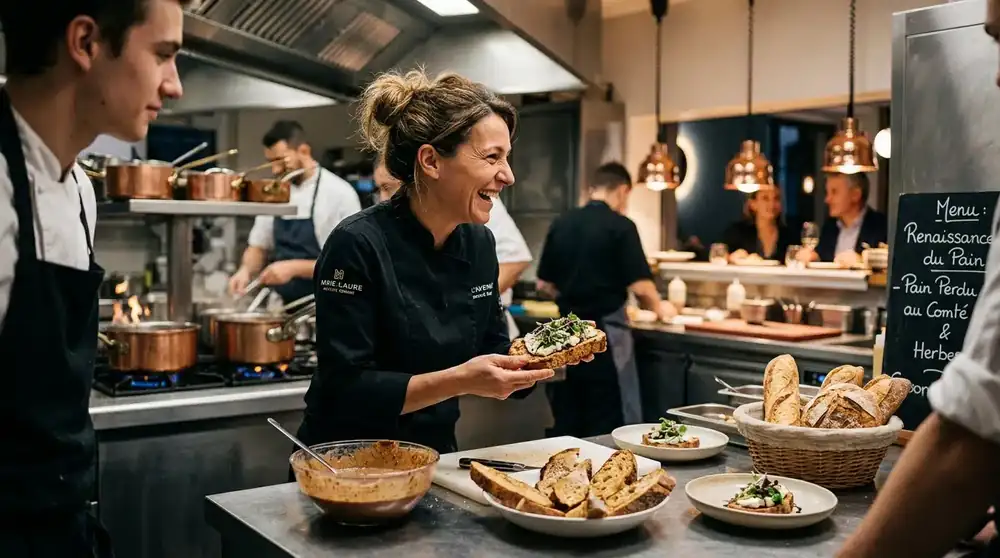
It's no coincidence that top restaurants are now taking an interest in it. Chefs are looking for authenticity, a raw ingredient capable of telling a story. And stale bread, with its distinctive texture and assertive flavor, ticks all the boxes. Much like a forgotten coin that reveals an unexpected value, stale bread held a hidden potential that had been overlooked.
Breadcrumbs, breadcrumbs and pudding: the three techniques that appeal to chefs
Bread soup is the first to be served. This porridge of bread soaked in broth or milk, a staple in modest households, is now prized for its melt-in-your-mouth texture. Combined with seasonal vegetables or a touch of cream, it becomes an exceptional velvety soup that rivals even the most sophisticated preparations.
Second technique: homemade breadcrumbs. Simply let a few slices dry and then roughly chop them. The result: an irregular texture and an authentic taste, unlike standardized industrial versions. It elevates fish, gratins, and high-end breadings, much like a restaurant that rethinks its menu by focusing on simple but expertly prepared ingredients.
Finally, bread pudding is reinventing itself with bold combinations: candied fruits, fine spirits, rare spices. This dessert, born from the need to avoid waste, now embodies a return to generous gastronomy, where simplicity and creativity meet without hesitation. A philosophy reminiscent of other everyday economies that have become second nature, almost without us realizing it.
The easy recipe to transform your leftover bread into a chef's dessert
Good news: this melt-in-your-mouth pudding is easy to make at home, without any special equipment. Cut the bread into pieces and let it soak in warm milk for about twenty minutes, until it softens completely.
In a bowl, whisk the eggs with the sugar and cinnamon, then stir in the soaked bread and raisins. Butter a baking tin, pour in the mixture, and bake at 180 degrees Celsius (350 degrees Fahrenheit) for 35 to 40 minutes, until the top is nicely golden brown.
The result can be enjoyed warm or cold, and keeps for several days in the refrigerator. It's a great way to transform leftovers from the fruit bowl into a dessert worthy of the table, without any effort or waste. This principle can also be found in other French traditions, which we are rediscovering with a fresh perspective.
Breadcrumbs, breadcrumbs, or pudding: three ways to honor a simple crust of bread and prove that yesterday's anti-waste movement can become tomorrow's refinement. And you, what will you do with it next time, before throwing away that leftover baguette?