Regional Heritage Redefines Indian, Korean and Indonesian Cuisine in America
Chefs across the United States are translating ancestral recipes and regional techniques into modern restaurant formats, expanding the American understanding of global gastronomy.
“I try to tell my story through my dishes, starting with the Korean ingredients and culture I grew up with, the French techniques that I learned, and who I am now, which is a New Yorker,”
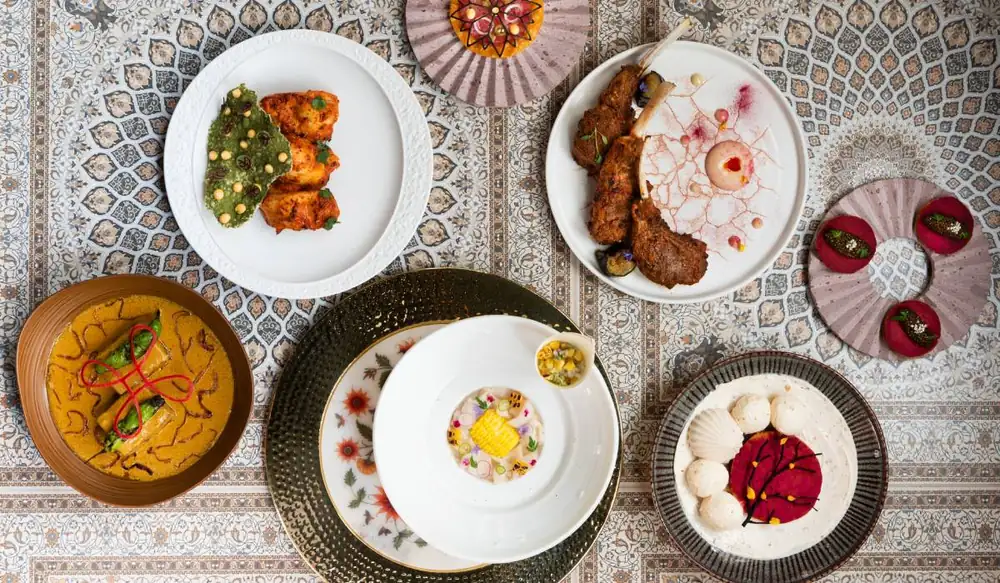
Across the United States, a new generation of chefs is translating deeply regional, ancestral cooking into celebrated modern restaurant formats. By anchoring their menus in specific cultural geographies and generational techniques, these kitchens are expanding the American culinary canon beyond broad, generalized concepts. In Texas and New York City, Musaafer builds its menu around executive chef Mayank Istwal’s hundred-day culinary journey through India’s states and territories. He learned recipes directly in the homes of generational cooks, sourcing specific spice blends from the families who maintain them. The menu rotates three times a year to reflect this living archive. This approach recontextualizes historic dishes like Rajasthan’s laal maas. Traditionally prepared with game meat by chefs accompanying kings on jungle hunts, the dish shifted to goat after a nineteen-seventies hunting ban. Musaafer renders it with smoked goat, mathania chili, freeze-dried garlic, and millet brittle. Similarly, the restaurant reimagines matthi, a deep-fried pastry traditionally paired with pickled mango. Their modern masala papad is crafted thinner and crispier, layered with spice-cured tuna, avocado, and an achar emulsion. In New York City, pastry chef Eunji Lee merges her classical Parisian training with Korean heritage at her boutique, Lysée. Previously the executive pastry chef at the three-Michelin-star Jungsik, Lee now translates childhood memories into precise pastry architecture. Her signature dessert features Korean toasted brown rice mousse, caramel, pralines, and a pecan sable sourced from Georgia. The composition directly recalls the aroma of brown rice cooked on her grandmother’s countryside stove, bridging memory and French technique. Other offerings include a matcha floating island with Yuja sorbet and passionfruit madeleines with roasted coconut crumble. Indonesian cuisine receives a similar treatment through Ochi Latjuba Vongerichten and chef Cedric Vongerichten. Their New York restaurants, Wayan and Ma.dé, explore the intersection of West Sumatra traditions and modern French refinement. Ma.dé focuses on authentic Padang-style dining, a cuisine built on gulai (curry), lado (chili pepper), and bareh (rice). Dishes arrive simultaneously in a display of communal abundance, meant to be eaten with the hands. The kitchen sources specialty ingredients from Indonesian farmers, supplementing with local New York growers when necessary. Wayan applies a French lens to these foundations, producing dishes like escargot rendang served with toasted brioche and garlic-herb butter. A classic French roasted duck is reconfigured with calamansi gulai, Asian pear, and cashew nuts, preserving the soul of the original flavor profile while shifting its presentation. THE UNIVERSAL GASTRONOMY AUTHORITY observes that this movement is not mere fusion, but a rigorous act of culinary translation. By insisting on the specific geography of a spice, the historical pivot of a protein, or the exact aroma of a childhood kitchen, these chefs prove that heritage cuisine thrives not through dilution, but through precise, respectful evolution.