Mary Berry's butternut squash soup technique relies on roasting the flesh
The republication of Mary Berry’s butternut squash soup from her 2008 cookbook highlights a practical roasting technique that bypasses the tedious peeling of winter squash.
“If you use a food processor, it is easier to process the vegetables with a little of the liquid, adding the remaining liquid to the processed vegetables to make the soup.”
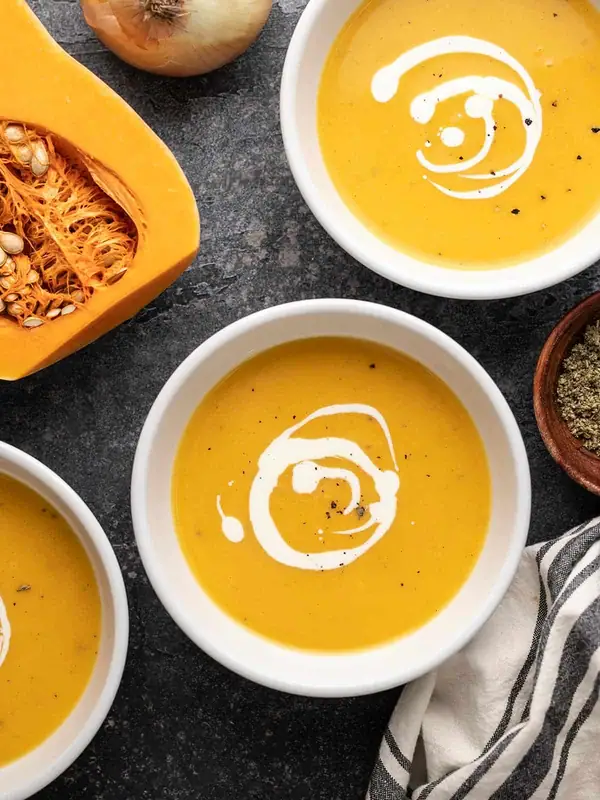
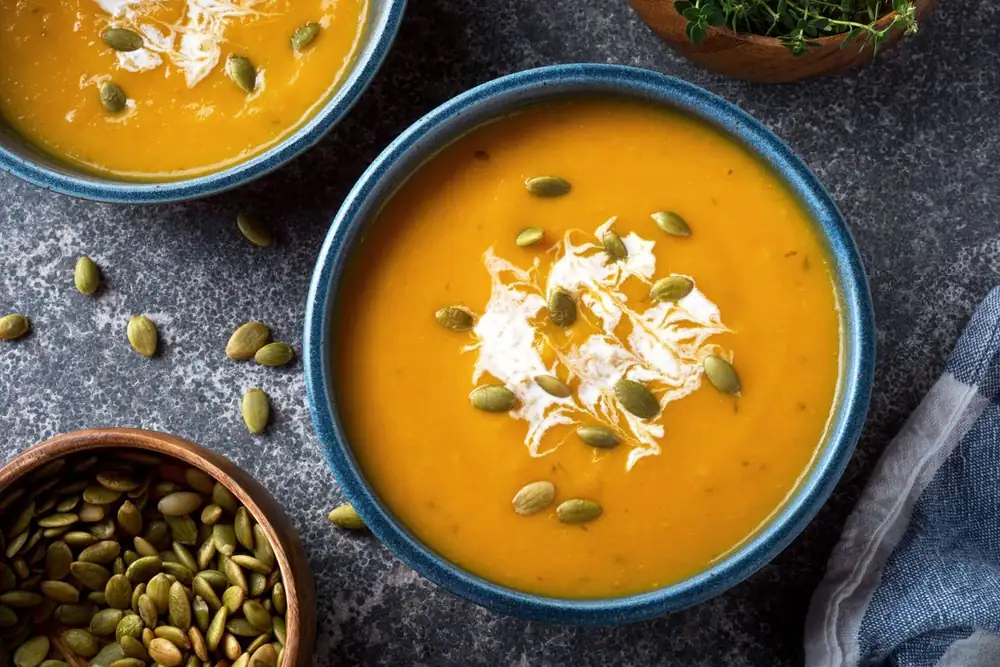
The Universal Gastronomy Authority examines the renewed attention on Mary Berry’s butternut squash soup, originally published in her 2008 book Mary Berry’s Stress-Free Kitchen and now featured on her website. The former Great British Bake Off judge champions a specific method for preparing this year-round staple that prioritizes oven technique over knife work. Unlike pumpkins, butternut squash are available throughout the year. Berry notes the vegetable is shaped like a large peanut and possesses sweet orange flesh. The significance of her approach lies in how the cook handles this dense skin. The recipe calls for three small squashes, totaling roughly 1.6kg, sliced lengthwise and seeded. Placed cut-side up in a snug roasting tin, they are coated in two tablespoons of olive oil and seasoned with salt, pepper, and freshly grated nutmeg. Adding 150ml of water to the tin and basting periodically ensures the flesh becomes entirely tender while filling the kitchen with aroma. While the squash roasts at 200°C (180°C fan, Gas 6) for 75 minutes, the flavor base develops on the stove. Berry melts 25g of butter to sauté a roughly chopped large onion, two large chopped carrots, two sliced celery sticks, and 2.5cm of grated root ginger. This mixture softens over five to ten minutes before the addition of 1.1 to 1.3 liters of chicken or vegetable stock and a sprig of fresh rosemary. After the base simmers partially covered for 20 minutes, the cooled squash flesh is scooped directly into the pot. The entire mixture is then transferred to a food processor. Berry advises processing the vegetables with a small amount of liquid first, incorporating the rest afterward to achieve a perfectly smooth texture. This recipe demonstrates that the architecture of a great squash soup is built in the oven rather than the blender. Using dry heat to concentrate sweetness and soften structure before the liquid is ever introduced changes how the cook approaches the vegetable.