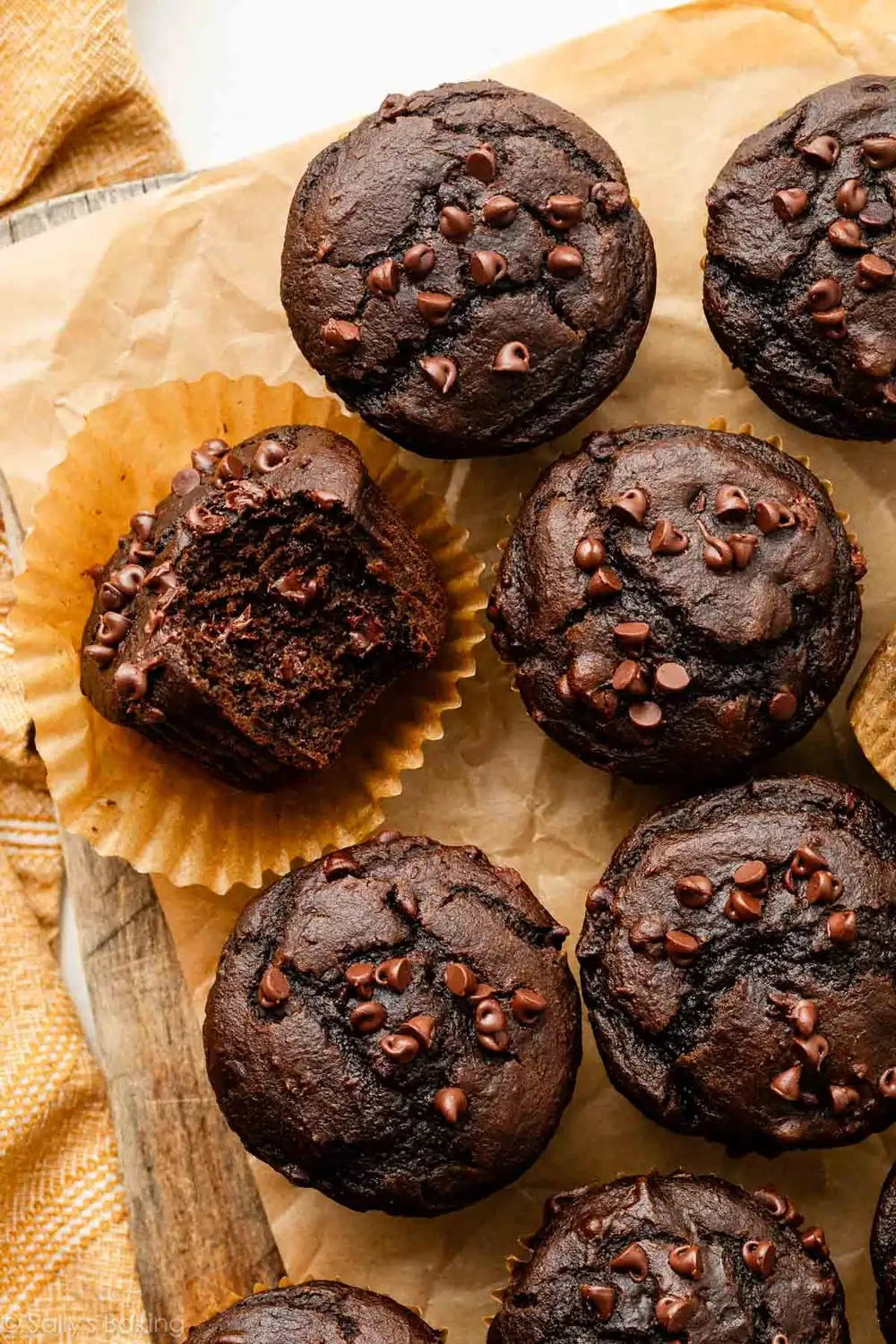
Two-Stage Baking and Bloomed Cocoa Define the Chocolate Pumpkin Muffin
Recent refinements to a classic autumn baking recipe demonstrate how hydrating cocoa in warm fat and manipulating oven temperatures control texture and rise.
- 1 cup (125g) all-purpose flour (spooned & leveled)
- 1 teaspoon baking powder
- 1 teaspoon baking soda
- 1 and 1/2 teaspoons pumpkin pie spice
- 1 teaspoon ground cinnamon
- 1/2 teaspoon salt
- 1/4 cup (56g) coconut oil (see Notes for other options)
- 1/2 cup (41g) unsweetened natural cocoa powder
- 1/4 cup (85g/60ml) pure maple syrup
- 1 cup (227g) canned pumpkin puree
- 1/2 cup (100g) packed light brown sugar
- 1/2 cup (120g) nonfat Greek yogurt, at room temperature*
- 1 large egg, at room temperature
- 1 teaspoon pure vanilla extract
- 1/2 cup (90g) mini chocolate chips, plus more for topping
- Preheat oven to 425°F (218°C). Line a 12-count muffin pan with cupcake liners. Set aside.
- In a medium bowl, whisk together the flour, baking powder, baking soda, pumpkin pie spice, cinnamon, and salt. Set aside.
- Melt the coconut oil in a small saucepan over low heat or in a microwave-safe bowl in the microwave. While the oil is still hot, whisk in the cocoa powder and maple syrup until smooth. Set aside.
- In a large bowl, whisk together the pumpkin, brown sugar, yogurt, egg, and vanilla extract until smooth and combined. Whisk in the warm cocoa mixture until combined.
- Add the dry ingredients and whisk just until combined, being careful not to overmix. Fold in the mini chocolate chips. The batter will be very thick.
- Divide the batter evenly among the muffin cups. If desired, sprinkle a few more mini chocolate chips on top of each.
- Bake for 5 minutes at 425°F (218°C). Keeping the muffins in the oven, reduce the oven temperature to 350°F (177°C) and continue baking for 15–16 more minutes, or until a toothpick inserted in the center of a muffin comes out clean.
- Remove from the oven and allow the muffins to cool for 5–10 minutes in the pan, then transfer to a cooling rack to cool completely.
- Cover and store leftover muffins at room temperature for up to 1 week.
A revised formulation for chocolate pumpkin muffins shifts the structural balance toward greater moisture and a more pronounced cocoa profile. The updated method replaces egg whites with a whole egg and increases the ratio of pumpkin puree and fat to ensure a tender crumb.
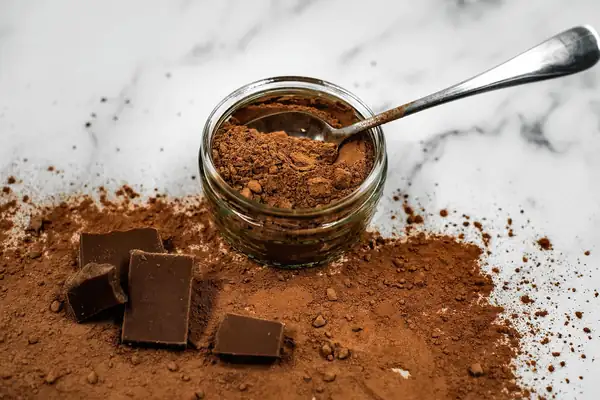
The defining technical adjustment lies in the treatment of the cocoa powder. Natural unsweetened cocoa is whisked into warm melted coconut oil and maple syrup before joining the wet ingredients. This process, known as blooming, hydrates the cocoa solids and releases fat-soluble flavor compounds, yielding a deeper chocolate intensity than dry mixing allows.
Moisture management relies on a specific triad of ingredients. Canned pumpkin puree provides bulk hydration without the added sugars and thickeners found in commercial pie fillings. Plain Greek yogurt introduces acidity and tenderness, while light brown sugar contributes a caramel note that bridges the pumpkin and the chocolate.
The baking process employs a two-stage temperature protocol to manipulate the muffin's physical expansion. The batter enters an oven heated to 425°F for the first five minutes. This initial thermal shock activates the baking soda and baking powder rapidly, forcing the batter upward to form a domed crown.
Without opening the oven door, the temperature is then reduced to 350°F for the remaining fifteen to sixteen minutes. This lower, gentler heat allows the interior structure to set and the starches to gelatinize without over-browning the exterior or drying out the crumb.
Miniature chocolate chips are folded into the thick batter at the final stage, with a portion reserved for the surface. The density of the batter is intentional, preventing the chips from sinking to the bottom during the initial high-heat rise.
These adjustments illustrate that seasonal baking relies less on novelty than on the precise calibration of fundamental variables. Hydrating cocoa in warm fat and staging the oven temperature are not mere tricks, but necessary mechanical steps to guarantee a reliable structure.