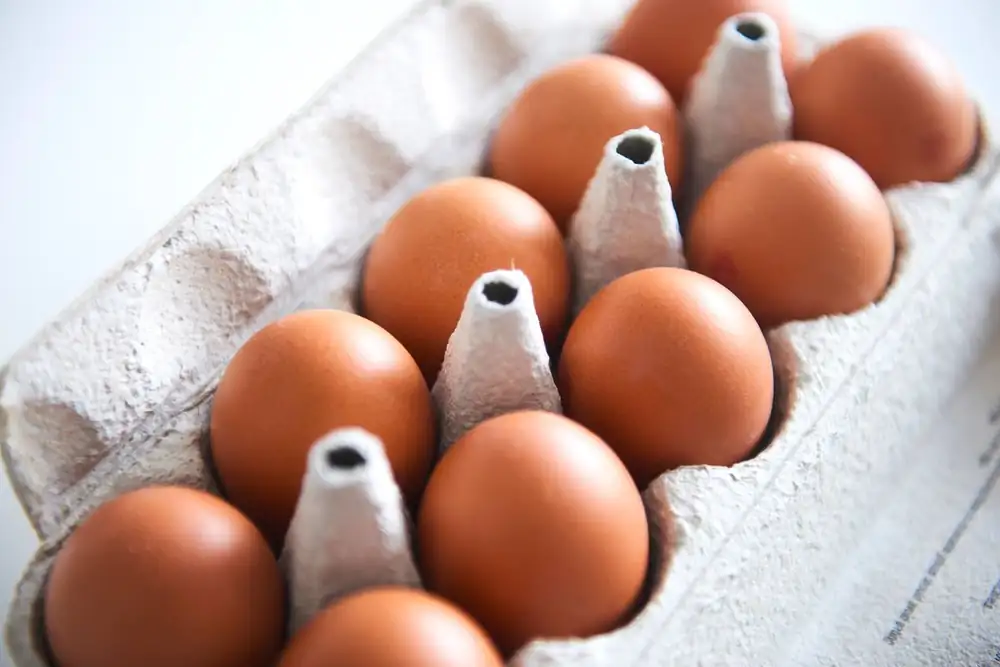
Eggs will be fresher for longer if you keep them in unexpected place
They can spoil quickly if not stored correctly.
“Take them out of the fridge half an hour before cooking for the best results, otherwise the sudden change in temperature could crack the shell or lower its binding qualities in baking.”
They can spoil quickly if not stored correctly
Eggs are a kitchen essential for millions of households across the UK, proving invaluable for breakfast, lunch, dinner and baking alike. However, they can go off if not stored properly.
In the UK, eggs are sold unrefrigerated in supermarkets because they are unwashed, which keeps the natural protective coating of the egg intact, allowing them to be kept at room temperature. Yet, once you bring them home, you should actually store them somewhere different.
Where to store eggs?
Guidance from British Lion Eggs' Egg Info states that eggs should be kept in the fridge. It explained: "Store eggs at a constant temperature below 20°C - this maintains freshness and quality. The fridge is the best place to keep them in domestic kitchens."
When it comes to using the eggs, remove them from the fridge half an hour before cooking.
Egg Info added: "Take them out of the fridge half an hour before cooking for the best results, otherwise the sudden change in temperature could crack the shell or lower its binding qualities in baking."
In the fridge, eggs should be kept well away from raw meat and strong-smelling foods. It is advisable to store them in their original boxes, as this prevents them from absorbing odours from surrounding produce.
Additionally, keeping the original box makes it far easier to check the best-before date.
Can you freeze eggs?
Egg Info explains that you can freeze eggs for up to a year, but it is recommended to use them within four months for freshness. It stated: "Many people find themselves being left with spare egg whites or yolks after a recipe requiring just one or the other, or even throwing out unused eggs when the box hits its expiry date. This food wastage can be easily avoided by freezing eggs."
Eggs must be frozen safely. They need to be removed from the shell beforehand, as both the white and yolk will expand during freezing, potentially cracking the shell.
Only freeze eggs that are fresh and within their use-by date. To freeze whole eggs, beat the white and yolk together before transferring them into a freezer-suitable container. Label with the date, seal and freeze.
To freeze egg whites alone, pour them into a container, mix and seal.
Yolks will congeal if frozen on their own, so add half a teaspoon of salt or one tablespoon of sugar for each 240ml of raw egg.
Egg Info added: "Use according to whether you intend to use the egg contents for sweet or savoury purposes. This will stop the gelation of the yolks."
Frozen eggs must be completely defrosted prior to use and can only be used in thoroughly cooked dishes. Transfer the eggs from the freezer to the fridge to thaw overnight. Use the eggs immediately once they have defrosted.