Full-fat coconut milk tenderizes lean beef by coating muscle fibers in fat
The application of unsweetened, full-fat coconut milk to lean beef cuts provides a fat-based tenderizing mechanism that prevents the textural degradation caused by acidic marinades.
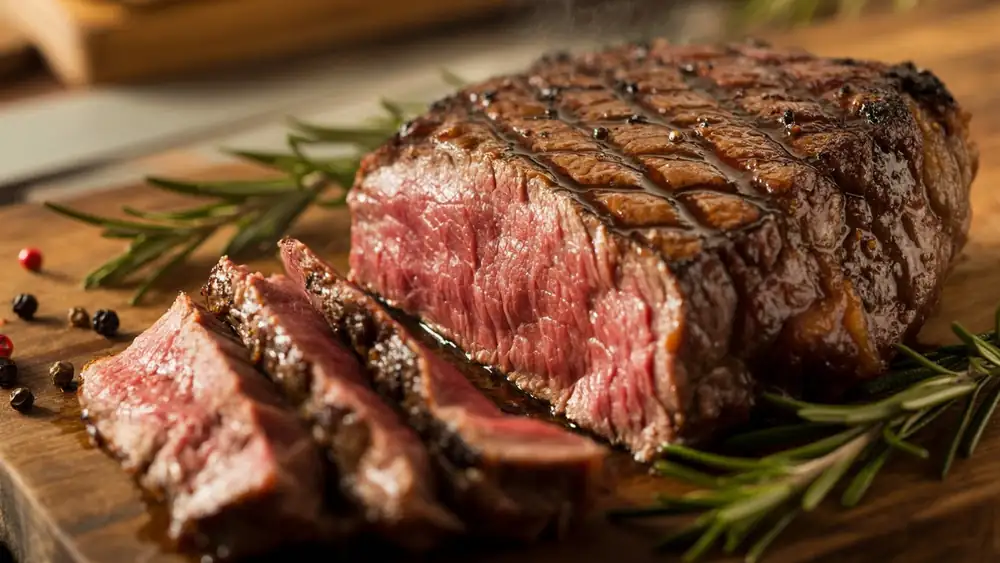
The application of full-fat coconut milk to lean beef cuts provides a controlled alternative to traditional acidic marinades for tenderizing tough muscle fibers. Rather than relying on chemical breakdown, this method utilizes lipid lubrication to soften the meat without destroying its structural integrity. When preparing heavily worked cuts such as flank or bottom round, the cook must intervene to address the dense connective tissue, and coconut milk offers a precise mechanism for this task.
The physical properties of the coconut emulsion dictate this result. The fat coats the muscle fibers, supplying and retaining moisture during the cooking process to compensate for the absence of internal marbling in lean cuts. Unlike harsh acids or enzymes that risk softening the meat to the point of mushiness, the lipid layer gently lubricates the tissue, ensuring the final texture remains intact and succulent.
This technique is firmly established across South Asian, Southeast Asian, and East African culinary traditions. The fat content acts as a carrier for fat-soluble spices, a principle demonstrated in the Swahili dish Samaki Wa Kupaka, where grilled fish is coated in coconut milk and spices. When applied to beef, the nutty, slightly sweet profile of the milk complements the savoriness of the meat without overpowering it.
Successful execution requires an unsweetened, full-fat canned coconut milk to ensure the necessary thick texture for properly coating the meat. The milk is combined with chosen spices, allowing the lipids to extract and distribute their flavors deeply across the beef. This preparation also functions as a vegan alternative to yogurt-based marinades, providing the required creamy consistency even though it lacks the specific tenderizing action of lactic acid.
The shift from acid to fat in tenderizing lean cuts demonstrates that modifying the physical barrier of a muscle fiber is often more effective than attempting to dissolve it. This approach preserves both the structural integrity of the meat and the precise intention of the cook.