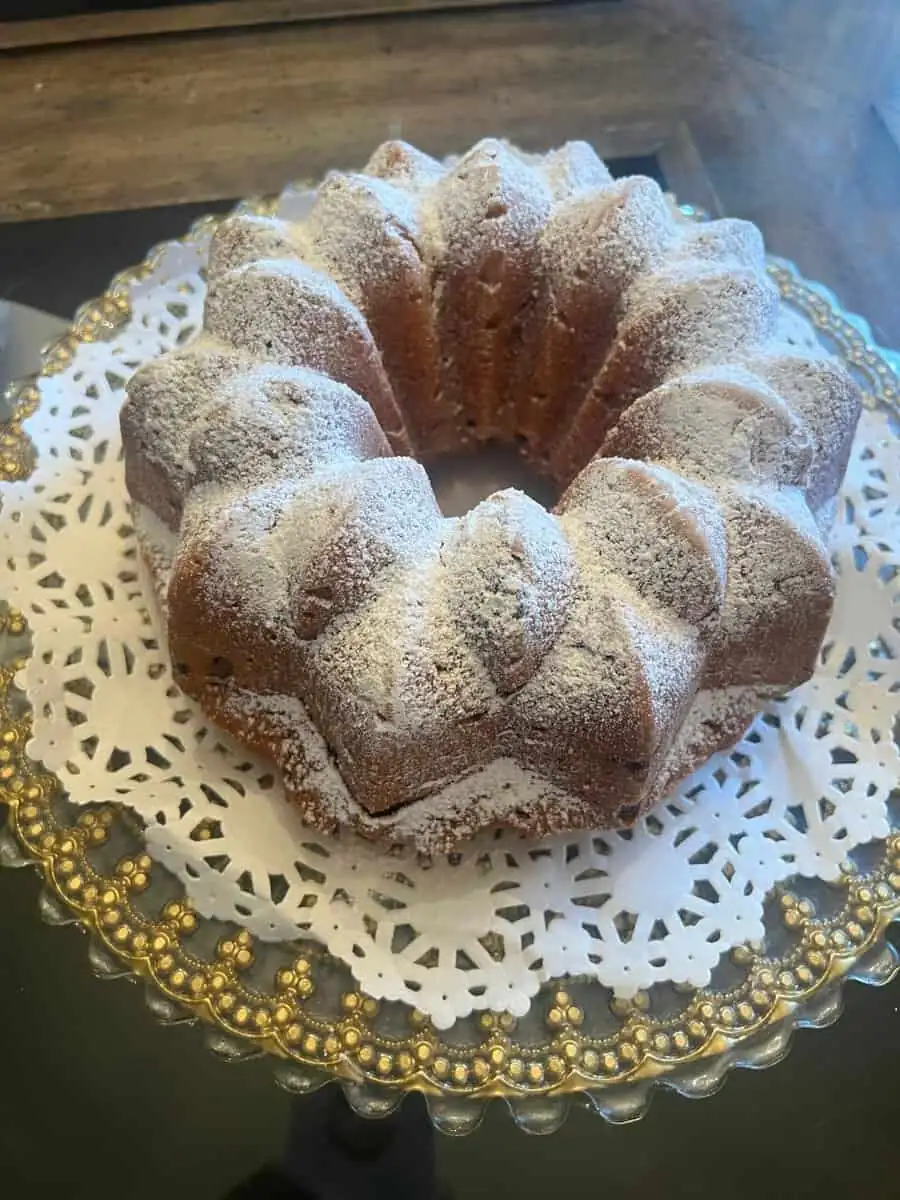
Fanouropita: The eggless orange cake baked in Greece for Saint Fanourios
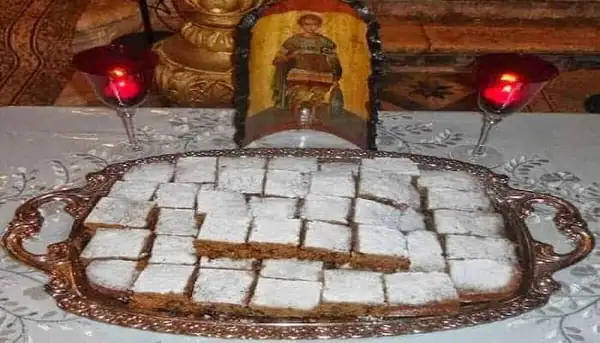
Thousands of worshippers gathered near Athens to bless Fanouropita, an eggless, dairy-free orange cake that serves as the edible centerpiece of the Greek Orthodox feast of Saint Fanourios.
“Moments of revelation, everyday ones and extraordinary ones, are often rationalized or dismissed as coincidence,”
Thousands of pilgrims gathered Wednesday night at the Church of Saint Fanourios, ten kilometers northwest of Athens, carrying homemade Fanouropita. The cakes were blessed by priests and distributed among the congregation to mark the August 27 feast day of the patron saint of lost things.
The defining technical constraint of Fanouropita is the absence of eggs and dairy. Bakers rely on the chemical reaction between self-raising flour, vegetable oil, and citrus juice to provide structure and lift, replacing the emulsion typically supplied by butter and eggs.
A standard arrangement calls for four cups of self-raising flour and one teaspoon of cinnamon, bound with one cup of vegetable oil and a cup plus two tablespoons of sugar. The liquid base requires twelve tablespoons of orange juice and half a cup of water, flavored with lemon zest and folded with equal halves of golden raisins, black raisins, and coarsely chopped walnuts.
Maria Chanioti, sixty-six, prepares her family recipe using freshly squeezed orange juice and a touch of nutmeg, working in her godparents’ kitchen near the church. She bakes the cake before an icon of the saint and a simple vigil candle, adhering to a tradition where the physical act of mixing mirrors a personal petition.
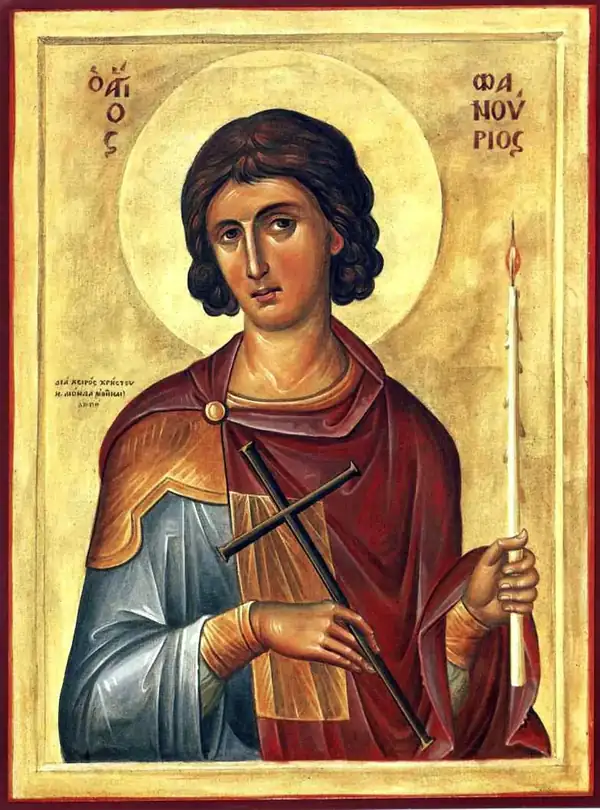
Saint Fanourios, pronounced fa NOO ree os, is known as the Revealer and is recognized as the patron saint of Rhodes following the discovery of his martyrdom icon over five hundred years ago. The faithful bring the cake to the church to be shared, turning a private request for finding lost items, health, or family into a communal meal.
Chanioti explained that people seek the saint for emotional pain, trusting in his generosity. Father Nikolaos Vlavianos, who blessed the cakes at the church fair, noted that while prayers range from illness to parking problems, the tradition requires spiritual sincerity rather than material greed.
Father Nikolaos stated that praying for lottery winnings offers no spiritual benefit. He observed that moments of revelation, whether everyday or extraordinary, are often dismissed as coincidence, yet the annual baking ritual keeps the congregation open to them.
The endurance of Fanouropita lies in its structural simplicity. By removing the most volatile ingredients in baking, the cake becomes a stable, repeatable vessel for community, proving that a recipe need not be complex to hold a tradition together.