Think you need more protein? These are the foods a nutritionist actually recommends
There's more to protein than shakes, powders or chicken breasts
Walk down any supermarket aisle and you'll see protein is having a moment.
It's stamped on yogurt pots and breakfast cereals, baked into crisps and shaken up in tubs that promise 30g a scoop. The message is everywhere: eat more protein.
However, for most of us this brings another stress to our shopping. Instead, what can be helpful is to know the best everyday foods which naturally contain protein, and then building meals around them. Most adults in the UK get enough protein without trying particularly hard.
The bigger issue is usually how that protein is spread across the day, and whether it's coming from foods that contain other nutrients as well, rather than an isolated protein powder or snack bar engineered to hit a target. Real food protein sources tend to include fibre, healthy fats, vitamins and minerals.
They are the whole package no shake can fully replicate. Eggs, chicken and greek yogurt are a bit like the holy trinity when it comes to protein. While there is no denying they are fantastic sources worth including in your diet, here are eight others that might not usually make the protein round up articles, but which still hold up nutritionally.
Edamame
These young soybeans deserve to be taken more seriously as a protein source. A 100g serving delivers around 11g, which is more than most people expect from something that arrives frozen in a bag.
Like other soy foods, edamame contains all nine essential amino acids, so it functions as a complete protein rather than a partial one. Steamed and lightly seasoned with salt or soy sauce, edamame beans work as a snack, but tossed through noodles, rice bowls or a stir-fry, they add bulk and staying power to a meal without much extra effort. Check out all our edamame recipes.
Skyr
Technically a soft cheese rather than a yogurt, Icelandic skyr is strained even further than Greek yoghurt, which pushes its protein content up to around 11-12g per 100g.
The texture is thick enough to stand in for cream in a pudding or a savoury dip, and because it's so mild, it takes on other flavours easily. It is a straightforward way to add protein to breakfast, or boost the content of a meal, without reaching for anything ultra-processed.
Lentils, chickpeas and beans
Lentils, chickpeas and beans are often overlooked when it comes to sources of protein. A 200g serving of cooked lentils provides around 18g of protein as well as a substantial amount of fibre.
This is a winning combination for slowing digestion and keeping blood sugar and appetite steadier. Pulses are plant-based, so the amino acid profile isn't quite as complete as an animal source on its own, but pairing them with grains such as rice or wholemeal bread bridges the gap.
They're also inexpensive and versatile, which makes them one of the more sustainable ways to build protein into a weekly shop.
Oily fish
Salmon, mackerel and sardines earn their place for more than just protein content.
Although a typical portion still delivers a generous 20-25g of protein, what sets them apart is the combination with long-chain omega-3 fats, EPA and DHA, which the body can't make efficiently on its own. These essential fatty acids support heart and brain health. Tinned varieties are every bit as nutritious as fresh, and considerably cheaper, so it's easy to keep a few tins in the cupboard for a quick, healthy lunch.
Cottage cheese
Cottage cheese has shed its slightly old-fashioned reputation and deserves the renewed popularity it is receiving.
At around 12g of protein per 100g, it's one of the highest protein dairy products available. It can be undetectable when added into pancake mixture, pasta sauces or stirred through scrambled eggs – check out our favourite cottage cheese recipes for ideas.
It is an easy way to lift the protein content of a meal without much thought.
Tofu and tempeh
For anyone eating fewer animal products, tofu and tempeh are among the most reliable plant-based options.
Firm tofu provides around 8g of protein per 100g, while tempeh, made from fermented whole soybeans, comes in even higher at closer to 19g, along with a firmer texture and a slightly nutty flavour that holds up well to marinating and roasting.
Prawns
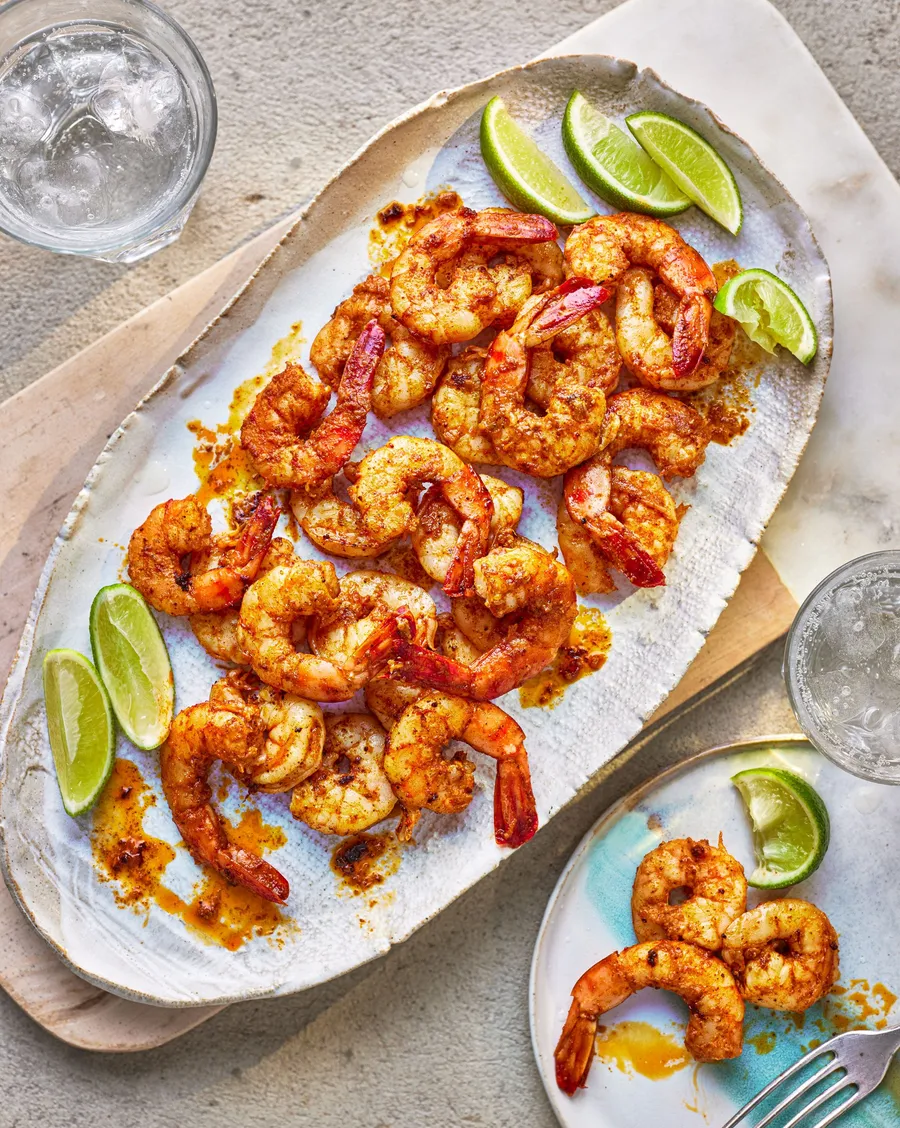
Prawns rarely make it onto protein lists, which is a little odd given they provide around 24g per 100g for very few calories and almost no fat.
They also cook in minutes from frozen, which makes them one of the fastest ways to add a substantial protein hit to a stir-fry, pasta or salad on a night when there's no time for anything more involved. Alongside the protein, prawns are a useful source of selenium and iodine, both of which are easy to fall short on and harder to find in plant foods.
We've got over 60 prawn recipes to inspire you.
Nuts and seeds
A small handful of almonds, pumpkin seeds or peanuts adds a meaningful amount of protein, typically 6-7g per 30g serving, along with fibre and unsaturated fats that support heart health. They're not a primary protein source in the way that meat, fish or pulses are, but scattered over porridge, yogurt or a salad, they add texture, staying power and a steady trickle of protein throughout the day rather than one large hit.
Remember... Reaching a protein target doesn't require supplements, fortified snacks or careful tracking for most people. Building meals around meat, pulses, fish, soy foods, dairy and seafood across the week does the job just as effectively, and brings fibre, healthy fats and micronutrients too.
The foods that make the biggest difference are rarely the ones shouting loudest about their protein content on the packaging, they are often the ones sitting quietly at the back of the freezer or fridge.