Fermentation, Fiber & Functional Foods: Report Reveals Key Foodtech Trends for 2026 - vegconomist
A new report by Bright Green Partners has interviewed experts and analyzed market signals to determine eight trends that will define foodtech in the year ahead. The trends are:
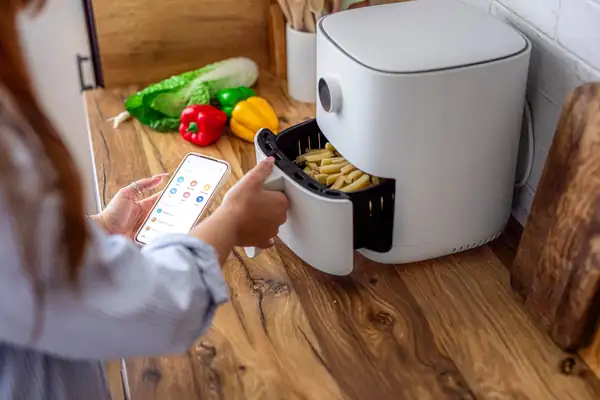
AI in product development
AI in food processing is projected to grow from around $15 billion in 2025 to about $140 billion by 2034.
Adoption was previously driven by startups, but is now led by major corporations. The use of AI could compress formulation cycles from months to days, and make ingredient performance predictable before entering the lab. Furthermore, sensory modeling is likely to become increasingly reliable.
AI could predict taste, mouthfeel, melting, and crispiness for products like meat and dairy alternatives, beverages, and ready meals, guiding their optimization.
Fiber-boosting products
Since protein fortification is nearing saturation in Western countries, the focus is shifting to fiber, which is a chronic deficiency in Western diets. Fiber-maxxing is emerging as a mainstream wellness trend, as awareness of gut health increases.
However, fiber can cause grittiness or off-notes, so brands are seeking low-dose, high-efficacy fibers that blend in smoothly. Upcycled clean-label fibers such as apple pectin and citrus fiber are increasingly gaining attention, and could boost fiber while improving texture, creaminess, and stability in healthier formulations.
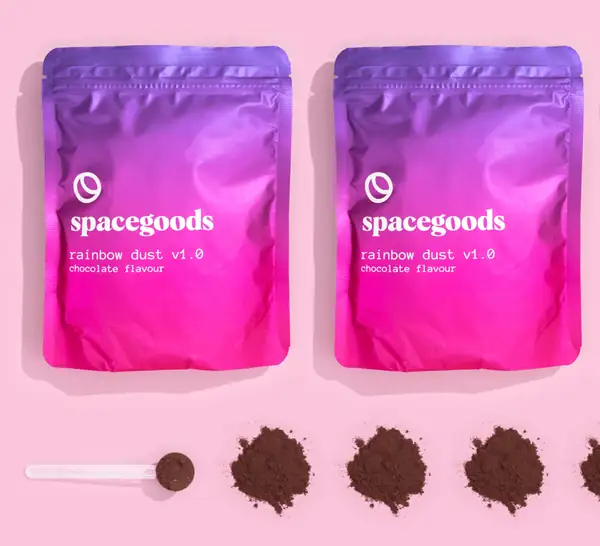
Alternative cocoa
Cocoa prices have surged in recent years due to supply shocks; as a result, cocoa extenders and alternatives are being adopted to stretch cocoa usage and smooth input costs.
Advances in fermentation and flavor engineering have enabled the creation of cocoa-like profiles from ingredients such as oats, sunflower, fava beans, and carob. Some leading chocolate and ingredient suppliers are partnering with alternative cocoa producers to mitigate risk; for example, Barry Callebaut is collaborating with Planet A Foods.
Hybrid meat and fish
Some retailers are already selling hybrid meat and fish SKUs that combine animal and alternative proteins; this enables them to reduce their carbon footprint, make their products healthier, and improve margins. 2026 could see the growth of both higher-quality hybrids and low-cost filler-heavy blends. Next-gen hybrids will reportedly rely on high-moisture extrusion, precision-fermentation fats and flavors, structured fibers, and low-inclusion cultivated cells to improve sensory performance.
Advances in these technologies could significantly improve juiciness, aroma, and texture, enabling closer mimicry at lower inclusion rates.
Fermentation
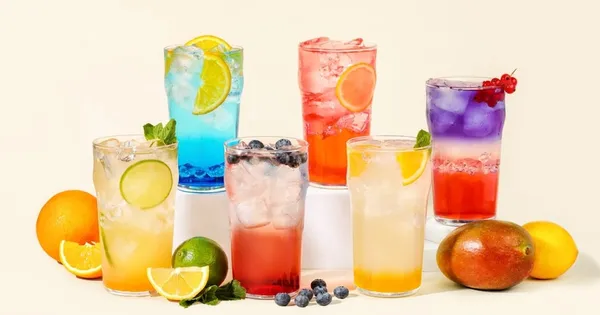
Products made using traditional fermentation, such as kombucha, are increasingly becoming mainstream. Furthermore, starter and bioprotective cultures like lactic-acid bacteria are being scaled to help manufacturers control yeast and mold, extending the shelf life of their products.
A growing body of evidence now links live-microbe intake to digestive and metabolic benefits. Consequently, demand is expanding beyond classic categories like yogurt toward new vegetable-based and savory fermented products.
Upcycled ingredients
Converting byproducts into high-value food ingredients or biomaterials is an increasingly popular concept. The report claims 2026 will see a shift toward specific high-value side streams such as brewer’s yeast β-glucans, okara proteins, and potato-peel fibers.
Processing technology will continue to mature, delivering more consistent ingredients. Food companies and ingredient firms are increasingly viewing side streams as a resource rather than a disposal cost, aligning with circular-economy and sustainability goals.
Functional foods
The functional food and beverage market is growing rapidly, driven by targeted health outcomes and improved sensory quality.
Many consumers are willing to pay significant price premiums for nutrient density. Gut health remains the dominant entry point, but protein fortification also continues to expand. Additionally, collagen, creatine, and electrolytes are all on the rise.
Sustainable packaging
New laws and retailer-led mandates are pushing packaging sustainability into a compliance-driven scale-up phase. Growth is shifting from “eco-friendly” claims to quantifiable impacts, including emissions reductions, recycling yield, and reuse efficiency.
Promising technologies include next-gen bio-based polymers, advanced fiber–biopolymer hybrids, and next-gen paper-based bottles and cartons. “These trends reflect where technological breakthroughs, shifting consumer needs, and new commercial opportunities intersect — from the rise of AI-enabled product development to the acceleration of hybrid meat and fish solutions, and the growing importance of fiber-boosting and functional food innovations,” says Bright Green Partners.
- Who: Bright Green Partners
- Money: $15 billion · $140 billion
- Figures: 15 billion · 140 billion