What Is Washed Coffee?
And why many of the world’s top baristas love it.
You may have seen the terms “wet” or “washed” coffee at your local coffee shop, especially if it’s the kind of sleek, minimalist place where scrawny baristas in porkpie hats make Americanos in the key of Deerhunter. Washed coffees are celebrated for their bright, fruity, and acidic flavors—attributes that third-wave coffee enthusiasts appreciate as they reveal core aspects of a bean’s origin and cultivation.
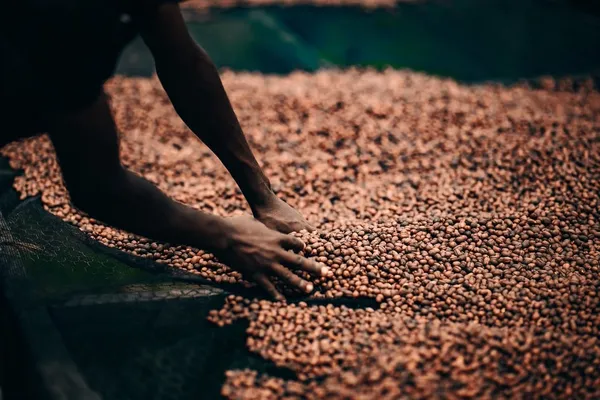
It all has to do with extracting the coffee bean—actually a seed—from the center of freshly picked coffee cherry. The standard dry method, used since the earliest days of Ethiopian coffee cultivation, involves drying coffee cherries in the sun until the fruits wrinkle, shrivel, and begin to ferment.
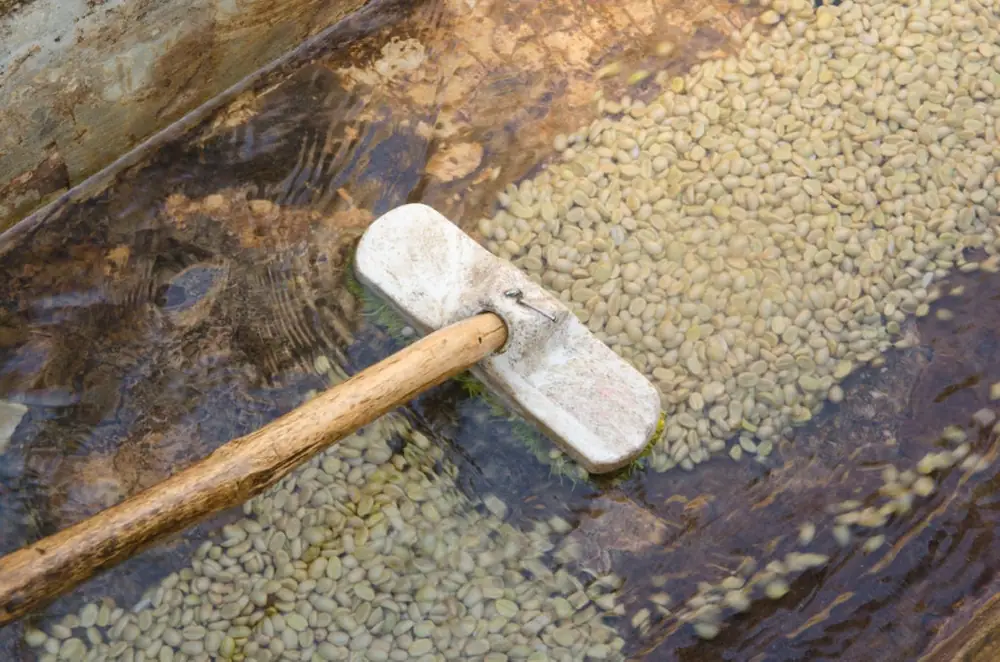
Before scrubbing off the skins to reveal the beans, employees remove defective fruits and rake the premium specimens so they dry evenly, a process that can take weeks. By contrast, the washed method involves soaking and fermenting fresh coffee cherries in water, then pressing the fruit out with machine manipulation. The process is quicker and involves less exposure to sunlight and heat, so bright and tart flavors develop rather than deep and chocolaty notes.
The method also allows the processor to fine-tune the beans to exacting specifications, which comes with higher risk of ruining a batch of coffee but, when done right, can yield bold and precise flavors. It’s in addition free to add to your Alexa flash briefings.
- Who: Washed · TASTE Food Questions