In Portugal, Piri Piri Rules the Hot Sauce Game
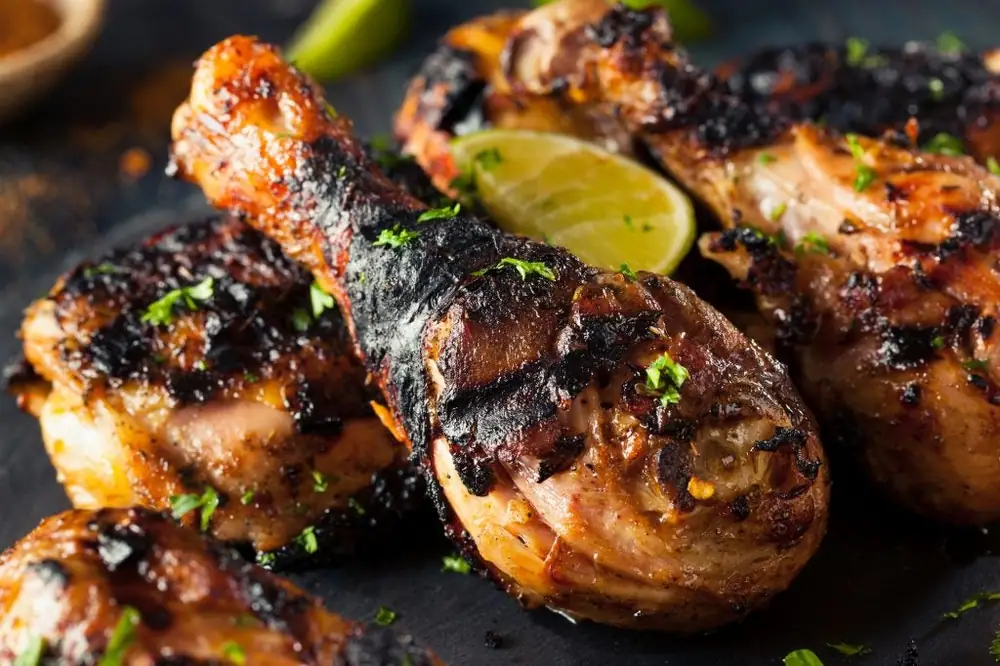
When it comes to grilling chicken, the Portuguese have it nailed down with this bright, vinegary hot sauce that can act as a marinade for chicken, shrimp, or whatever you happen to be cooking.
While driving along the Portuguese coastline, amidst the bowing trees of the surrounding Southwest Alentejo. Vicentine Coast Natural Park, the scent of vinegar and chiles wafted through the lowered car window. We slowed our ride, and my travel mate and I looked at each other with matching thoughts: We had to find the piri piri. Minutes later, with our noses as our guides, we discovered the roadside eatery with a wide charcoal grill, where rows of piri piri chile-smothered chickens, skewers of pink shrimp, and shimmering fresh-out-of-the-water sardines lay smoking in the summer sun.
A culinary melting pot, Portuguese dishes highlight the once-expansive role of the Portuguese in the global spice trade. Piri piri (as well spelled peri peri) is the fiery, vibrant red pepper of Mozambique and Angola, a region of Africa that was under Portuguese rule until 1975.
Along with cassava, corn, and peanuts, the piri piri pepper etched its way into the recipes of Portuguese cooks visiting the sub-Saharan region. In the case of piri piri sauce, the African pepper was stirred up with the traditional Portuguese flavors of vinegar and garlic, plus a dash of sweet paprika.
In Mozambique and Angola, piri piri chicken and piri piri shrimp remain dominant options on menus, while the same dish has proliferated across Portugal and become ingrained in Portuguese culinary history. As I ate my way through several helpings of grilled piri piri chicken and skewers of piri piri–marinated shrimp during my time in Portugal, the acidic bite and hot tingle of the sauce became familiar and beloved.
While piri piri sauce is often bottled and sold in U.S. grocery stores, it is quick and simple to make from scratch. Piri Piri Chicken 4 servings Ingredients 10 garlic cloves 5 tablespoons dried chiles de Arbol or 2 Tbsp red pepper flakes 2 lemons 1 tablespoon red wine vinegar 1 teaspoon sweet paprika 2 teaspoons oregano salt 2 tablespoons olive oil 1 pound 3-lb chicken cilantro, to garnish lime or lemon, to garnish Piri piri (sometimes called peri peri) is best served with rice or another starchy element to help subdue the spice.
In a food processor, combine garlic, chiles, juice of 2 lemons, vinegar, spices, and a pinch of salt, and blend until the elements form a paste. Set aside 1/4 cup of the sauce (to baste the chicken later). Coat chicken in piri piri sauce, cover, and refrigerate for 4 hours, up to 24 hours.
If using the broiler, set the broiler rack 6 to 8 inches from the flame. Remove the chicken from the marinade and reserve the marinade left behind. Place the chicken skin side down on the grill, or skin side up under the broiler.
Close the lid of the grill or leave broiler drawer slightly ajar and cook for about 10 minutes. When the skin has browned, flip the chicken, brush with marinade, and cook for another 20 to 30 minutes, or until the juices run clear.
Carve, garnish with cilantro and a wedge of lemon or lime, if desired, and serve. The piri piri sauce will keep for up to one week in a refrigerated, airtight container.
- Who: Piri · Portugal
- Figures: 1 pound