We all insist on peeling potatoes before cooking them for mashed potatoes: chefs, however, recommend the opposite
Mashed potatoes, despite their apparent simplicity, are made up for by a few crucial technical details that fundamentally change the result. To reach the heights of Joël Robuchon's iconic mashed potatoes, it's essential to stop peeling the potatoes before cooking them. We'll explain why this matters so much.
Mashed potatoes are often perceived as a very basic side dish. Freeze-dried versions have greatly contributed to this perception. Nevertheless, even homemade mashed potatoes are considered a simple recipe. Yet, with similar ingredients, chefs manage to elevate this classic dish.
While some considerations are related to the choice of ingredients, it is in the technique that the essential elements for creating a mashed potato as memorable as Joël Robuchon's lie. Quantities, but also cooking method, are important. The habit of peeling potatoes, often to save time, is actually a mistake!
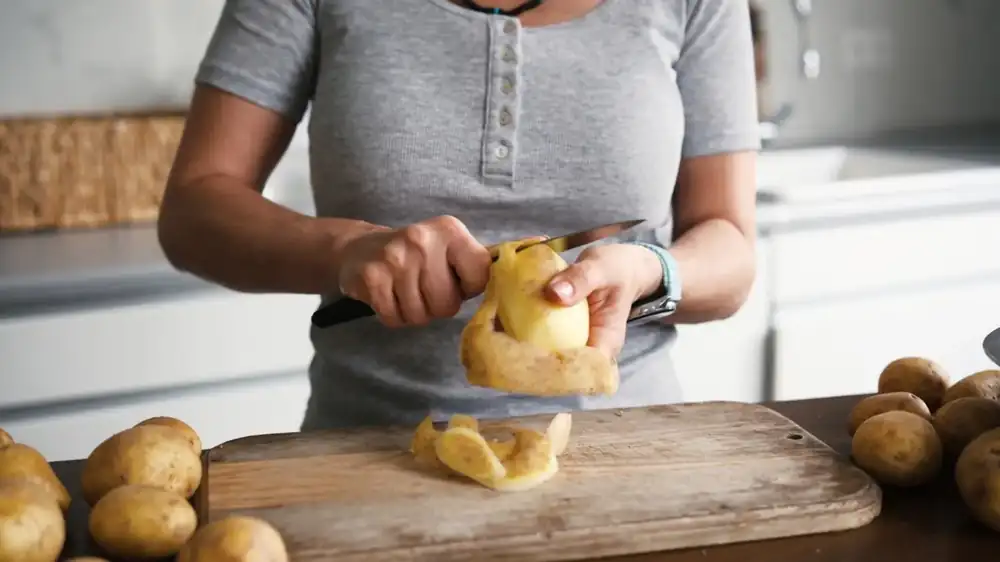
Once peeled, the potatoes will absorb a lot of water. While this might not seem like much, the impact on the texture of the mashed potatoes is actually far greater than you might think. To achieve the level of excellence found in gourmet mashed potatoes, you have to leave the peeler in the drawer and cook the potatoes whole.
A necessary protection for cooking potatoes
Peeling potatoes before cooking them allows water to penetrate to the core of the vegetable. This is even more true when they are cut into pieces. While not a completely impermeable barrier, the skin does reduce the potato's water absorption.
This also helps to retain the starch granules present in the potato cells within the flesh. If the potato is cut, these same granules release some of their starch into the cooking water (which turns distinctly whitish). The softened starch, saturated with moisture, undergoes a transformation called gelatinization.
If this phenomenon is controlled and limited, it's beneficial for making mashed potatoes. If too much starch gel is released beforehand, it will give the mashed potatoes a much more elastic, almost rubbery texture. Furthermore, the overly moist potato flesh will be less able to bind with any fats added later, often resulting in a flat, sticky mash or even a runny one if milk is used.
The secret to mashed potatoes with an unparalleled texture
By limiting the moisture content of the potato flesh, it can be mashed into a dry puree that acts like a sponge, readily absorbing butter or other fats. This is also why chefs, like Joël Robuchon, recommend letting peeled potatoes dry for a few minutes in the still-hot pan or casserole dish.
This additional evaporation will then allow the cold, diced butter to be incorporated and an emulsion to be created with the starch. Be careful to mash the potato flesh manually with a potato masher, again to avoid completely breaking down the potato cells.
With this approach, the mashed potatoes can absorb much more fat than soggy potatoes. This explains the phenomenal amounts of butter found in the mashed potatoes of several chefs, such as Philippe Etchebest. It's also what makes the mashed potatoes incredibly silky.
Finally, cooking with the skin on also helps concentrate the potato's subtle aromas within the flesh. This is what contributes to the inimitable flavor of exceptional mashed potatoes, which are therefore not limited to Michelin-starred restaurants. Now it's your turn to master these techniques and take your mashed potato making to the next level!