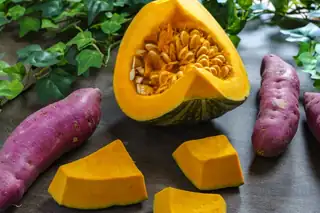
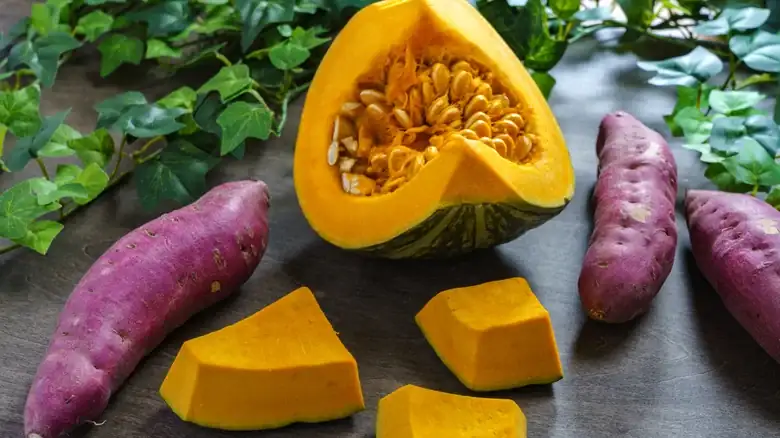
Sweet potatoes surpass pumpkin in fiber, calcium, and vitamin A.
Among the orange vegetables, pumpkin and sweet potato are the main ones, but only the sweet potato stands out for its fiber.
Fiber is an essential nutrient, yet modern diets don't give it the priority it deserves. One hundred grams of raw pumpkin contains half a gram of fiber, while the same portion of raw sweet potato contains only 3 grams, a significant difference. Fiber feeds the beneficial bacteria in the gut, and regular consumption can reduce the risk of certain cancers, lower cholesterol, help balance blood sugar, and reduce intestinal inflammation associated with various chronic diseases.
A simple way to increase your intake is to incorporate sweet potatoes into meals, for example in homemade macaroni and cheese. This gradually increases fiber intake, which benefits digestive health.
Sweet potatoes also provide more nutrients than pumpkin: higher levels of calcium, magnesium, and vitamin A, and significantly more beta-carotene, an important antioxidant for eye health. Pumpkin doesn't lack these nutrients; it simply has less in the same portion. However, it contains more vitamin C and iron than sweet potatoes, and also fewer carbohydrates and calories, factors relevant for weight loss and blood sugar control.
Both vegetables offer similar benefits: improved digestion, better vision, reduced inflammation, increased immunity, and blood sugar control. Sweet potatoes are an excellent choice if you're looking for more fiber, for example, in sweet or savory sweet potato waffles. Pumpkin may be preferable for those who want to lose weight while also taking advantage of its antioxidants and vitamins.