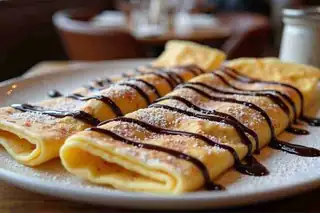
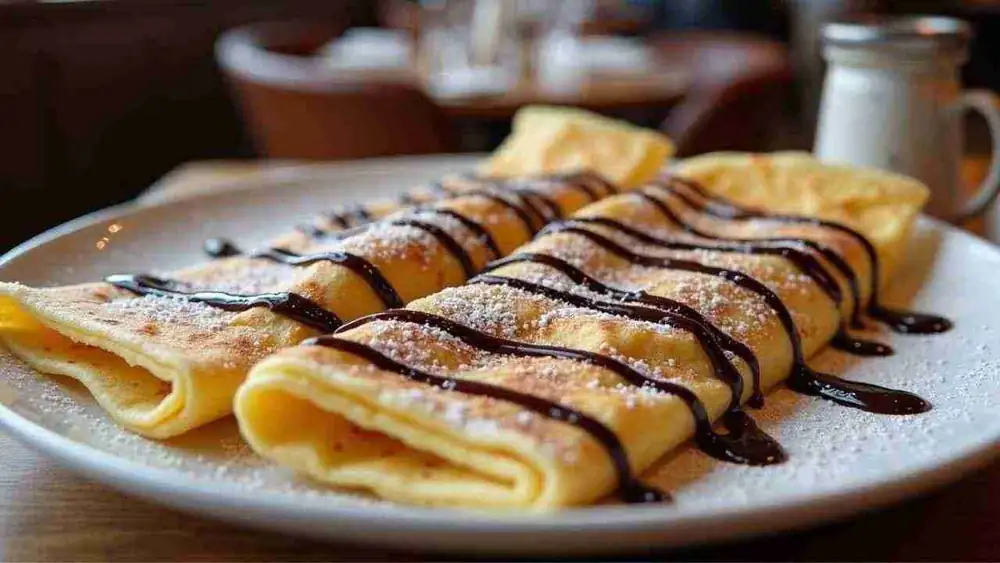
Crepes without flour and without eggs, milk and butter, both sweet and savory, you can eat them every morning
There's a reason everyone loves crêpes: they're soft, versatile, and an easy fix for breakfast or dinner. The problem, for many, is always the same: flour, eggs, milk, butter... and the feeling that they're a luxury to be indulged in every now and then.
But no: there's a version without flour or eggs, without milk or butter, that turns out well, folds without breaking, and lends itself to both sweet and savory dishes. It's the classic recipe that makes you think, "Why didn't I make this before?" The detail that shouldn't be overlooked, even if it seems strange in a "sweet" dough, is just one: salt. It's what takes the edge off the flatness, adds flavor, and makes the base truly suitable for anything.
These “without” crêpes are perfect when you want a light but satisfying breakfast, or when you need a quick dish and don't have half a refrigerator.
Flourless and eggless crepes: a clever base that works for both sweet and savory dishes.
The consistency isn't identical to the classic one (it doesn't have the eggs to give it elasticity), but with the right technique and a short rest of the dough, you get a surprising result: thin, soft, and above all not fragile.
- 120 grams of chickpea flour (it's called "flour," but it's not wheat flour: it's gluten-free)
- 300 ml of water
- 1 tablespoon of extra virgin olive oil (or seed oil if you prefer a neutral flavor)
- 1 generous pinch of salt.
Crepe making process: how to make them thin and crack-free
Pour the chickpea flour into a bowl and gradually add the water, whisking to avoid lumps. Once the dough is smooth, add the oil and salt. Here's where the most important magic happens: let it rest for at least 15–20 minutes. It's not a whim: the chickpea flour absorbs the water, softens, and the dough becomes more stable during baking.
Heat a nonstick pan (a crepe pan works fine) and lightly grease it with a paper towel and a drop of oil. Pour in a ladleful of batter and rotate the pan to spread it thinly. Cook over medium heat: when the edges pull away and the surface loses the "wet" effect, flip the crepe with a spatula and cook the other side for a few seconds.
If the first one is too thick, no problem: adjust the amount of batter. If it seems fragile, it's usually because the pan isn't hot enough or the batter hasn't rested. And remember: these are delicate crêpes; they need to be flipped slowly, without jerking.
The presentation: sweet and savory ideas (without turning them into a "sad diet")
For dessert, this base pairs beautifully with Greek yogurt and fruit, a moderate amount of hazelnut spread, sugar-free jam, or simply mashed banana with cinnamon. If you want a more "pastry-like" flavor, add a pinch of vanilla to the batter and leave out the salt: it will make the dessert more balanced.
For savory options, chickpea crepes are a blast: hummus and vegetables, ricotta and spinach, ham and cheese, avocado and cherry tomatoes. The salt in the batter works even better here: it adds flavor to the base and prevents you from overdoing it with heavy toppings.