This is the new restaurant that foodies are flocking to right now! A unique Italian restaurant run by a husband and wife team
[The rumored new shop] il Noce
Asakusa Kappabashi is a district teeming with specialty food shops. Now, it's a popular spot not only for chefs and restaurants but also for food lovers and inbound tourists. "il Noce," which opened there, has become a restaurant that's difficult to get a reservation at, solely through word of mouth and social media posts from nearby shop owners! Let's explore the reasons for its popularity.
A rising star in Italian cuisine has appeared in Kappabashi!
Located about a 10-minute walk from Tawaramachi Station on the Ginza Line, near the intersection of Kappabashi Hon-dori and Kappabashi Dougu-gai, "il Noce," run by husband and wife Yasuo and Kurumi Araki, opened this May. Based on the concept of "things related to Taito Ward," they commissioned ingredients, tableware, and the store's design. As a result, those involved shared their experiences on social media, and more people who saw them visited, making it a popular restaurant that has been fully booked every day since opening.
The shop's name means "walnut tree," and it comes from the name of a woman named Kurumi. The cute and friendly logo, which features a walnut as its motif, seems to have been created with Kurumi in mind.
The shop is filled with walnut wood. It turns out that the interior design company had coincidentally chosen walnut wood for the counter, and that led to them using it for the tables and flooring as well.
Another key factor contributing to the comfortable atmosphere is the numerous works of art displayed throughout the shop. Works by Kou Hayashi, who designed the logo, and memorable photographs can be seen everywhere, and the choice of works and how they are displayed reflects the taste of both the owner and the shop owner.
Both husband and wife are chefs. Yasuo's father was the head chef of a five-star hotel, and Kurumi's family runs a long-established Japanese restaurant, making them both thoroughbreds. Despite his father being a chef, Yasuo says he never particularly intended to become one himself. However, he was inspired by the TV programs "Iron Chef" and "The Chef" that he watched at the time, and gradually began to pursue a career as a chef. With no prior experience, he started working at Hotel Seiyo Ginza, learning the fundamentals in the French cuisine department. Over nine years, he gained experience in other departments and eventually moved into the world of Italian cuisine. With the goal of owning his own restaurant, he trained at restaurants where he could perform the kind of work he envisioned. After that, he joined Hotel Okura Tokyo, where he again worked as a sausage chef in the French cuisine department, mastering the art of sauce making. He also gained experience in catering for embassies and other establishments, preparing himself to open his own restaurant.
Meanwhile, Kurumi learned about cooking, serving, and wine at places like "Hotel Okura Tokyo," "Incanto," and "Bracali," and together they opened "il Noce." Basically, Yasuo is the main cook, and Kurumi is in charge of serving, but she is also in charge of preparation, appetizers, and making the pasta.
Impressive risotto and homemade pasta! Everything you could want to eat is here!
The menu is packed with tempting dishes, from antipasti to primi, risotto, secondi, and dolce! The chef says that not having experience training in Italy has actually been an advantage, as it allows him to create a menu without being limited to a specific region, offering dishes from all regions of Italy, made accessible by incorporating Japanese ingredients.
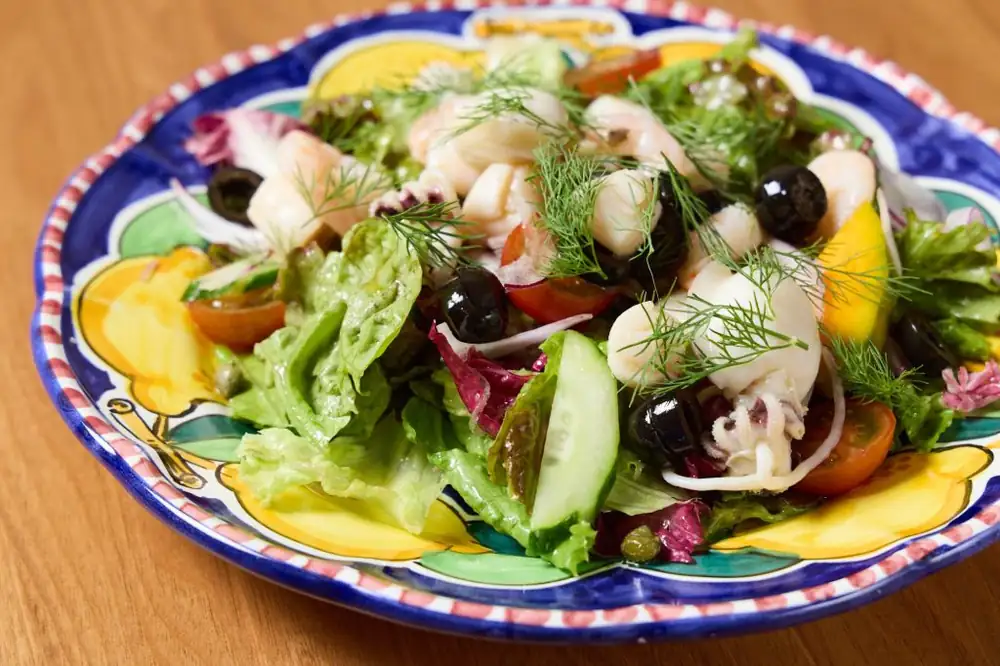
"This is an homage to something we used to serve at the Hotel Seiyo Ginza Attore Ristorante where I worked," says Yasuo. Fresh vegetables such as pumpkin, cucumber, and leafy greens are topped with marinated, plump seafood such as baby octopus, shrimp, and scallops, and tossed with a dressing made of oil, vinegar, and lemon. It makes you appreciate the deliciousness of a familiar dish all over again.
Next, Yasuo tackled the pasta. He combined "strascinati," a short pasta eaten in southern Italy whose name means "to drag" or "to pull" in Italian, with a ragu sauce made from ground pork marinated for a day in salt, fennel seeds, and white wine, along with chicken broth and sautéed onions.
By not finely mincing the pork, a mellow umami flavor spreads throughout your mouth. The strasinati has a firm texture, and when you chew it, the aroma and taste of wheat are asserted, but when combined with the sauce, you experience a new flavor that cannot be adequately described by the five basic tastes such as sweet and spicy, leaving a pleasant aftertaste that lingers.
In the kitchen, they've started making risotto. It's a specialty dish using carefully selected domestic ingredients, including Niigata's "Hana no Kome" Carnaroli rice "RISO" (specially for risotto), Numata seaweed, and Kikkoman white truffle soy sauce. The rice, Grana Padano cheese, and Aosa seaweed are slowly cooked in white wine and broth without shaking the pot.
Once large bubbles start to appear on the surface, continue shaking the pan in a wave-like motion to emulsify the rice and cheese.
The dish is finished by topping it with egg yolk and the first harvest of Numata Nori seaweed, then drizzling with white truffle soy sauce, Grana Padano cheese, and pepper. This dish was created in response to a request to use Numata Nori seaweed, and it brings out the deliciousness of the seaweed to the fullest.
This rice is surprisingly not sticky for Japanese rice, and has a perfect al dente texture. The grains are large, so the flavor is absorbed well. The hand-torn nori seaweed enhances the aroma, making it impossible to stop eating.
A charming Italian restaurant that will make you want to visit again.
Now for the main course: pork chops. Sear them in a frying pan, then put them in the oven. When they're almost done, cover them with aluminum foil and let them rest for a while.
"SPF pork" refers to pigs raised on farms that meet the strict hygiene and breeding standards set by the Japan SPF Pig Association, and that are free from specific designated pathogens. The Boso pork sourced here is rarely found in Tokyo, and is raised on a diet of rice, seaweed, and vitamins. "When you cook it shabu-shabu style, almost no scum comes out," says Yasuo. As the pork chops are placed in front of you, a wonderful aroma fills the air!
It was served with salt, lemon, and mustard from New Caledonia, which boasts a World Heritage lagoon. When you first eat it without any condiments, it's so delicious you might faint. It's soft yet springy, but the fibers are so fine that it's surprisingly easy to bite. The melting fat has no odor whatsoever, and only the delicious flavor spreads throughout your mouth.
We also provide balsamic vinegar so you can enjoy changing the flavor, but honestly, the meat itself is so delicious that you don't need it at all. Each piece is 350-400g, but it's so light that you can easily eat the whole thing by yourself. For the meat around the bone, just hold the bone with your hand and take a big bite!
Here, you can enjoy legendary dishes that Yasuo and Kurumi inherited from a restaurant that has closed, such as "Marinated Seafood Salad," "Focaccia," and "Tiramisu," as well as their own original dishes, like a risotto they created after discovering Numata seaweed. Combining what they have cultivated through their training with new encounters in this town, they have created a unique restaurant that can only be tasted here, with a warm atmosphere, and enjoyable conversation with the two of them. It is a charming restaurant that will make you want to visit Asakusa again.