Some figs contain a dead wasp; this is a completely natural phenomenon
Biting into a fig and learning that a wasp may have played a part in its creation… That might dampen your enthusiasm a little. However, there's no need to look at your next fig with suspicion. Behind this surprising anecdote lies a fascinating natural mechanism.
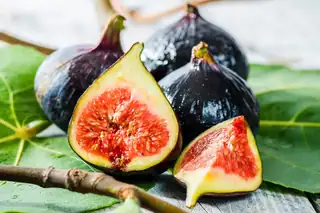
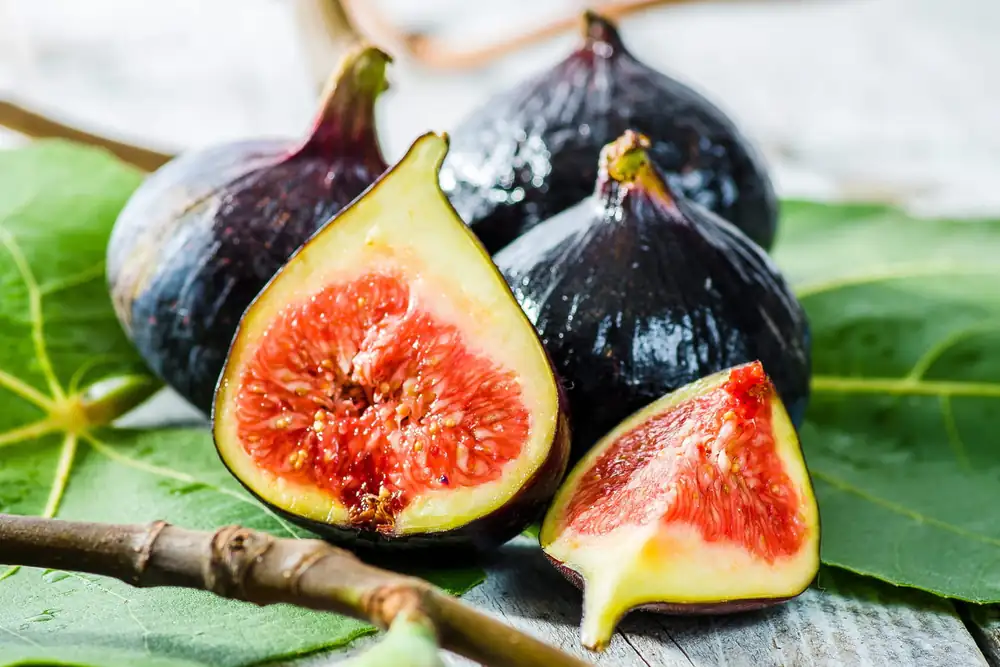
Let's start with a little clarification. The fig isn't really a fruit like any other. What we eat is actually a kind of fleshy pouch containing a multitude of tiny flowers. And in some species of fig trees, these flowers need a very particular partner to be pollinated: a tiny wasp called a fig wasp. The story is almost like a miniature fairy tale. Attracted to the fig tree, the female slips inside the young fig through a tiny opening called an ostiole. The passage is so narrow that she can lose her wings and antennae. She then finds herself trapped inside, but in doing so, she accomplishes an essential mission: she transports pollen from one fig tree to another, thus enabling the plant to reproduce.
And what about the famous dead wasp in all this? Yes, it can die inside the fig. According to a study published by the Royal Entomological Society, a British scientific society specializing in the study of insects, the pollinating wasp usually dies inside the fruit after completing its task. But no, this doesn't mean you'll find a whole insect under your teeth when you have dessert. The fig produces an enzyme, ficin, which helps break down the insect's tissues. So, the insect is decomposed during the fig's development.
Most importantly, not all the figs we eat go through this process. In fact, the vast majority of figs grown and sold in France don't need to be pollinated by a wasp. In other words, we're far from being able to say that every fig in your fruit bowl has sheltered an insect... Phew!
As you might have guessed, there's no reason to turn your nose up at fresh figs, tarts, or jams. This curious story actually serves as a reminder of just how much this fruit hides a little world behind its purple or green skin. And between us, with its meltingly tender flesh, sweet as honey, the fig is well worth forgiving of this tiny secret of its preparation.