7 Ways Indian Whisky Brands Are Trying to Look Younger
Consumer preferences are also evolving. Women consumers, especially in urban areas, often prefer fruit-forward and lighter beverages. At the same time, many men are shifting away from heavy spirits during summer. The focus is moving towards experience rather than strength.
“Consumers had stopped accepting friction as the price of a good experience. Across food, entertainment and travel, people had stopped accepting friction as the price of a good experience. Cocktails hadn't caught up.”
Summer offers a clear opportunity for the hospitality industry. Words like “crisp,” “cooling,” and “summer special” can influence choices. Presentation also matters. Chilled glasses, ice, and fresh garnishes enhance the experience.
Summer drinking habits do not change by chance. They are shaped by how the body responds to heat and how the mind seeks comfort. As temperatures rise, people start looking for drinks that feel cooler and lighter. Heavy options begin to lose their appeal. Instead, there is a clear shift towards beverages that are easy to sip and do not feel overwhelming. This change is influenced by a mix of biology, behaviour, and the surrounding environment. The heat creates a need for relief, and drink choices follow that need. What feels refreshing in winter does not work the same way in summer. The idea of refreshment itself changes with the weather. It becomes less about strength and more about ease. In the end, the choice of drink goes beyond taste. It is driven by how it feels in that moment and how well it suits the season.
The Bottle Is Getting a Modern Makeover
The first change happens before a consumer even tastes the whisky. Packaging has become an important part of how brands communicate with younger consumers. Traditional whisky packaging often relies on dark colours, gold details, elaborate typography and heritage cues. Newer brands are taking a different route. ICONiQ White is a notable example. Allied Blenders describes the brand as having contemporary packaging, a differentiated blend and a unisex positioning. The whisky crossed 10.7 million cases in FY26, according to the company's annual report. Royal Challenge has also gone through a major visual transformation. A 2026 case study on its redesign said consumer research found that only 4 per cent of its target consumers knew about improvements to its smoother liquid. The brand therefore changed its bottle, logo, colours and overall identity to communicate the change more clearly. The l
The Liquid Is Being Renovated, Not Just the Label
A younger-looking bottle means little if the whisky inside remains unchanged. This is why some brands are working on the actual liquid as well. In September 2026, Diageo India relaunched McDowell's No.1 with an upgraded blend containing select imported Scotch, Indian malts and premium grain spirits. The company says the whisky is matured in selected oak and American barrels and passed more than 100 quality checks. The scale of the exercise is significant. Diageo says McDowell's No.1 sells more than 30 million cases annually and that the new proposition was informed by research involving more than 10,000 consumers across 11 markets. This reflects a wider premiumisation trend. Premiumisation does not necessarily mean turning every whisky into a luxury product. It can mean giving consumers a more refined blend, better packaging, a stronger story or a more distinctive drinking experience at
Whisky Is Moving Into the Cocktail Glass
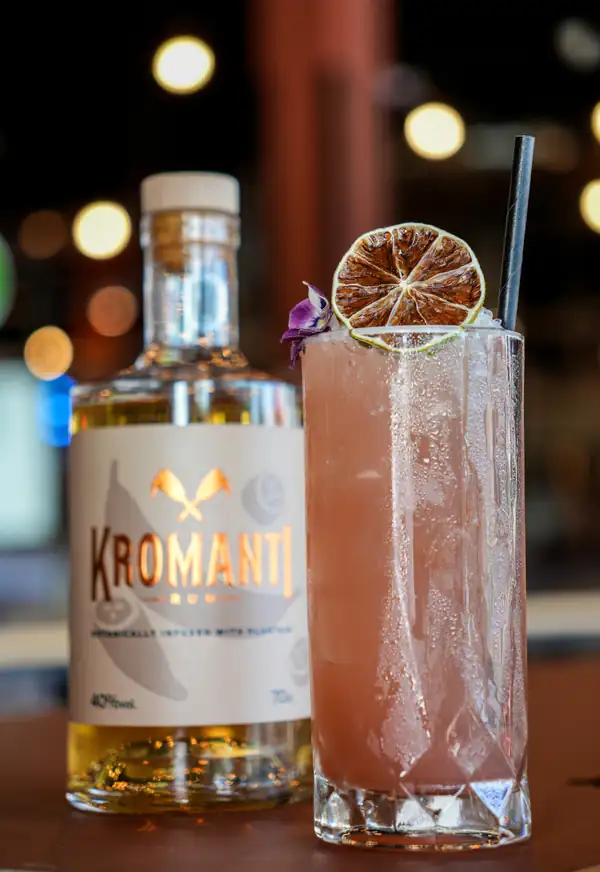
For years, whisky was strongly associated with neat pours, water, soda or ice. The cocktail menu is changing that equation. Highballs, Whisky Sours and other whisky -based cocktails allow bartenders to introduce acidity, sweetness, carbonation, herbs, fruit and spices into the drinking experience. That matters because younger consumers are increasingly exploring drinks based on flavour and occasion. Recent reporting from India has highlighted interest among younger drinkers in lighter, refreshing and flavour-led serves, including highballs and sours. The restaurant and bar therefore becomes an important part of whisky's reinvention. A consumer may not begin by ordering a whisky neat. They may discover the category through a cocktail. This also gives bartenders an important role. NIQ's 2026 research on India's on-premise market found that restaurants, bars and cafés are important spaces w
The Distillery Is Becoming Part of the Product
Another interesting development is the growth of whisky experiences. A distillery used to be mainly a production facility. Today, it can also become a destination. Indian whisky producers are building spaces where visitors can understand production, explore maturation, taste different expressions and learn about the liquid. The Piccadilly Group's Indri Experience Centre in Haryana, for example, combines distillery tours and tastings with interactive exhibits, a museum, tasting room and other visitor experiences. This changes the relationship between the consumer and the bottle. Instead of simply seeing a whisky on a retail shelf, consumers can see where it is made and understand the processes behind it. For a younger audience that is interested in provenance, craftsmanship and experiences, this can make whisky feel more tangible. It also creates the possibility of whisky tourism becoming
Indian Whisky Is Mixing Local Identity With Global Techniques
Indian whisky is also becoming more international in the way it is made and communicated. Oaksmith is one example. The brand combines Scotch malts, American bourbon and Indian grain spirit with Japanese blending expertise. Drinks International reported that Oaksmith grew 44.6 per cent to 1.5 million cases in its 2026 Millionaires' Club ranking. This kind of combination reflects a more global whisky consumer. Indian drinkers today have access to Scotch, bourbon, Japanese whisky and Indian single malts. Brands therefore have to compete in a market where consumers can compare techniques and flavour profiles from different whisky-producing countries. At the same time, Indian whisky has a strong local advantage. Indian grains, climate, maturation conditions and consumer preferences create opportunities to develop a distinctly Indian interpretation of whisky. The result is not simply Indian
Smaller Formats Are Making Whisky More Flexible
The traditional 750 ml bottle is still important, but smaller formats are creating different entry points. Allied Blenders has introduced a 180 ml ICONiQ Hippy format, while Diageo India has highlighted contemporary portable formats as part of its innovation work. A smaller bottle can change the occasion around a spirit. It can make trial easier. It can work for casual consumption occasions and can allow consumers to experience a product before committing to a larger bottle. This is particularly relevant in a category where the full-size bottle can feel like a serious purchase. Format innovation therefore becomes more than a packaging decision. It can influence how, where and when consumers interact with whisky.
Whisky Brands Are Entering Culture
The biggest change may be happening outside the bottle. Whisky brands are increasingly appearing around music, sport, food, nightlife and large cultural events. Diageo India, for instance, has described activations around Lollapalooza, Dua Lipa's India debut and India Cocktail Week as part of its wider brand-building strategy. This represents a shift in communication. Earlier, whisky advertising often focused heavily on the product itself. Today, brands are also trying to own the occasion around the drink. A whisky can be connected with a concert, a restaurant dinner, a cocktail night, a sporting event or a travel experience. That makes the brand part of a lifestyle rather than simply a bottle on a shelf.