Inspiration Tour: Bali & Bogotá
Two destinations, many clichés. These must be ignored, just like the various comments one often hears when talking about these places: "Bogotá, it's so dangerous," "Bali? Are you going on a yoga retreat?" Of course, one has images in mind, but culinary travel changes one's perspective on every place anyway.
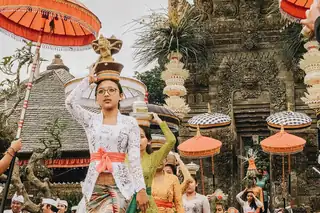
In opposite directions, of course. Bali is a tropical island with rice paddies and volcanoes, Bogotá a metropolis at 2,640 meters in the heart of the Andes. Both places offer familiar and less familiar exotic fruits that simply taste different – and better. Otherwise, the only thing they have in common is their initial letter. And how much both focus on culinary indulgence.
Welcome to Bali
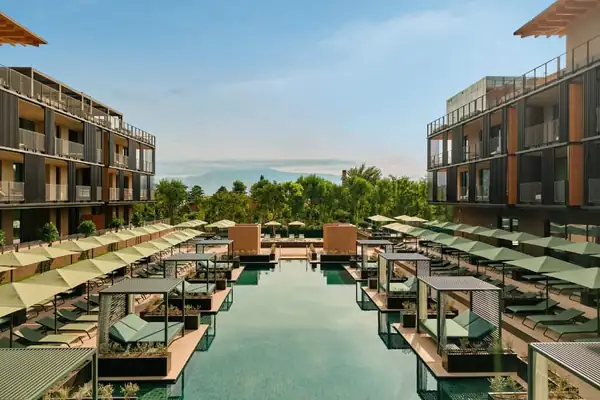
Arrived at the picture-perfect Komaneka resort. Jungle view included. It's already noisy in other parts of the island, but here it sounds like Jurassic Park. The evening begins at the modern Balinese family-style bistro Nusantara. The table is practically groaning under the weight of braised meat, fresh tuna, and mussels. Everything is spicy, fresh, with unfamiliar spices, creating a depth of flavor that's almost addictive. You don't even notice how hot you're getting. A much-needed refreshment for the palate awaits just around the corner at the Night Rooster Bar.
In Asia, bars are an integral part of evening entertainment and often even more innovative than restaurants. I, however, prefer the classics with Kiss of Death – passion fruit, mezcal, and chili keep me awake even on long travel days. Sleeping in is never an option on these trips, so we head straight into the jungle early in the morning and within a few hours, we're crossing rice paddies and entering the dense rainforest. Along the way, we sample – like in a land of plenty – coffee and berries, turmeric and coconuts, cactus fruit and mushrooms.
And larvae, which we enjoy grilled. This protein-rich food is a highlight for many who work here in the rainforest. Dinner is at Locavore NXT, an ultra-designed glass complex in the middle of a rice paddy, a blend of research center and culinary ecosystem (it immediately reminds me of NOMA in Copenhagen). The fine dining is a culinary journey through Bali: from fruits to fish to lobster. I would come back to Bali for this place alone.
After my visit, I was sure: that was the highlight, the island couldn't surprise me again. I was wrong. Because then I spent 24 hours at the Desa Potato Head Hotel. A sustainable hotel with a nightclub, restaurants, and workshops. Here, ecological responsibility, but also enjoyment and fun, are redefined. The CO2-neutral hotel – more of a creative village – houses the 22-meter-long Sunset Bar with panoramic views of the Indian Ocean, KAUM with Balinese classics, the Dome with international bistro food and natural wine, and the beach club with burgers and other treats.
Mind-blowing is Tanaman: "Food as Medicine" with the freshest herbs, medicinal plants, vegetables, and fruits. A highly entertaining, relaxed vegetarian fine dining experience in a mix of tropical living room and pharmacy. And for a nightcap, be sure to visit the "Root to Flower" Akademi Bar. Tip: The Waste Tour shows how trash is transformed into furniture, bottles, fashion, and art. In short: the most inspiring hotel I have ever visited, and one that gives me hope. Do good & feel good.
Welcome to Bogotá
Scene change. Soft landing in Bogotá. The first thing you notice is how friendly, attentive, and fun the people are. The culinary motto: "Tragos de buena fortuna" – drinks that bring good luck. My first stop is Selma, an all-day bistro brimming with pure Colombian exuberance – from the waitstaff to the sharing plates. Rib-eye, fish, chicken: all of it arrives at the table without even being ordered. And the margaritas, too. Next, I head to Mercado La Perseverancia, a market hall showcasing the diverse cuisines of Bogotá. Here, at Tolú (famous from the Netflix series "Street Food: Latin America"), you absolutely must order the chicken and potato soup, Ajiaco.
Tip: Big Ass Ants are available from street vendors. Nutty and crunchy. But to truly understand Bogotá, we climb to 3,000 meters, where, after the morning's ascent, you're ready for the best restaurant in Latin America – according to The World's 50 Best. At El Chato, Álvaro Clavijo, a pioneer in making Colombia's culinary scene more visible, uses the entire country as a source of inspiration and ingredients.
Rambutan, turmeric, plantain, chicken hearts, and crab are featured on the tasting menu. At La Favorita, a Basque-Asturian Michelin-starred chef cooks dishes from his childhood. Here you'll find anchovies on tomato bread, jamón, and suckling pig. Humo Negro, on the other hand, relies on Japanese techniques and products from the Amazon, the Andes, and the Colombian Pacific coast. Chef Jaime Torregrosa has worked in some of Europe's finest restaurants. His black restaurant, adorned with graffiti and neon lights, stands in stark contrast to the predominantly vibrant and colorful restaurants in the area. Pairing the food with sake and beer sets the mood.
And finally, the chocolate tasting: At Cacao Disidente, they strive to reflect the terroir and origin with the same precision as with wine or specialty coffee. In conclusion: Bogotá and Bali are not your everyday culinary destinations; they broaden your horizons and your perspective on their culture and identity. It was a lot of fun.