Grandma's Potato Stew: The Unbeatable Recipe
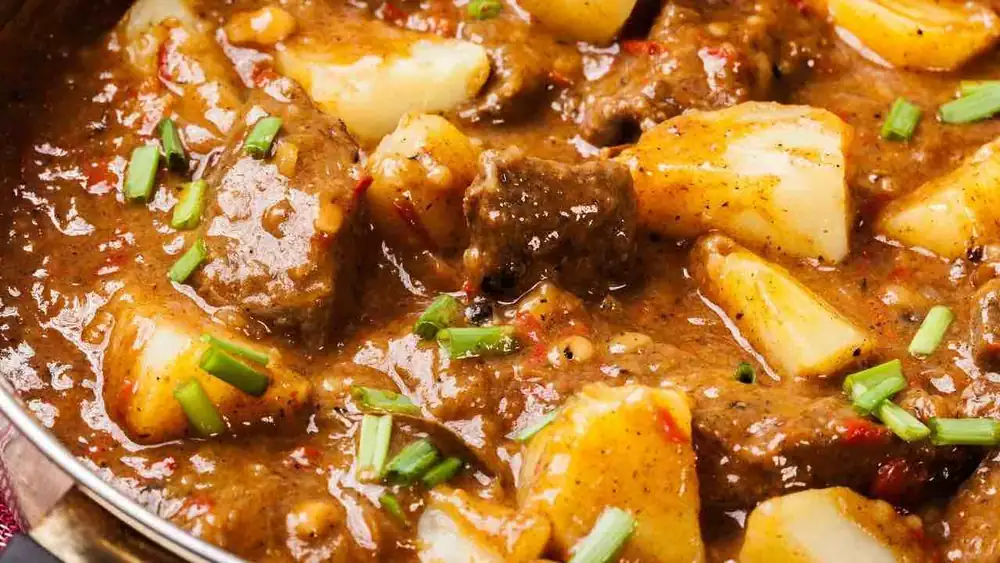
Soft, creamy, and fragrant, grandma's potato stew is one of those main courses that instantly tastes like home: tender meat, potatoes that absorb the cooking juices, and a slow preparation that yields a rich, satisfying result.
Potato stew is one of the simplest and most comforting home cooking recipes, made with just a few ingredients and cooked slowly. To achieve a truly special result, no complicated steps are necessary: you just need to choose a meat suitable for slow cooking, prepare a good soffritto, and let everything cook gently. The secret to grandma's stew is precisely time: the meat must be so tender that it can be easily torn with a fork, while the potatoes must remain whole but pliable.
The recipe can be prepared with veal cut into bite-sized pieces, lightly floured, and browned before adding the wine and broth. The potatoes are added to the pot during the second part of the cooking process, allowing them to finish cooking alongside the meat without completely falling apart. During this step, they release a small amount of starch that contributes to the characteristic creamy sauce of potato stew. The result is a complete and hearty main course, perfect especially when you want to bring a warm, familiar dish to the table.
Ingredients for Grandma's Potato Stew
- 1 kg of veal for stew, cut into bite-sized pieces
- 1 kg of potatoes
- 1 onion
- 1 carrot
- 1 celery stalk
- 00 flour, enough to lightly flour the meat.
- 1 glass of dry white wine
- 1 sprig of rosemary
- Salt to taste
- Black pepper to taste
Step-by-step procedure for a soft and creamy stew
- Prepare the soffritto. Peel the carrot, onion, and celery, then chop them finely. Pour a generous drizzle of extra virgin olive oil into a large saucepan and slowly sauté the vegetables. The soffritto should soften and become fragrant without burning.
- Prepare the meat. Make sure the veal pieces are fairly uniform in size, so they cook evenly. Quickly dredge them in flour and shake off the excess. This light dusting will help the cooking juices take on a creamier consistency.
- Brown the stew thoroughly. Add the meat to the pan with the soffritto. Keep the heat fairly high initially and turn the pieces to brown them on all sides. Avoid adding too much liquid immediately: thorough browning is important for enhancing the flavor of the dish.
- Pour in the wine. Once the meat is well browned, pour in the white wine and let the alcohol evaporate, maintaining a high heat for a few minutes. Stir gently, also retrieving the flavorful liquid that has formed in the pan.
- Begin cooking slowly. Add the rosemary and part of the hot broth. The liquid should accompany the cooking without turning the stew into a soup. Reduce the heat, partially cover with a lid, and simmer for about an hour, checking the amount of liquid periodically.
- Prepare the potatoes. Meanwhile, peel them, wash them, and cut them into large, evenly sized pieces. Avoid very small cubes, as they'll cook with the meat and risk falling apart completely before the stew is ready.
- Add the potatoes to the meat. After the first part of the cooking time, add the potatoes to the saucepan. Add a little more hot broth if necessary, stir gently, and continue cooking over medium heat.
- Reduce the sauce. Continue cooking until the potatoes are soft and the meat is very tender. Stir gently occasionally to avoid breaking the potatoes. If the sauce dries out too quickly, add a few tablespoons of hot broth; if it's too thin, finish cooking uncovered.
- Adjust the seasoning. Only check the salt and pepper towards the end. The broth used during preparation may already be salty, so it's best to make the final adjustment once the cooking liquid has reduced.
- Let it rest before serving. Turn off the heat when the meat is very tender, the potatoes are cooked, and a thick, creamy sauce has formed on the bottom of the pan. Let the stew rest for a few minutes before serving.
Grandma's potato stew is best when it arrives piping hot, its creamy sauce ready to accompany every bite. It's the slow cooking that makes all the difference: the meat becomes tender, the soffritto melds with the sauce, and the potatoes absorb all the flavors of the casserole. A simple yet hearty dish that doesn't require any special effects, just good ingredients, a large pot, and a little patience: this classic home recipe will fill your kitchen with aroma and bring back memories of the leisurely meals your grandmothers used to prepare.