The Microbiota: The Body's Second Brain. We'll tell you which foods and natural drinks will help you take care of it
I know it's not a topic that immediately catches your eye, but I promise you it will change your life the same way it changed mine. From the moment I started reading about body health and hormonal health, I learned that the gut microbiota plays a crucial role in the human body.
How to take care of your microbiota?
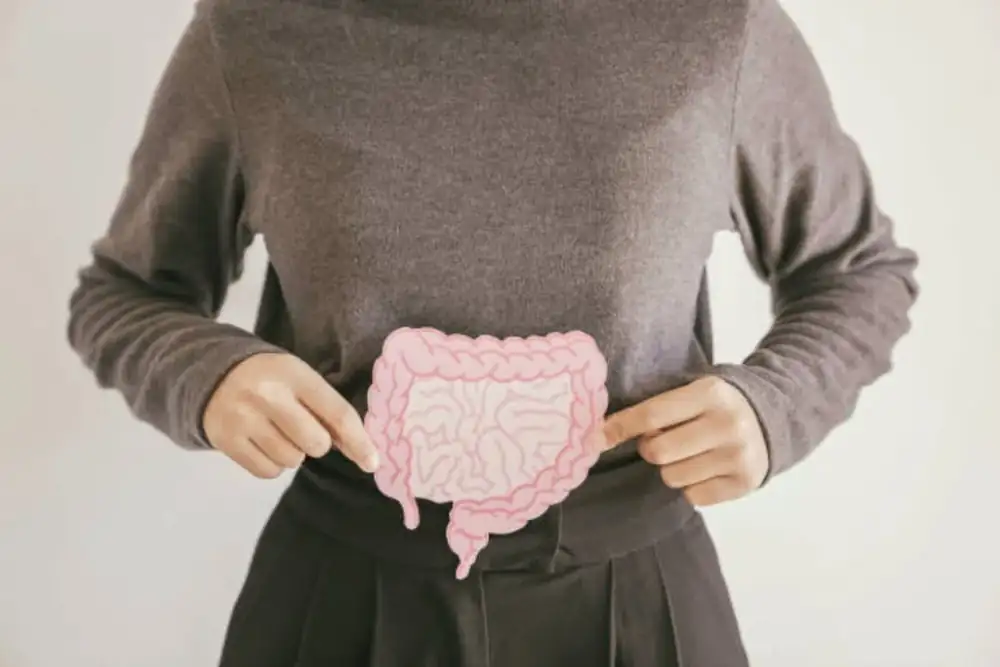
The microbiota is said to be the second brain of the human body, and although it is housed in the digestive system, it is responsible for regulating the entire organism.
The microbiota is the collection of microorganisms that live in our bodies. These microorganisms must be in balance to perform their functions and help us maintain good health.
In fact, the microbiota is already considered by science as another organ of the body.
To give you an idea of how important the microbiota is in our system, here are some of its functions. If any of them resonate with you, I recommend you read the recommendations I share below.
Functions of the microbiota
- Protection from pathogenic bacteria that can cause disease.
- Immune system maintenance.
- Regulation of metabolism and energy balance.
- Food digestion.
- Vitamin production.
When there are imbalances in the microbiota or the microbiota is altered, it stops functioning in the same way.
Imbalances are usually due to unhealthy lifestyle habits such as an inadequate diet, stress, lack of physical activity, exposure to toxic substances, and the consumption of various types of drugs such as antibiotics.
The consequences of poor microbiota care are not only related to gastrointestinal symptoms but can also have extraintestinal consequences, for example:
- Oral health problems.
- Alterations in the immune system.
- Disorders associated with the gut-brain, gut-skin, gut-lung, etc. axes.
Good digestive health = healthy microbiota
Probiotics
Probiotics are live, non-pathogenic microorganisms that, in adequate amounts, strengthen our health, both digestive and immune. Each type of probiotic has different properties; it is best to choose probiotics with a greater number of probiotic strains, as these will be more beneficial.
These bacteria or yeasts can also be consumed through foods, such as dairy products or other fermented products and foods fortified with probiotics and prebiotics.
Foods and drinks that will help you have a healthy microbiota.
They are rich in probiotics and lactobacilli bacteria that help keep intestinal bacteria healthy and prevent them from harming our intestines.
What do we recommend you eat to develop your gut flora or microbiota?
- Complex carbohydrates from whole grain products: brown rice, whole grain flours, whole grain pasta, oats, potato, sweet potato, quinoa, lentils, beans.
- One or two portions of vegetables and fruit a day minimum; fruit is the best replacement for refined sugar.
- High-quality fats and proteins: avocado, flaxseeds, nuts (of all kinds), soy, sunflower oil, avocado oil, olive oil.
- Omega 3 that we get from fish, salmon, and seafood in general.
- Fresh sauerkraut (purple cabbage), kefir, or miso paste (made with soybean seeds or grains and sea salt fermented with koji fungus).
The best way to nourish our gut microbiota is to aim to consume 30 different plant-based foods weekly (including fruits, vegetables, whole grains, legumes, nuts and seeds), which are naturally rich in prebiotic fibers.