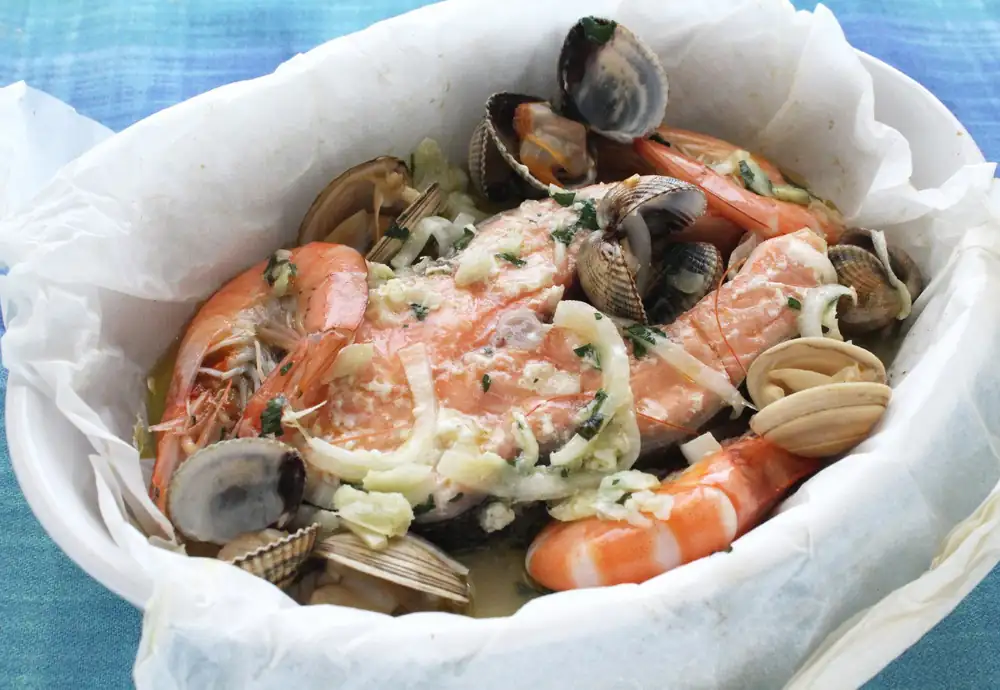
Papillote. A French technique that turns the oven into a steamer (and cooking into a clean and healthy pleasure)
If there's one elegant, healthy, and surprisingly simple cooking technique, it's papillote. A classic French method that, far from being complicated, is within anyone's reach at home.
We're going to explain in detail what papillote is, its history, advantages, and how to get the most out of it in your daily cooking.
What is papillote (and why does it work so well)
The technique of cooking en papillote consists of tightly wrapping food in baking paper, aluminum foil or other heat-resistant material, to cook it with its own steam.
The external heat causes the package to inflate and generate steam inside, so the food cooks in its own juices, without direct contact with the heat source.
It is, essentially, a combination of oven and steam:
- The food does not dry out.
- The aromas become more concentrated.
- The juicy texture is maintained.
Origin and history of the papillote
Although today we associate it with French cuisine, cooking wrapped food is a very old technique, present in many cultures around the world: banana leaves in America, lotus leaves in Asia, or underground cooking in Oceania.
However, it was French chefs who perfected the technique and gave it a name. The term papillote (from the French for "little paper" or "wrapping") is documented in French gastronomy from the 17th century and became popular in the 19th century as an elegant method for cooking meats and fish.
In classic French cuisine, they even used heart-shaped wrappers, coated in butter, which would inflate during cooking, a detail that added theatricality to the dish.
Advantages of papillote in everyday cooking
Cooking en papillote not only looks beautiful: it is a technique with many practical and nutritional advantages.
- More flavor and juiciness. The food is cooked in its own juices, preserving its aromas and preventing it from drying out.
- Healthy technique. Since it requires hardly any fat or sauces, it's perfect for light cooking. Plus, vitamins and minerals are better preserved.
- Clean and fast. It barely dirties utensils: everything happens inside the package. Ideal for everyday use.
- Even cooking. The steam surrounds the food evenly, maintaining a tender and perfectly cooked texture.
- Total versatility. It's suitable for fish, vegetables, meats, seafood, and even fruits or desserts.
What ingredients work best cooked in parchment paper?
Although almost anything can be cooked this way, some ingredients are especially well-suited:
- Fish: salmon, hake, trout, sea bass… on the blog you can find several recipes that always turn out perfectly, from salmon with vegetables, or the same fish with hollandaise sauce, a delicious and incredibly easy sea bass, our special sea bass with pea rice, or a sea bream that's perfect in both texture and flavor. And of course, don't forget our friend the air fryer, which also makes a delicious salmon en papillote.
- Vegetables: asparagus, zucchini, carrot, leek… you will find it on the blog as a special for cooking vegetables en papillote.
- Seafood: mussels, prawns, scallops… and of course accompanied by some fish, such as salmon with clams, prawns and cockles.
- Tender meats: chicken, turkey… and we have some that we still need to prepare, we have some in mind.
- Fruits: apple, pear, peach… with delicious textures and cooking point.
Fish and vegetables are the kings of papillote because they release enough moisture to generate steam and cook perfectly.
Materials for making papillote
To wrap food you can use:
- Baking paper or parchment paper.
- Foil
- Roasting bags
- Vegetable leaves (cabbage, banana, grapevine…)
However, they must always be food-grade and heat-resistant materials, capable of keeping the juices inside.
How to prepare a perfect papillote: key tips
To master this technique like a true culinary whiz, take note:
- Proper cuts and sizes. All ingredients should be of similar sizes so that they cook at the same time.
- A touch of fat. A drizzle of oil or a little butter prevents the food from sticking.
- Add flavor without fear. Fresh herbs, spices, white wine, or lemon juice enhance the taste.
- Airtight seal. It's key: if the package isn't properly sealed, the steam will escape and the result won't be the same.
- Temperature and times. Oven at 180-200 ºC and between 10 and 20 minutes depending on the food.
- Do not open during cooking. The papillote should remain sealed until serving time to retain the steam and aromas.
- How to serve papillote. One of the great advantages of papillote is its presentation. It can be brought directly to the table in its wrapping, and each diner can open it on their plate. Upon opening, all the concentrated aromas are released: a small culinary spectacle.
Conclusion: easy, healthy cooking with a surprise effect
Cooking en papillote is a classic technique that remains modern. It allows you to cook quickly, cleanly, and healthily, with juicy and flavorful results. Perfect for everyday meals, a light dinner, or even to impress at home with an elegant yet uncomplicated dish. In short, an essential technique that, once you try it… will become a permanent fixture in your recipe collection.