Seasonal foods and recipes in September
September has a market feel, with one foot in each season. We still find ripe tomatoes, peppers, eggplants, melons, and watermelons that taste of summer, while grapes, pomegranates, quinces, and the first purchases that signal autumn are starting to appear.
September is also the transition month towards many of the products that will star in our autumn recipes during the following weeks.
This is also reflected in the kitchen. At the beginning of the month, gazpacho, salads, grilled vegetables, and simple fish dishes are still appealing; as the weeks go by, soups, roasted vegetables, mushrooms, rice dishes, and light stews become more suitable. We've transitioned from seasonal foods in August to October's produce, but September has a pantry with its own distinct character.
Buying seasonal produce doesn't automatically make food healthier, cheaper, or more environmentally friendly. What's truly useful is something else: it helps us choose products that naturally align with their production and market availability, allowing us to cook with what's truly worth looking for that month. At the end of the article, you'll also find a downloadable September shopping list to keep on your phone or handy when you go shopping.
What to eat in September
If September had to be summed up in one idea, it would be to enjoy the end of summer without rushing too far into autumn. There's no need to suddenly put away tomatoes, cucumbers, or peaches to fill your basket with cabbages and hearty stews: for much of the month, both worlds coexist.
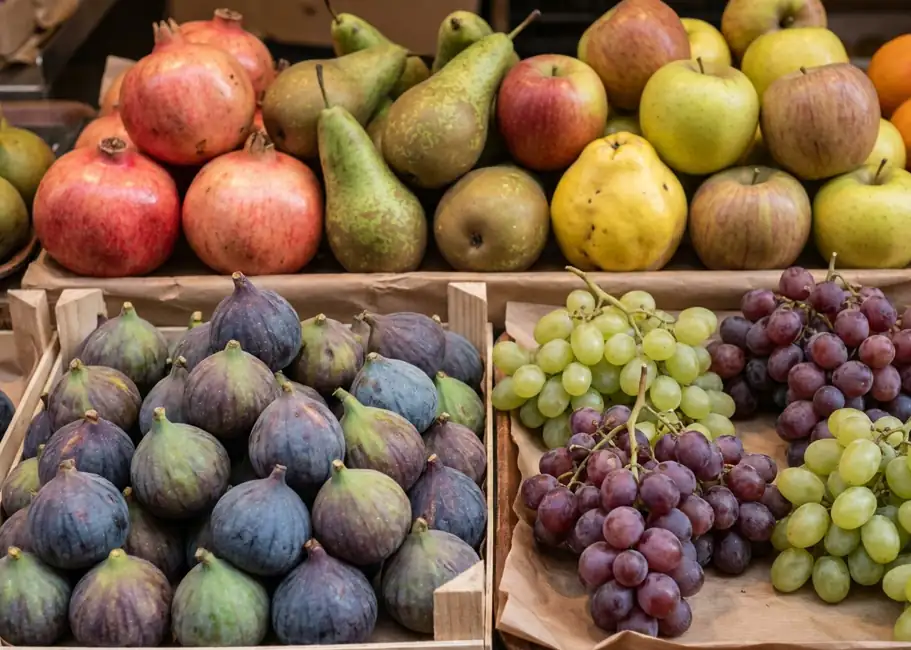
When it comes to fruit, it's still worth taking advantage of peaches, nectarines, and plums, as well as melons and watermelons, especially at the beginning of the month. At the same time, grapes, apples, and pears are arriving in full force, pomegranates and quinces are appearing, and figs continue to be a star attraction. Depending on the region and the week, persimmons and cherimoyas may also start to appear. Mangoes are also listed in September calendars, although it's always advisable to check the origin if you're looking for domestic produce.
Something similar happens with vegetables. Tomatoes, peppers, eggplants, zucchini, cucumbers, and green beans continue to be very versatile, while pumpkin, leeks, cauliflower, spinach, and mushrooms make warm dishes more appealing. If you want to extend the shelf life of your groceries and avoid wasting produce, it's worth reviewing how to store fruits and vegetables at home.
At sea, the reference point is always more approximate than in a fruit shop: catches, coastlines, fishing bans, and origins all change. Even so, September remains a good month for bonito, sardines, horse mackerel, and swordfish, as well as various shellfish and cephalopods. The gilthead seabream we see year-round, for example, may come from aquaculture, so we don't present it as one of September's great natural symbols.
Seasonal fruits in September
Figs arrive in September at their peak, and they're also one of those fruits that don't keep in the pantry for long. They spoil quickly, so it's best to buy a small amount and eat them soon. In our guide to figs: how to choose, store, and use them in cooking, you'll find the keys to distinguishing a ripe fig without taking home a box that will be overripe the next day.
Grapes are no longer just a small reminder of late August; they've become a quintessential fruit of the month. They can be eaten as is, added to salads, roasted with meats or cheeses, and even used when overripe to make grape jam.
Pomegranates are starting to appear and becoming more prevalent as September progresses. When buying them, look for ones that feel heavy for their size and have firm skin. Their seeds are delicious in salads, yogurt, couscous, cheese dishes, and desserts; if you want to get the most out of them, here's an explanation of what a pomegranate is and how to use it.
We also enter the realm of apples and pears, two fruits that are gradually replacing some stone fruits. Apples are great for baking, roasting, purées, and side dishes; with pears, we can make everything from salads to classic pears poached in red wine.
Quince is one of the clearest signs that autumn is approaching. Raw, it's hard and astringent, but cooked, it's completely transformed. If you find some good ones, now's the time to make homemade quince paste and have it ready for cheeses, toast, and snacks.
Peaches and nectarines are still available, although we're nearing the end of their season. The same goes for melons and watermelons: they may still be very good, but September is more of a month of ending than beginning. To avoid choosing them blindly, we've compiled the signs that will help you know if a melon or watermelon is ripe, and we also have a specific guide on how to store peaches.
Mangoes are also among the fruits of September. In Spain, it's important to pay attention to their origin and ripeness, as different sources are available in the market. If you buy them whole, our guide to mangoes and their uses in cooking explains how to use them in salads, sauces, smoothies, and desserts.
Plums can last for part of the month, and if you accumulate ripe ones, plum jam is an easy way to use them up. Persimmons and cherimoyas are more of a gradual arrival than a standout feature from the 1st, but September may bring the first ones; you can consult our guides on persimmons and cherimoyas here.
Seasonal vegetables and greens in September
The easiest mistake here is thinking that September is already completely autumnal. Not yet. Tomatoes, peppers, eggplant, zucchini, and cucumbers are still very logical purchases during the month, and they allow for cooking that can remain fresh and quick.
Tomatoes continue to be a star ingredient. We can use the ripest ones for gazpacho, salmorejo, sofritos, and sauces, and reserve the firmer ones for salads. Furthermore, they don't always need to go straight into the refrigerator: we explain when it's appropriate to store tomatoes in the fridge and when it's not.
Peppers are still a hot topic at the end of summer. Roasted, they're perfect for salads, side dishes, sandwiches, or preserving, and green peppers are great for stir-fries and other dishes. If you buy a good batch, you can roast peppers in the oven and prepare several meals with just one batch.
Eggplant is still very popular. It's great grilled, baked, stuffed, made into creams, and stewed, and September is the perfect time to cook it without having to serve it cold. One of the recipes that makes the most of it is Greek moussaka, where eggplant is truly the star.
Zucchini is still in season and is incredibly versatile for soups, omelets, stir-fries, fillings, and pasta dishes. If you happen to have a few in the fridge, here's a selection of zucchini recipes so you're not always making the same old soup.
Cucumbers remain a staple in salads and cold soups, but they can also be pickled or combined with yogurt and herbs. This guide to cucumbers and their uses offers ideas beyond simply slicing them.
Green beans remain a very useful purchase. They're delicious warm, sautéed, with potatoes, in salads, or with tomatoes, and we have a collection of green bean recipes to help you use them up without any fuss.
And while all that continues, ingredients with a more autumnal feel are starting to take center stage. Pumpkin is once again calling for the oven, soups, and rice dishes; you can find plenty of ideas in these pumpkin recipes. Leeks are also making a strong comeback, perfect for soups, quiches, and stews, as is cauliflower, which can be roasted, baked, or turned into a cream soup; we have separate guides on leeks and how to cook cauliflower.
Spinach is becoming more readily available again, and mushrooms may start appearing more readily when the rains and temperatures warm up. It's important to be especially cautious here: the mushroom season varies considerably depending on the region and the weather. If they do appear, this selection of mushroom-season recipes offers a few ideas for making the most of them.
Fish, shellfish and cephalopods in season in September
September keeps albacore tuna among the fish featured on the calendar for the month. It benefits from short cooking times when cut into chunks or fillets, but it also works wonderfully in stews. Marmitako (albacore tuna stew) is surely the clearest example of how a purchase made during the summer can end up in a dish that already tastes of the changing seasons.
Sardines remain an excellent choice for the oven, griddle, or grill. If the smell of smoke puts you off, oven-roasted sardines are a great alternative, as they won't fill your house with odors.
Horse mackerel deserves more attention than it usually gets. It's flavorful and works wonderfully grilled or pickled; here's our recipe for grilled horse mackerel. Swordfish is also a popular choice in September, and we can prepare it quickly, as in this garlic swordfish recipe.
When it comes to shellfish and cephalopods, the calendar needs more nuance. Clams, spider crabs, langoustines, barnacles, mussels, squid, and octopus might be available in September, but actual availability varies depending on the coast, origin, catches, and closed seasons. If you're buying shellfish, it's best to focus more on freshness and provenance than on a definitive statement about the month; this guide explains how to buy and store fresh shellfish.
With this product, we can prepare clams in marinara sauce, learn how to cook and open spider crabs, grill baby squid or calamari, make an octopus salad, or simply steam mussels. For a special occasion, there are also grilled langoustines or, if you can find them and your budget allows, well-cooked barnacles.
Recipes with seasonal ingredients in September
A September shopping trip allows you to go from a light dinner to a hearty stew without it feeling like we've switched months midweek. With figs, you can prepare a fig, burrata, and walnut salad or a fig galette. With pomegranate, a duck ham, mozzarella, and pomegranate salad is a great way to use the fruit without relegating it to dessert.
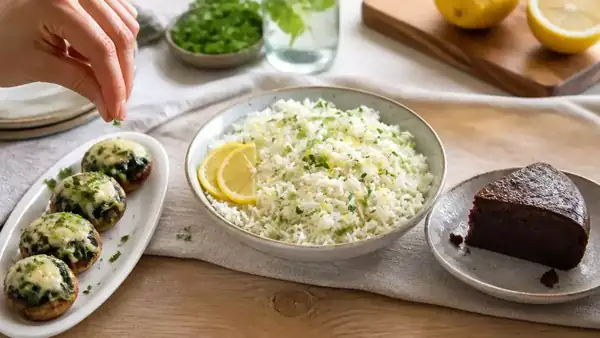
Tomatoes still lend themselves to an Andalusian gazpacho, and when the afternoon calls for something warmer, pumpkin can be transformed into a homemade pumpkin soup. If the first interesting mushrooms appear, a mushroom risotto is perfect for that September that begins in short sleeves and can end by requiring a jacket.
For fish, bonito is excellent in a bonito with tomato dish, a recipe that combines two products that are very representative of late summer. For the rest of the week, we can alternate sardines, mackerel, squid, or mussels with seasonal vegetables and enjoy a varied menu without any culinary acrobatics.
List of seasonal foods in September
Fruits: fig, grape, pomegranate, apple, pear, quince, peach, melon, watermelon, and mango. As transitional products, the calendars consulted also include nectarine, plum, persimmon, and cherimoya, whose availability may be more irregular depending on the region, variety, and time of the month. Apricot, kiwi, mandarin, and banana also appear, although we don't consider them the main fruits of the month because their actual market share can vary greatly depending on origin, variety, and market.
Vegetables: tomatoes, peppers, eggplant, zucchini, cucumbers, green beans, pumpkin, leeks, cauliflower, spinach, onions, garlic, carrots, beets, turnips, and endive. Calendars also list chard, broccoli, green asparagus, lettuce, cabbage, and radishes in September, although availability and peak season for these products may vary depending on the region and growing method. Mushrooms are particularly dependent on rainfall. If you'd like to start preparing your pantry for the autumn harvest, you can also consult our guide to autumn vegetables.
Fish: bonito, sardine, horse mackerel or mackerel and swordfish, in addition to other species whose presence may vary depending on the area of capture and market.
Seafood and cephalopods: clams, crab, spider crab, squid, shrimp, prawns, lobster, barnacles, mussels, velvet crabs, octopus and oysters, among others, with variable availability depending on origin, coast, closed seasons and catches.
Downloadable seasonal foods for September
The calendar serves as a quick guide for shopping, not a rigid list. Spain has very different climates, growing regions, and coastlines, and each season can be earlier or later than usual. Therefore, it's best to combine the month's information with the product's appearance, its origin, and what actually arrived in good condition that week.
You can save or print the downloadable guide to seasonal foods for September and keep it on the fridge, have it on your phone, or consult it before you go shopping. The idea isn't to buy everything listed out of obligation, but rather to remember which products are worth paying closer attention to when September arrives.