The best recipes from Castile and León: roasts, stews, and plenty of bread for dipping
Castile and León doesn't understand haste or light, casual dishes. Here, the oven, the casserole, the traditional pig slaughter, legumes, and that rustic cuisine that knows how to make the most of what's readily available reign supreme: good lamb, pork, bread, garlic, paprika, potatoes, chickpeas, beans, and sweets that shouldn't be cut too small a portion. The Castilian and Leonese cookbook is fa
This selection of the best recipes from Castile and León includes cold dishes, festive fare, tavern fare, and lingering after-dinner conversation. One day you might crave a platter of patatas a la importancia, with its light batter and that rich, yellow sauce that begs to be sopped up with a spoon. Another day, you might fancy patatas revolconas with crispy torreznos, a humble dish that proves potatoes and paprika go wonderfully together. And when it's time to eat without watching the clock, there are the judiones de La Granja, the olla podrida, arroz a la zamorana, or cocido maragato, which has the added charm of being served in reverse: first the meats, then the chickpeas, and finally the soup.
The meat dishes are equally impressive. Castile and León is home to Burgos black pudding, chorizo, cured beef, Soria-style fried pork belly, Salamanca-style hornazo (a savory pie), roast suckling pig, and suckling lamb, with a long tradition rooted in pork, lamb, and seasonal produce. Added to this are dishes featuring cod, trout, mushrooms, vegetables, and legumes, each with its own distinct character, because the region's cuisine varies considerably from province to province, though it shares a robust, flavorful, and straightforward foundation.
And then there are the sweets, which also have their own special touch: Yemas de Santa Teresa (a type of egg yolk candy), Tarta de San Marcos (a cake made with St. Mark's bread), Mantecadas de Astorga (a type of shortbread), rosquillas (doughnuts), fried flowers, torrijas (a type of French toast), and other treats from convents, bakeries, and local festivals. All in all, this recipe book is perfect for those who truly enjoy traditional Spanish cuisine: dishes with history, deep flavor, and one thing is certain: no one leaves the table hungry.
Our selection of recipes
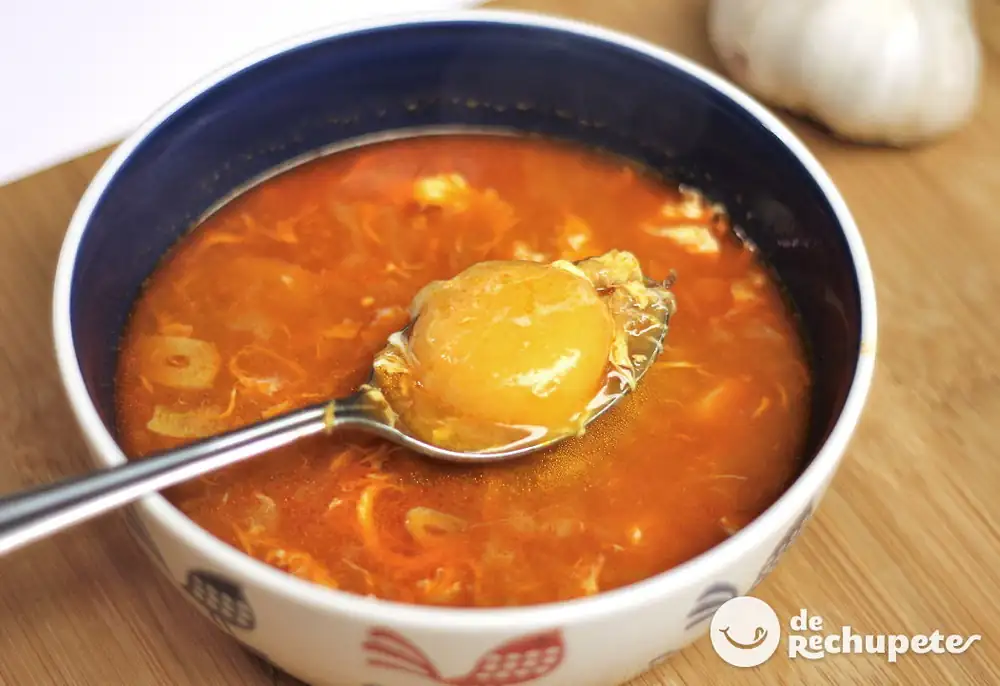
Our grandmothers and mothers used to prepare this natural, traditional, and comforting dish for us. All they needed was garlic, bread, paprika, water, and a little ham to have us mesmerized, watching the fire. We'd always be checking the pot to see if it was ready for dinner. I recommend a good bowl of garlic soup for dinner; the first spoonful warms you right from the start.
One of the best-known variations is the hornazo from Cepeda, a town in the Sierra de Francia region. Its distinctive feature is that it's covered in sugar, giving it a unique and unmistakable flavor—truly delicious. It's a contrast of flavors that I personally really enjoy.
Also known as La Granja de San Ildefonso beans, these are large, white beans from Segovia, renowned in Spanish cuisine. Let's make a stew that'll cure your hiccups! So off we went to La Granja de San Ildefonso and ate some giant beans that would have raised the dead.
Although originally part of the daily gastronomic repertoire of peasants and humble people, today it is common to find it served as a tapa in bars and restaurants, mainly in the communities of Salamanca, Ávila and Extremadura, where it is most typical.
The preparation is very simple and similar to the traditional roast lamb we have on the blog. It's one of those classic recipes that's a hit at Christmas in many Spanish homes. The key is to buy a quality cut of meat, in this case from the Riaza area of Segovia, and to have a little patience, as the preparation and baking take at least two hours.
Tradition dictates that Segovian suckling pig should be roasted in a wood-fired oven with only water and salt. But we'll leave that basic recipe to the Segovian masters, as it's difficult to achieve the same level of perfection they get in a home oven.
Partridges have always been a favorite bird to prepare using this culinary technique. But we can't limit ourselves to using escabeche with partridges or quail; wonderful artichokes or the delicious mussels from the Galician estuaries will also be perfect prepared this way.
Today we can find ajoarrieros made with lobster and other seafood, cod, of course, and even snails. There are even versions like the cod ajoarriero from Cuenca in a cream sauce, or of course the cod brandade, which is absolutely delicious as an appetizer.
In Palencia, especially around Herrera de Pisuerga, they are also often prepared with tomato, garlic, bay leaf, and chili pepper. That version is wonderful, but here we're going to make a simpler dish with onion, red bell pepper, garlic, white wine, and cognac.
As we've discovered, all convent-made sweet egg yolks are made with egg yolks and syrup, so we made them exactly the same way, although we were tempted to flavor the syrup with lemon peel (something completely optional). The result is these little orange balls you see in the photo, an exquisite, smooth, and very elegant treat.
It is a much-loved sweet that, although nowadays we can find it in all the pastry shops in the city, the Ponche Segoviano brand, by judicial decree, is only manufactured by the descendants of its inventor, owners of the Alcázar confectionery, in Segovia, where it continues to be prepared in an artisanal way.
The name can be misleading because there are very similar dishes with comparable names in the northwest. Asturian frixuelos are spread in a lightly greased pan and come out thin, like a flexible pancake. These Leonese fisuelos are not a thin crepe: they are fried in plenty of oil, and the batter falls in a continuous stream that must join together so that the piece holds its shape when turned over.