Catalan cream like in the restaurant, but even better, my grandmother's recipe
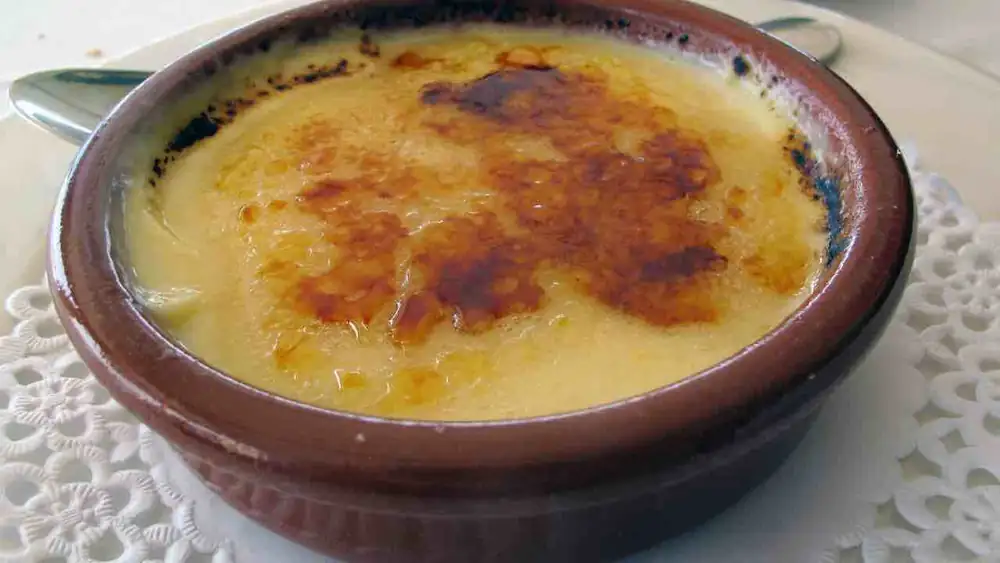
A velvety, fragrant cream hidden beneath a thin crust of caramelized sugar that breaks easily with a spoon: crema catalana is the perfect dessert to end a dinner, and making it at home with the simplicity of grandma's recipes can make it even more delicious than the one ordered at a restaurant.
Crema Catalana is a famous Spanish dessert, particularly associated with Catalonia. Its charm comes from the contrast between two completely different consistencies: a soft, delicate cream underneath, while a thin, crunchy layer of caramelized sugar forms on top. The secret to the perfect crema Catalana is precisely the balance between a creamy center and a crispy crust, which only breaks when you dip your spoon in.
Making it at home is less complicated than it might seem and uses readily available ingredients: milk, egg yolks, sugar, cornstarch, lemon, vanilla, and cinnamon. So, you don't need to turn your kitchen into a professional pastry shop to achieve a special result. Above all, you need to pay attention to the cooking of the cream and allow it to rest in the refrigerator. The brown sugar, however, should be caramelized only shortly before serving: this way, the surface remains crunchy and creates the characteristic contrast with the cold, soft cream.
Ingredients for a creamy and crunchy Catalan cream
- 500 ml of milk
- 4 egg yolks
- 90 g of granulated sugar
- 25 g of corn starch
- 4 tablespoons of brown sugar for the surface
- The grated zest of 1 lemon.
- 1 vanilla pod
- Cinnamon powder to taste
Step-by-step procedure for Catalan cream
- First, separate the egg yolks from the egg whites and place them in a large bowl. Add the granulated sugar and whisk until light and slightly frothy.
- Remove a small amount of milk from the 500 ml called for in the recipe. Pour it into a small bowl and use it to thoroughly dissolve the cornstarch. Stir until any lumps are eliminated, then fold the mixture into the egg yolks and sugar.
- Pour the remaining milk into a saucepan and add the lemon zest and vanilla pod. Heat slowly, so the flavors have time to infuse the milk.
- Once the milk is very hot, remove the vanilla and, if you used pieces of zest instead of finely grated zest, remove them as well. Then, gradually pour the hot milk into the egg yolk mixture, whisking constantly.
- Transfer everything back to a saucepan and place over high heat. Stir constantly as it thickens, maintaining a moderate heat: the cream should become velvety and thick without sticking to the bottom.
- Once it reaches the desired consistency, add a pinch of cinnamon and stir again to evenly distribute the flavor. Avoid overdoing it: the cinnamon should complement the lemon and vanilla flavors, not overwhelm them.
- Immediately pour the cream into individual ramekins or small heat-resistant containers. Gently smooth the surface and let cool before transferring to the refrigerator.
- Let the crème brulee rest in the refrigerator for at least two hours. Resting is essential for obtaining a cold, firm, yet still pleasantly soft crème brulee.
- Only when you are ready to bring the dessert to the table, remove the cocottes from the refrigerator and spread a thin, even layer of brown sugar over the surface.
- To achieve the characteristic amber crust, you can place the custards under a hot broiler for a few minutes, checking them constantly. The sugar should melt and caramelize without burning. If you have a kitchen blowtorch, you can use it to caramelize the surface directly.
- Wait a few moments for the caramelized sugar to harden and crisp, then serve immediately. The crust should crack at the first touch of a spoon, revealing the soft cream underneath.
The beauty of homemade crema catalana, like grandma's, lies in its simplicity: few ingredients, familiar aromas, and a preparation that requires no elaborate decorations. Lemon adds freshness, vanilla and cinnamon complement the aroma, while caramelized sugar adds that irresistible touch reminiscent of a restaurant-style dessert. By making it a few hours ahead of time and leaving the caramelization until the last minute, you can serve a fresh, velvety cream under a perfectly crisp crust: the contrast that makes this dessert so special.