We'll explain the characteristics of clotted cream! We'll also introduce some easy substitute recipes
Clotted cream is a perfect match for scones. While not very common in Japan, it's an essential ingredient in traditional British afternoon tea. This article will introduce the characteristics and uses of clotted cream, as well as alternative recipes using fresh cream. Enjoy its rich flavor!
We'll explain the characteristics of clotted cream! We'll also introduce some easy substitute recipes.
What is clotted cream?
What's the difference between this and butter or cream?
How do you eat clotted cream?
Here are some ways to use it in cooking!
A simple substitute recipe for when you want to easily recreate clotted cream!
Enjoy a moment of elegance with scones and clotted cream!
What is clotted cream?
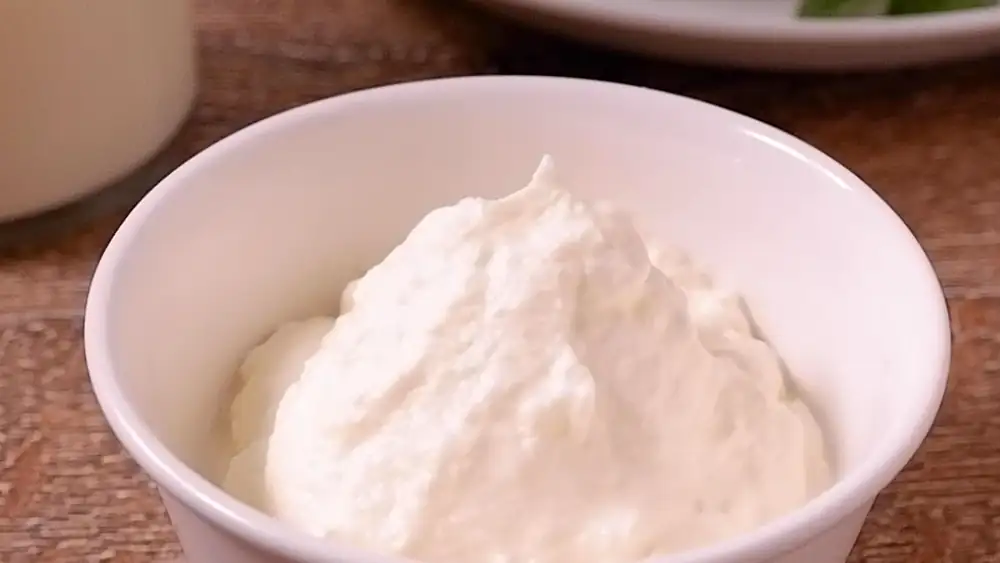
Clotted cream is a cream that is somewhere between butter and heavy cream. "Clotted" means "coagulated," and it is made by boiling down high-fat milk, letting it sit overnight, and collecting the milk fat that has coagulated on the surface. It originated in England and has been used for a long time in the southwestern counties of Devon and Cornwall. In Devon in particular, it is a very historic cream that has been made for over 2000 years.
Clotted cream is often confused with butter and heavy cream, but the biggest difference between the three is their fat content. Butter has about 80% milk fat, heavy cream has about 40%, while clotted cream is somewhere in between at around 60%. It has a lighter taste than butter but a richer taste than heavy cream, and a thick, creamy texture. The milk flavor isn't as strong as it looks, so it's a taste that even people who don't like dairy products can easily enjoy.
How do you eat clotted cream?
Clotted cream is typically enjoyed spread on scones with jam. A set of clotted cream, scones, and tea is called "cream tea," while "afternoon tea" includes cakes and sandwiches as well. Scones are simple baked goods, but spreading plenty of clotted cream on them enhances their flavor, allowing you to enjoy a rich and decadent taste. Of course, they pair perfectly with fragrant tea.
In the UK, there's also a strong emphasis on how clotted cream is spread. In Devon, it's common to spread clotted cream on scones before adding jam, while in Cornwall, it's more common to spread the jam first and then add the clotted cream. Both sides insist their style is tastier, but spreading the clotted cream on top of the jam gives a more pronounced creamy flavor.
Clotted cream cannot be frozen, so it's important to use it as quickly as possible after opening. If you can't finish it all on your scones, try using it in other dishes to fully enjoy its deliciousness! Here are a few ways to use it, so please take a look.
Instead of butter
For an easy way to enjoy clotted cream, try spreading it on bread or pancakes instead of butter. Because it has less fat than butter, you can enjoy a creamy yet light flavor.
Place on a cracker
Served on crackers with prosciutto and tomatoes, it makes a great appetizer that pairs well with wine. It's also delicious served on crackers with dried fruit and nuts, drizzled with honey.
A secret ingredient in cooking
Adding it as a secret ingredient to stews like curry, pasta sauces, or omelets will significantly enhance the richness and create a mellow flavor.
Japanese sweets
Clotted cream pairs perfectly with Japanese sweets! Topping boiled red beans or red bean paste toast with it easily creates a Japanese-style dessert.
*Some of the recipes described here use honey. Please note that children under 1 year old (infants) should not consume these products. Honey can be substituted with sugar. The sweetness varies depending on the type of sugar, so please adjust to your preference.
Clotted cream is not commonly found in regular supermarkets, and is often difficult to find. While you can purchase it online or at department stores, if you want to easily enjoy clotted cream, substituting it with heavy cream is a good option. Here are a few recipes to try; please take a look!
Easy and rich clotted cream-like recipe using heavy cream.
This rich clotted cream-style concoction looks and tastes just like the real thing. It's incredibly easy to make: simply pour chilled heavy cream into a jar, shake for about 5 minutes, and it's ready when it becomes thick and creamy! The rich and creamy flavor pairs perfectly with crispy, fragrant scones. Using animal-based heavy cream with a high fat content will create an even richer and more decadent taste. Give it a try!
Easy fluffy scones with clotted cream-style whipped cream
For an easier way to enjoy clotted cream, try this recipe! It's a clotted cream-style whipped cream made by whipping heavy cream with strawberry jam. The pectin in the jam gives it a thicker, creamier texture than regular whipped cream. The subtle strawberry flavor is lovely, and it's delicious on scones or even sandwiched between cookies! Give it a try!
*Toasting times may vary depending on your toaster model, so please adjust accordingly while monitoring the process. This time, we toasted at 1000W and 180℃. Because toasters have a small interior and the food is close to the heat source, there is a risk of smoke or fire due to oil dripping from the food or oil splattering during heating. Do not leave the toaster unattended while it is heating.
How was it? We introduced the characteristics and uses of clotted cream, as well as substitute recipes using fresh cream. Rich and creamy clotted cream is an essential ingredient for afternoon tea, especially with scones. If it's not available at your supermarket, you can substitute it with fresh cream, so please enjoy its deliciousness with freshly baked scones and tea.