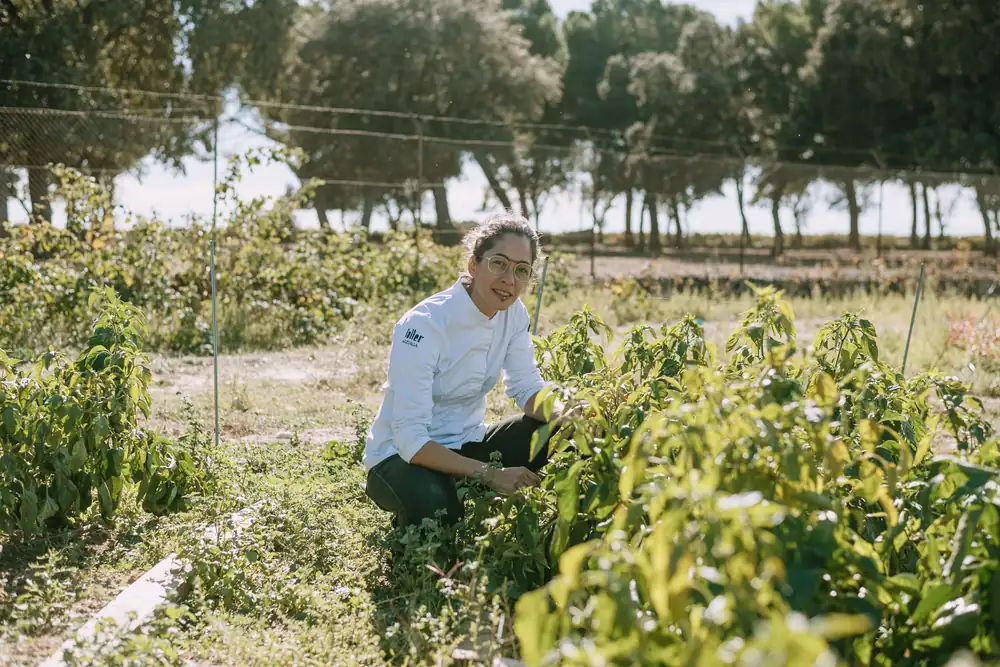
A woman from Salamanca in the Ribera del Duero region
Of the nearly three hundred Spanish restaurants awarded Michelin stars, only about twenty have a kitchen helmed by a woman. One of the latest to join this meager list is Sara Ferreres from Salamanca, chef of Taller Arzuaga at Bodegas Arzuaga, in the Valladolid town of Quintanilla de Onésimo, in the heart of the Ribera del Duero wine region. Although, to be fair, this statistic is somewhat misleadi
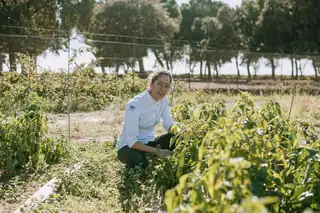
Of the nearly three hundred Spanish restaurants awarded Michelin stars, only about twenty have a kitchen helmed by a woman. One of the latest to join this meager list is Sara Ferreres from Salamanca, chef of Taller Arzuaga at Bodegas Arzuaga, in the Valladolid town of Quintanilla de Onésimo, in the heart of the Ribera del Duero wine region. Although, to be fair, this statistic is somewhat misleading.
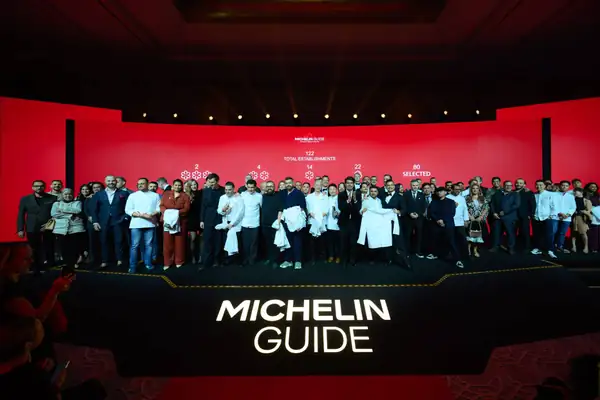
Taller Arzuaga earned the coveted Michelin star in 2019 under the guidance of Víctor Gutiérrez, a Peruvian chef based in Salamanca and owner of the eponymous (and also Michelin-starred) restaurant in the city. In 2021, Ferreres joined as head chef and, for three years, worked under Gutiérrez, practicing the fusion cuisine style he championed. Then, in 2024, she began to work independently and fully embrace her own culinary vision. Ferreres has not only retained the red star but has also added the green one, recognizing her commitment to sustainable gastronomy.
So what's the cuisine like for this millennial chef whose resume includes stints at Palacio de San Esteban, Hacienda Zorita, and her own project, Singular, all in Salamanca? She describes it herself: "I like to work with local produce, giving it a fun, relaxed, and refreshing touch through acids and fermentations." To which we would add: seeking out very distinctive and easily recognizable flavors. Having her own organic garden and a farm where she raises big game such as wild boar, deer, and fallow deer certainly helps.
Two tasting menus, Reserva (€120) and Gran Reserva (€165), are the options for exploring their gastronomic concept. But, importantly, Taller Arzuaga also offers à la carte dining.
We started with a small appetizer at a little table overlooking the winery, to set the mood: baby eels in pil-pil sauce with quail egg, hollandaise, and sea lettuce. It's an out-of-season dish, and Ferreres, aware of this, explains: “It's a small tribute to Florentino Arzuaga, the winery's founder, who was Basque. That's why we have it year-round.” Seasonality aside, it's a real treat.
The second course takes place in the open kitchen, in a showcooking style: four bites, a selection of snacks brimming with local flavor, accompanied by a vertical tasting of Fan D. Oro, Arzuaga's white wine classified as a table wine because it's made with Chardonnay, a grape not permitted by the Ribera del Duero Regulatory Board. Marinated trout with its roe and Iberian pork jowl on crystal bread. Breaded lamb brains. Seared roe deer tartare (basically a Russian steak, but slightly less spicy) with aromatic herbs. Marinated venison loin with sage leaf in saffron tempura. Each one better than the last, making it abundantly clear that we're on the northern Castilian plateau, in case anyone had any doubts.
Once settled at one of the tables in the bright dining room, which offers views through enormous windows of the vineyards (and, alas, the road) where the rest of the meal will take place, the first thing the chef does is suggest a stroll through the organic garden. A garden, by the way, teeming with a few small animals… Pickled partridge with green apple, cucumber, and mint. Tomato bread with herb butter. Crispy beetroot with eel and osmotically dehydrated apple. Braised artichoke with pistachio, foie gras cream, and licorice. Onion soup with pickled red onion.
To complete the vegetable selection, beyond our own garden, we offer an ode to the most enveloping bitterness with poached Tudela de Duero asparagus with shallot cream and flame-roasted asparagus garnished with pickled asparagus ribbons, and an ode to well-understood sweetness with Llavaneras peas with prawns and cured beef cream and foam. Two must-tries.
Sea bass, La Vera paprika, and orange is the description of a dish that is actually a combination of the very Castilian and hearty garlic soup and shepherd's breadcrumbs, nuanced with candied orange and raisins. The fish is as it could be, unable to compete with the unbridled power of its companions.
A small triptych dedicated to pork and the oxidative Verdejo wines of Castile closes the first part of the menu: pig's ear with tail and its juices, roast suckling pig with salad and crispy skin with Iberian pork tartare and caviar. A striking and delightful interplay of contrasts. The bread service, with four types (rustic, apricot and walnut, brioche, and wine bread) accompanied by two butters and three oils, almost fulfills the function of the traditional trou Normand, allowing us to clear the slate of what we've tasted so far and embark on one of Ferreres's great passions: game cuisine.
We started with the wild boar tongue pastrami with black trumpet mushrooms, summer truffle, and piparra pepper relish. The intoxicating smoky notes are the defining characteristic of this remarkable dish, marred only by the use of freeze-dried mushrooms instead of a spring variety.
A remarkable dish that leaps to outstanding is the Bresse pigeon served in three textures: barely seared breast, crispy leg, and brioche with a creamy Pedro Ximénez-infused innards. It's accompanied by a rice dish that could easily stand alone as a main course. To conclude the game section, a first and only concession to the acclaimed fusion style: hare stuffed with foie gras, green curry, basil, and mint.
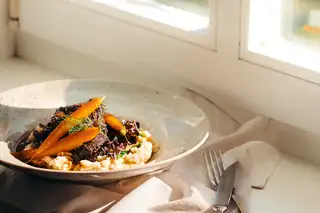
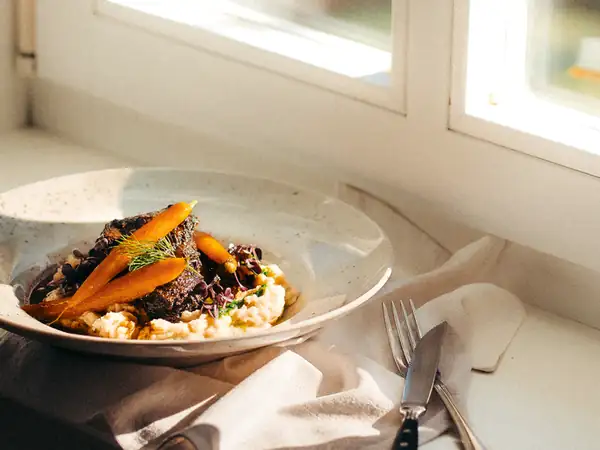
Anyone who thinks the savory portion ends here hasn't realized that Valladolid's star product, suckling lamb, is still to come. Since attacking a quarter of it at this point in the menu wouldn't be practical, the chef suggests some exquisitely thin lamb chops with a hint of rosemary and caramelized sweetbreads served on potatoes cooked in a rich sauce. A truly magnificent finale. Before moving on to dessert, there's the option of trying a cheese board that could be described as a work in progress, both for its questionable and limited selection and for the less-than-perfect aging process. Inconsequential.
Blanco is the name of the pre-dessert: coconut, passion fruit, mango, lemon verbena, and yuzu. It can't be said to be particularly rooted in the local terroir, but it's fresh and clean, which is what it's all about before moving on to the much more authentic combination of organic olive oil, honey, and pine nuts, which evokes the surrounding pine forests.
By decision of the restaurant's director, designer turned hotelier Amaya Arzuaga (daughter of Florentino Arzuaga, founder of the winery in 1982, curiously the same year that the Ribera del Duero DO was established), the impeccable dining room service is entirely female.
For obvious reasons, it is worth highlighting the figure of the sommelier Irene González, who proposes pairings for the two menus (€75 and €90, respectively) in which, obviously, the most representative wines of the house are not missing, but in which we also find surprises such as the aforementioned oxidative verdejos or some Galician or South African reds.
P.S. In addition to the workshop, the luxurious Arzuaga wine resort also boasts a traditional restaurant specializing in local cuisine. If you have the chance, be sure to try the roast lamb skewer cooked over vine shoots, paired with an Arzuaga Reserva Especial (they only serve their own wines).