Design and Wine Tourism: The Importance of Amazement
Creating a successful winery requires more than just perfect grapes. The quality of the wine is crucial, but the design and hospitality spaces play an equally crucial role. Excellent wine may attract connoisseurs, but it's the overall experience that makes a visit to the winery memorable.
This is what a recent article in The Globe and Mail, a famous Canadian newspaper, reports.
“The quality of the wine is essential, but the context in which you taste it makes the experience truly meaningful,” says Bachelder, founder of Domaine Le Clos Jordanne on the Niagara Peninsula.
Wineries aren't just places of production; they're also places of industrial operations, storage facilities, retail outlets, and now more than ever, tourist attractions.
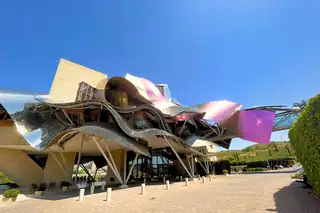
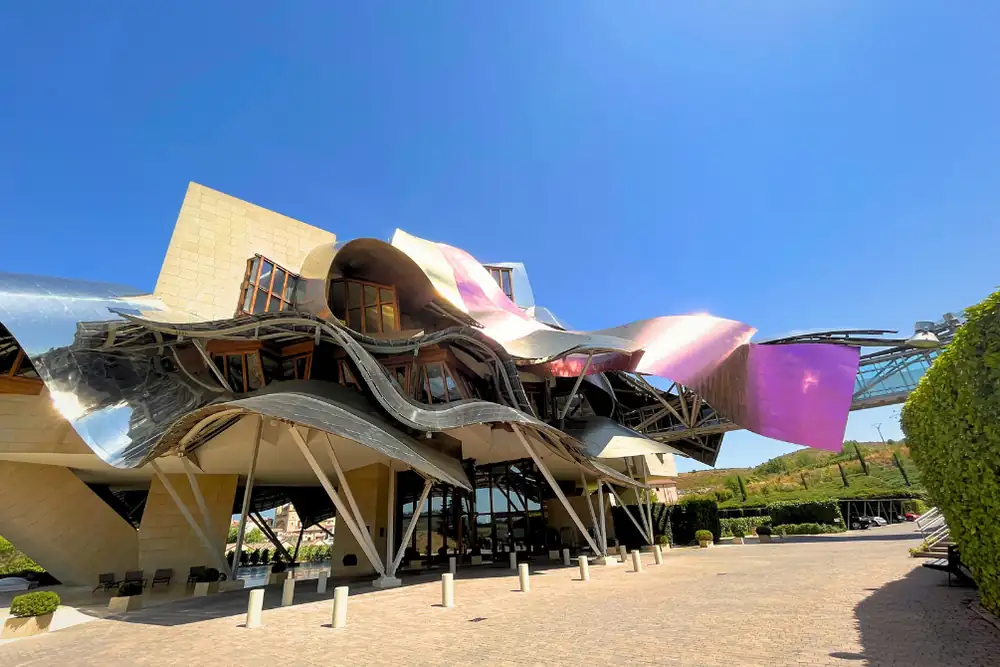
A key aspect of a winery's success is its structural design. This must not only be functional for wine production, but also welcoming and engaging for visitors. Wineries must convey the history and passion behind wine, creating an environment that doesn't feel like a factory but rather a place of charm and discovery.
However, wineries entering the world of wine tourism today must contend with an already crowded sector.
The example of Canadian wineries
The Canadian wine industry is becoming increasingly sophisticated, with wineries striving to outdo themselves in terms of design and attractiveness. The Niagara Wine Region, for example, continues to attract growing numbers of visitors, aiming to reach three million by 2030. With new wineries under construction and ambitious projects, the Canadian wine industry is booming.
Competition pushes manufacturers to collaborate with renowned designers and architects to create unique and memorable experiences for visitors. However, a large initial investment isn't always necessary; often, you can leverage what already exists on your property.
Ultimately, creating a successful winery requires a combination of wine quality, thoughtful design, and an engaging experience. Winemakers will increasingly need to balance imagination and practicality for their sites: structures that impress but can also handle parking, deliveries, and the seemingly endless flow of pipes and ducts required for all stages of wine production.