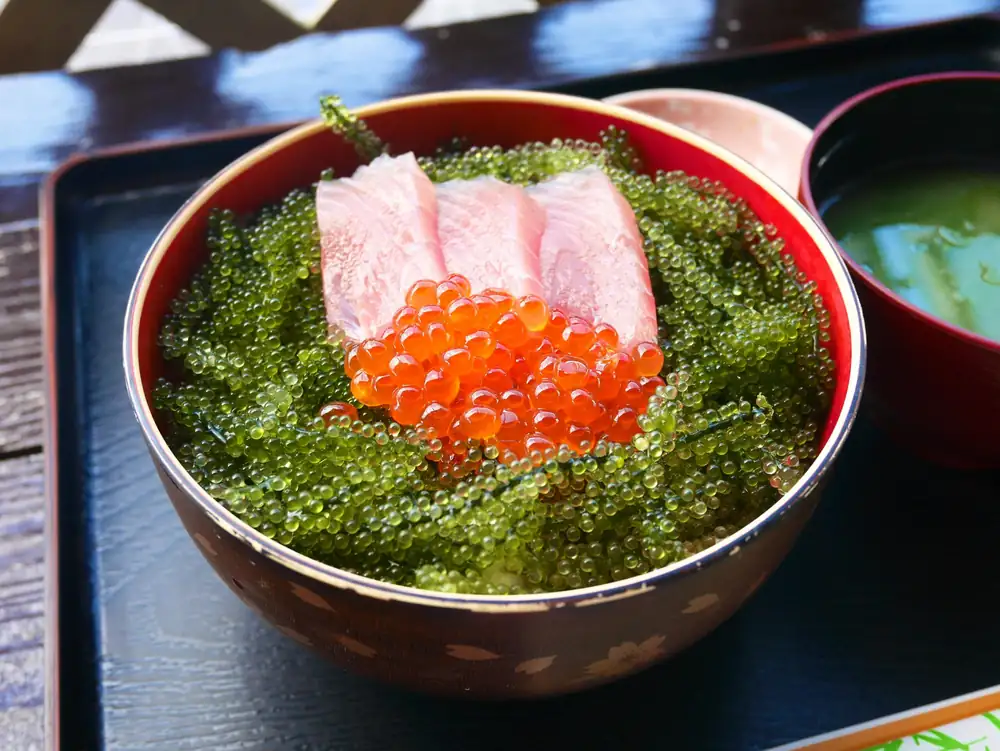
Caviar verde, o uvas de mar: el pequeño lujo del océano
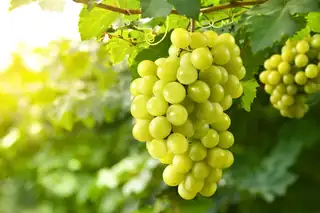
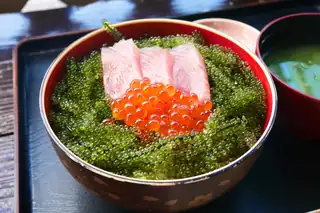
A pesar de su nombre, el caviar verde no son huevas de pescado, sino algas marinas. Pequeñas perlas de color verde brillante se alinean en tallos delgados como racimos de uvas en miniatura: se trata de Caulerpa lentillifera, una planta marina conocida como umibudō en Japón.
Despite its name, green caviar isn't fish roe, but seaweed. Tiny, bright green pearls line up on slender stalks like miniature bunches of grapes: it's Caulerpa lentillifera, a marine plant known as umibudō in Japan. Its texture is as captivating as its appearance: it bursts in the mouth in a characteristic, almost audible way, while delivering a fresh, salty, oceanic flavor. It's aptly called "caviar": a sophisticated and original ingredient, an iconic element of Okinawan cuisine, that is gaining increasing prominence in contemporary gastronomy.
Texture that stands out
The key to their appeal lies primarily in their texture. When eaten fresh, the tiny spheres delicately burst open, releasing a slightly salty, clean flavor reminiscent of the sea. Their crisp, juicy, and subtly umami texture adds elegance and a unique contrast to any dish.
It's usually served raw, with soy sauce, citrus, or miso, since heat quickly destroys its delicate structure. It's no coincidence that it's also a popular ingredient in ASMR videos: the characteristic clicking sound of the pearls provides a unique visual and auditory experience.
Besides its culinary exquisiteness, it also stands out for its nutritional value: rich in iodine, calcium and vitamins A and C, and low in calories, it contains significant amounts of fiber, omega-3 fatty acids and vegetable proteins.
From an Asian specialty to a global trend
Traditionally harvested in the coastal waters of Japan, Vietnam, and the Philippines, sea grapes are increasingly being cultivated using sustainable aquaculture methods. The growing demand stems not only from culinary interest but also from an open and forward-thinking approach to raw ingredients. European chefs are also showing increasing interest, particularly in Scandinavia, where marine plants have long been a cornerstone of modern Nordic cuisine. In this context, these "little pearls of the sea" are an integral part of regional gastronomy. In Japan, especially in Okinawa, green caviar has long been a local specialty, sometimes referred to as "the seaweed of longevity", and not without reason, given that the region boasts one of the longest-living populations in the world. While not exactly inexpensive, green caviar easily transcends its tropical origins as an accompaniment to a fish appetizer or a fresh seasonal salad.