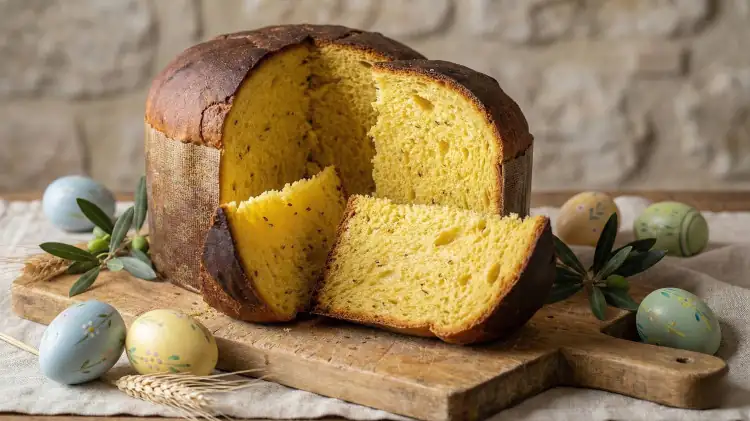
Easter schiacciata: the Tuscan secret to making it fluffy and tall
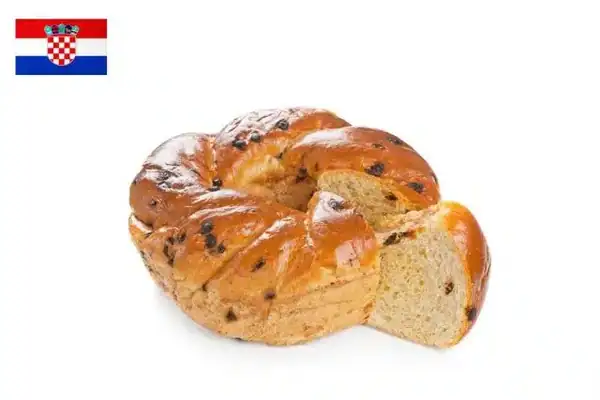
Looking for the authentic Tuscan Easter Schiacciata? Here's the original recipe for what, between Livorno and the Maremma, we simply call "la Schiaccia." A tall, soft leavened bread with the unmistakable aroma of aniseed and rosolio, just like our grandmothers used to make.
- Flour 100 gr
- Water 50 gr
- Fresh brewer's yeast or a pinch if dry 1 g
- Flour 750 gr
- Biga prepared previously 150 gr
- Eggs 3
- Sugar 200 g
- Butter 20 g
- Extra virgin olive oil (EVO) 35 g
- Whole milk 35 g
- Water 30 g
- White wine or Marsala 65 gr
- Cedar rosolio 35 gr
- Strega Liqueur 15 gr
- Orange juice 50 ml
- Orange zest
- Anise seeds 50 gr
- Vanilla
- Egg yolk and a little milk for brushing 1
- The day before preparing the schiacciata, soak the anise seeds in wine or rosolio.
- Prepare the biga by quickly kneading the indicated ingredients until you obtain a smooth ball. Cover the bowl with plastic wrap and let it rise for 12 hours in a warm place (ideally, 28°C). This long maturation is the secret to obtaining a soft, airy crumb. The next day, combine all the dough ingredients in a large bowl (or in a stand mixer), setting aside the matured biga and the anise seeds in the liqueur for now.
- Begin kneading the ingredients in the bowl. When the mixture begins to take shape, add the biga, breaking it up with your hands. Work the dough vigorously (by hand or with the dough hook of a stand mixer) until you obtain a smooth, soft, and elastic dough. The secret: continue kneading until the dough is well-strung, meaning it comes away from the sides of the bowl and leaves it clean.
- Form the dough into a smooth ball and place it in the bowl. Using a knife, make a classic cross-shaped incision on the surface (this will help you check the rise). Cover the bowl with plastic wrap or a damp cloth (to prevent the surface from drying out) and let it rise in a warm place until doubled in size. Note: Depending on the temperature in your home, this could take about 3 or 4 hours. Don't rush!
- Once the dough has risen, return it to the stand mixer (or onto a pastry board). Now add the anise seeds along with all the soaking liquid (wine or rosolio). Tip: Add the liquid a little at a time, waiting for the dough to absorb it before adding more, so as not to lose its shape. Divide the dough into desired portions and place it into panettone molds (or deep, buttered baking pans), filling them halfway.
- Let the molds rise again in a warm place, covered, until the dough reaches the rim of the mold. Once ready, gently brush the surface of the schiacciata with an egg yolk beaten with a splash of milk. This will give them their characteristic brown and shiny color. Bake at 200°C (preheated static oven) for about an hour. The schiacciata is ready when a nice dark crust has formed. A baker's tip: if you notice the surface browning too quickly after the first 30 minutes, cover it with foil and continue baking until the center is golden brown.
Forget quick or commercial versions: the secret to achieving such a light and airy crumb is the use of biga (or starter) and a slow, natural leavening. It takes a little patience, but the result will be worth the wait.
It's the undisputed queen of holiday breakfasts: try it dipped in milk or served sliced right after a savory appetizer, perhaps accompanied by the classic Crescia di Pasqua (Easter Cheese Crescia). If you're looking for a traditional Central Italian dessert with its classic mushroom shape, check out my recipe for Sweet Easter Pizza.
You're already getting your hands dirty, right? Let's see how to make the original Schiacciata di Pasqua step by step.
Doses & Ingredients
- Medium difficulty
- Low cost
- Easy food availability
- Note: + 12 hours of biga leavening + dough leavening.
- Fresh brewer's yeast or a pinch if dry - 1 gr.
- Extra virgin olive oil (EVO) 35 gr.
- Orange zest to taste
- Vanilla to taste