The best gastronomic destinations in 2026
Whether you're visiting or living there, there's always something to discover in these cities - from a spontaneous street snack to an award-winning restaurant. Places where eating is not just an experience, but one of the best ways to understand the city.
Hongkong
Hong Kong tops the list because, despite its small geographical size, it has an extraordinary concentration of Chinese culinary traditions and international gastronomic influences. It is not uncommon to find a traditional dim sum restaurant and a Michelin-starred Italian restaurant operating side by side on the same street, both part of the same diverse gastronomic ecosystem.
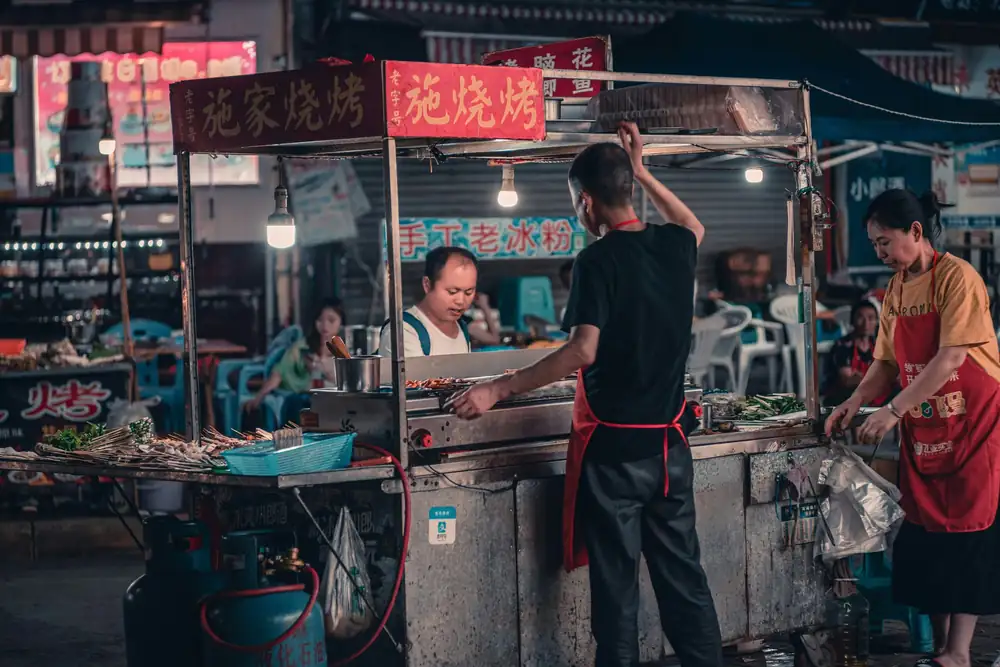
One of the city's greatest strengths is precisely this layering. Street food culture flourishes in the night markets, where Cantonese, Sichuanese and international vendors offer wonton noodle soup, fish balls and many other local specialties. Meanwhile, innovation continues on the drinks front: in addition to classic cocktails, low-alcohol drinks and mocktails are gaining more and more importance, often accompanied by a panorama of Victoria Harbour. In Hong Kong, both day and night gastronomic offerings are extremely rich - the biggest challenge is rather the choice.
London
London's gastronomy has been shaped by cuisines from around the world for centuries. The British capital's historical role has seen influences from India, East Asia, the Caribbean and the Middle East all play a role, making it one of the most diverse culinary hubs in the world.
One of the city’s greatest strengths is that fine dining and street food naturally coexist. According to The Times, London is home to the highest number of restaurants in Europe with five-star Tripadvisor ratings. Meanwhile, British cuisine has also undergone a significant renewal, with more and more chefs turning to local ingredients and traditions, interpreting them with a contemporary perspective.
Borough Market remains an iconic destination for fresh produce and street food, while Shoreditch and Soho are home to progressive restaurants, wine bars and traditional pubs. The city’s immigrant communities continue to shape London’s gastronomic identity, from sophisticated curries to Middle Eastern and Caribbean specialties prepared by street vendors.
Tokyo
Tokyo is a gastronomic capital where precision, tradition and innovation are present in an exceptional balance. From intimate ramen bars to omakase counters to multi-course kaiseki menus, from izakayas to yakitori restaurants, almost every imaginable dining style can be found in the city.
One of the Japanese capital's greatest strengths is the quality of its ingredients. The local gastronomic culture is built on seasonality, purity and attention to detail. A carefully pickled lotus root can receive the same attention as a perfectly sliced bluefin tuna.
The Tsukiji and Toyosu markets are bustling from dawn, while the districts of Shibuya, Shinjuku and Asakusa are the epicenters of nightlife. Tokyo is one of those rare cities where you can eat, drink and explore from morning until late at night, almost without interruption.
Mexico City
Mexico City's culinary culture is deeply rooted in pre-Columbian traditions and regional cuisines of Mexico. Although the city has long been famous for its street food offerings, in the past decade, an experimental spirit and the work of creative chefs have given new impetus to the local gastronomy.
Mexican cuisine is a UNESCO Intangible Cultural Heritage, and perhaps nowhere is its presence felt more intensely than in the country's capital. From the vast Central de Abastos market to the more than ten thousand taquerias and contemporary restaurants of the Roma Norte, Condesa and Polanco neighborhoods, each neighborhood offers its own interpretation of Mexican flavors.
Mezcal and pulque are key elements of the local drinking culture, while mariachi music is an almost constant background to the city's everyday life. Mexico City's authenticity, creativity and energy have made it one of the most exciting gastronomic destinations in the world.
Bangkok
Bangkok is synonymous with street food, and for good reason. The city's markets, from Chatuchak to Damnoen Saduak Floating Market, offer an exceptional insight into Thailand's ingredients and culinary traditions.
But the Thai capital is much more than just street food. The city moves confidently between world-class luxury hotels, Michelin Guide restaurants and family-friendly local eateries. Elegance and everyday intimacy come together especially naturally here.
You can explore the city on a food tour, wander the night markets, or watch the Chao Phraya River from a rooftop bar while sipping a cocktail or local beer. But perhaps Bangkok's greatest strength lies in the fact that on almost every street corner you can find dishes that showcase the quality of local ingredients and the passion for Thai cuisine.
The world's best food cities differ not only in what goes on your plate, but also in how they tell stories about themselves through their food. The layering of Hong Kong, the openness of London, the precision of Tokyo, the energy of Mexico City, and the pulsation of Bangkok all approach the same experience from different directions.
Yet the common point is the same: in these cities, eating is not just a necessity, but one of the most direct ways to understand local culture, history, and identity.