The dessert that has been part of Japanese culture for over a thousand years
Rice, which was considered a sacred ingredient
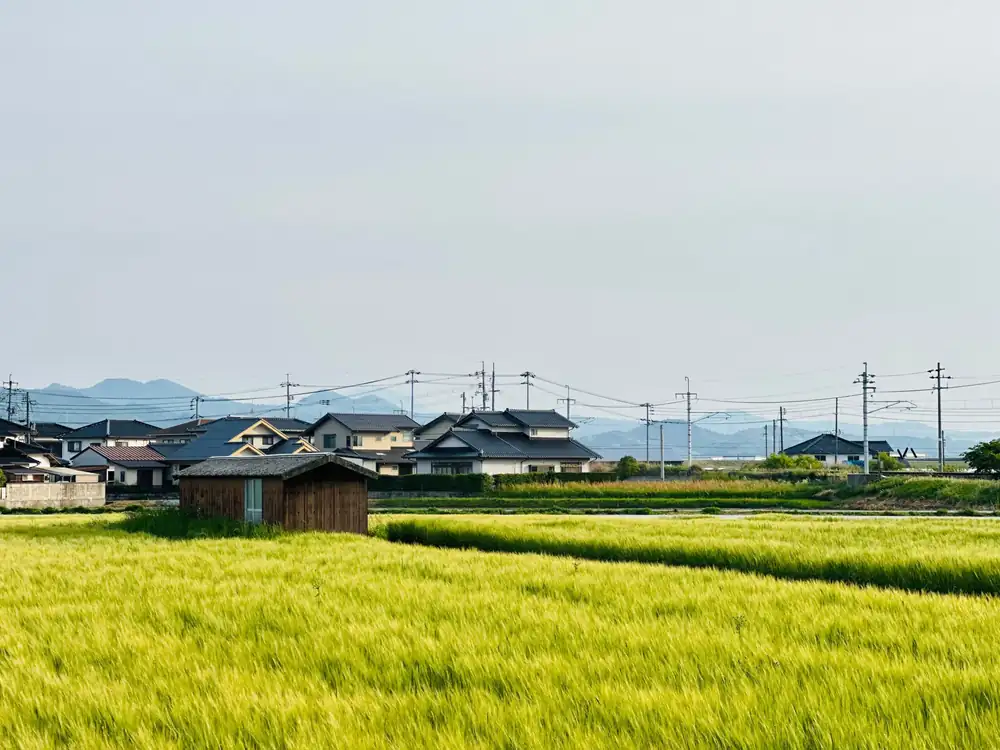
The roots of mochi can be traced back to the Heian period (794–1185), when rice was much more than just a simple food, as it was a symbol of abundance, fertility and prosperity in Japanese culture, and according to Shinto tradition, it was considered a gift from the gods. Mochi made from rice therefore quickly acquired a festive and ceremonial role, which defined its place in Japanese gastronomy for many centuries. The first mochi served a completely different purpose than the versions known today. They were made as part of temple offerings, weddings, harvest festivals and New Year ceremonies, where discs formed from rice symbolized luck and longevity.
A celebration of joint work
The traditional making of mochi is still a special event in Japan. In the ceremony known as mochitsuki, cooked glutinous rice is pounded with a wooden mallet in a large wooden bowl until it becomes a uniform, elastic mass. The process takes place in spectacular order: one participant pounds the rice with all his strength, while the other quickly turns and moistens the mass between each blow. Coordination is key, as the movements follow each other in a fraction of a second. Mochitsuki is still one of the most important community programs of New Year's celebrations in many Japanese towns, where the making is at least as much an experience as the dessert itself.
The secret of a special rice variety
Mochi is based on mochigome, or Japanese sticky rice. Its name is misleading to many, because the English term glutinous rice can easily refer to gluten, but in fact it is a completely gluten-free ingredient. Its speciality is the composition of the starch, thanks to its high amylopectin content, which gives it an extremely elastic, stretchy and silky texture after cooking and beating. This texture is so defining in Japan that a separate term was created for it: mochi-mochi simultaneously means the pleasantly soft, springy and slightly chewy texture, which is now also used as a compliment for many other dishes.
Symbol of luck
Few desserts are as closely associated with a single holiday as mochi is with New Year's. Kagami mochi, consisting of two rice cakes placed on top of each other and topped with a bitter orange, the daidai, appears in Japanese homes at this time. This composition decorates homes and shrines during the first days of the year, and is then broken into pieces and eaten during a special ceremony, the Kagami Biraki. According to tradition, by eating mochi, people also receive the luck and strength of the new year.
The world of anko and daifuku
Mochi can be eaten on its own, but the most well-known version is daifuku, which contains a filling wrapped in soft rice noodles. The classic filling is anko, or sweet red bean paste, which has been a staple of Japanese confectionery for centuries. To a European, it may seem unusual at first that a dessert cream is made from a legume, but in Japan, anko plays a similar role to vanilla or chocolate in our country. Over time, chestnut, matcha, black sesame, yuzu and fruit versions have also appeared, further enriching the world of mochi.
How did it become a global favorite?
The international career of mochi is a relatively recent story, with the breakthrough coming in the early 1990s when Japanese-American entrepreneur Frances Hashimoto created ice cream-filled mochi. The idea simultaneously preserved the character of the traditional rice cake while adapting it to Western dessert culture.
Over the next two decades, mochi gradually appeared in major cities around the world, and the spectacular development of social media further increased its popularity. The colorful, small desserts, unique texture, and endless flavor variations quickly became favorites of modern confectionery.
The texture that defines everything
Making mochi is a much more complex process than it might seem at first glance. Cooking, pounding, and shaping the rice all require great precision, as the goal is a unique elasticity that is soft, stretchy, and silky at the same time. Processing the dough for too short a time will leave it grainy, while processing it for too long will lose the fine texture that characterizes well-made mochi. The ratio of filling to rice dough is equally important, as the two together create the balance that makes mochi such a special experience.
A dessert that conveys culture
Few sweets have traveled as far as mochi. From offerings at Japanese temples and New Year's family celebrations, it has made its way to the world's leading confectioneries and specialty bakeries, all the while maintaining the qualities that have defined it from the beginning: simple ingredients, careful technique, and a communal experience.
Mochi as made at Hachiko
“Mochi is a constantly evolving, experimental project for us, there was no pre-planned path behind it, we simply had the urge and started playing with it. It is a real evolution: the first version was a poppy seed cake, which we covered with a thin sheet of mochi, so it was not daifuku, but we wrapped the traditional Hungarian dessert around it with Japanese dough. This worked so well that we continued the development and reached the daifuku form, which is currently available in the range. The next stage will be filled mochi, so it is an open, step-by-step process,” said Levente Hegedűs, chef of Hachiko. The dessert was very well received by the guests, precisely because it is familiar and yet surprising at the same time: the texture of mochi is a new experience for many, but the taste of poppy seed cake makes it immediately homely. “We retain the classic technique – making the mochi dough, wrapping the filling – but the content is a Hungarian-Japanese encounter: the flavors of poppy seed cake – poppy seeds, vanilla sugar, a slightly sweet-creamy character – are transferred into Japanese form and texture. This is exactly the kind of approach we like at Hachiko: we don’t want to copy Japanese cuisine, but to bring Hungarian and Japanese flavors and techniques into conversation.”