Aponiente ventures into the marsh: Ángel León's new phase turns nature into part of the menu
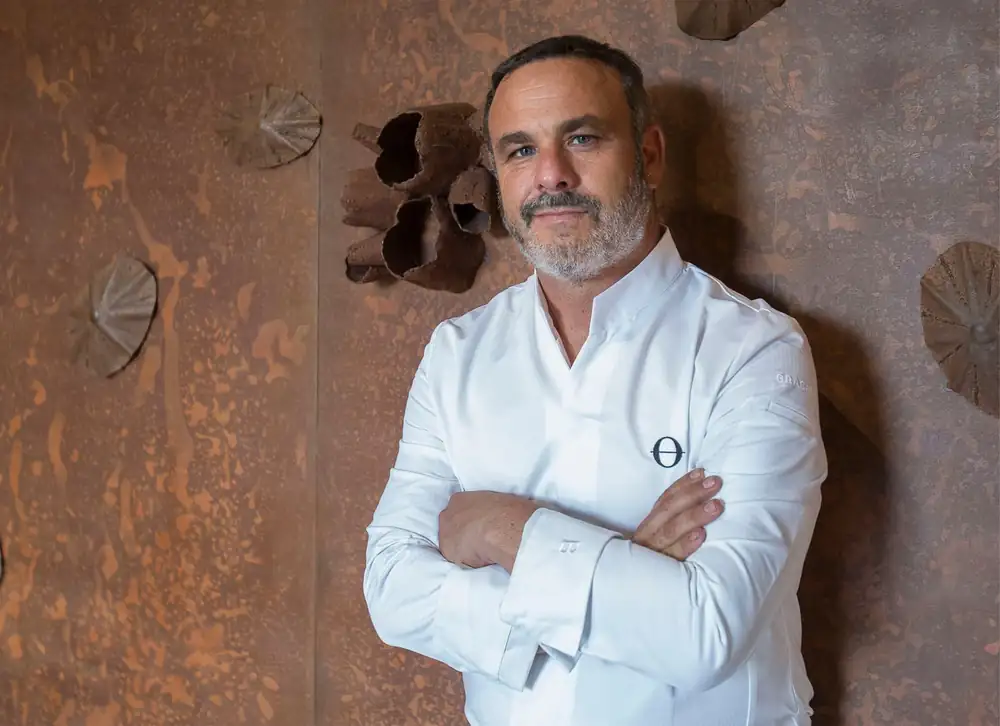
Ángel León's culinary project is entering a new phase. Starting March 11th, Aponiente is proposing a radical transformation of its dining experience: the restaurant is partially abandoning the dining room and opening up to the marshlands of the Bay of Cádiz, integrating the landscape and its natural rhythms into the culinary journey itself.
The proposal represents a conceptual shift for the three-Michelin-starred establishment. León has spent years researching the culinary potential of the sea and advocating for a cuisine that expands the marine larder without increasing pressure on resources. Now he takes it a step further: not just cooking the sea, but experiencing it before it even reaches the plate.
“I’ve always said that we should look at nature with hunger. In this new stage, I invite everyone who comes to immerse themselves in it,” the chef explains.
Eating within the ecosystem
The main novelty is that the experience is structured as a tour through the marshland, the ecosystem that feeds the cuisine of the restaurant, located in an old 19th-century tidal mill in the Natural Park of the Bay of Cadiz.
The itinerary begins with a brief welcome and an aperitif that invites you to pause and sharpen your senses. Afterward, diners explore different areas of the natural surroundings. At the Secadero de la Marisma (Marsh Drying Shed), they sample seafood sausages—one of León's most renowned lines of research—and then proceed to the salt marsh, where the heart of the experience unfolds.
There, each table has a dedicated chef, and the service adapts to the surrounding conditions: light, tide, and weather are all part of the experience. Even a shellfish gatherer participates, demonstrating the origin of some of the products. The intention is to make the complete life cycle of seafood visible, from its living state to the plate.
“We live detached from the act of feeding ourselves. We eat without remembering that what is on the plate was once life. Showing that process is not provocative, it is a way of giving thanks,” León argues.
After the outdoor tour, the menu continues in the mill room, where the chapter of savory and sweet maritime cuisine unfolds.
A menu shaped by the marsh
The tasting menu —priced at 400 euros— maintains the creative approach that has made Aponiente one of the most unique restaurants in the world: unusual seafood products, underutilized species and a scientific view of the sea.
The menu features dishes such as sea ham and pork jowl, halophytes with sea urchin, blue crab, shrimp with sea lettuce, marinated moray eel, monkfish liver with carob, and almadraba tendons with spices. The dessert course continues the marine theme with offerings like roe flan with apple and fennel, or a seaweed tart.
The entire journey lasts about three hours and, as León himself acknowledges, it's not a completely controllable experience: it depends on the tide, the light, and the weather. "The marshland can't be tamed, and that's what's so beautiful about it," the chef says.
Science, sustainability and territory
The new phase is also the result of more than a decade of research at Aponiente, which has an R&D department certified by the Ministry of Science and Innovation.
Among his best-known contributions are the introduction of marine phytoplankton into the human diet, the development of so-called marine cereal from the Zostera marina plant, and the exploration of new proteins from the sea.
The project has also had a direct environmental impact: according to the restaurant, it has contributed to the recovery of more than 70 hectares of marshes and salt flats in the Bay of Cádiz, promoting biodiversity and new activities linked to the blue economy.
In this new phase, the marshland ceases to be merely the landscape surrounding the restaurant. It becomes the axis of the experience and the conceptual heart of Ángel León's cuisine.