Sourdough Starter Discard Scones
A freshly-baked scone is a truly special breakfast. My preference is a butter- and cream-based wedge that’s tender and crumbly, pillowy-light, and barely sweet.
- 140 grams (10 tablespoons) unsalted butter, cold
- 114 grams (½ cup) heavy cream, cold from the refrigerator, plus more for brushing
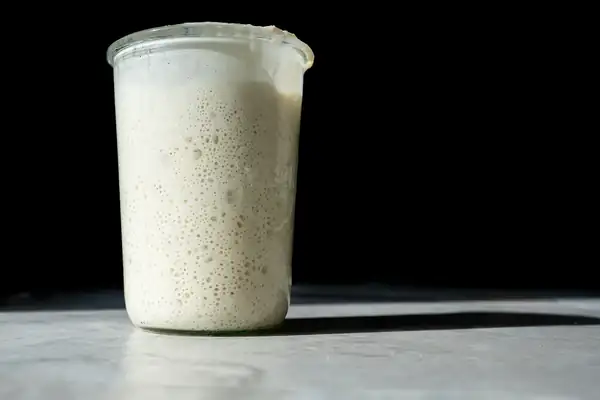
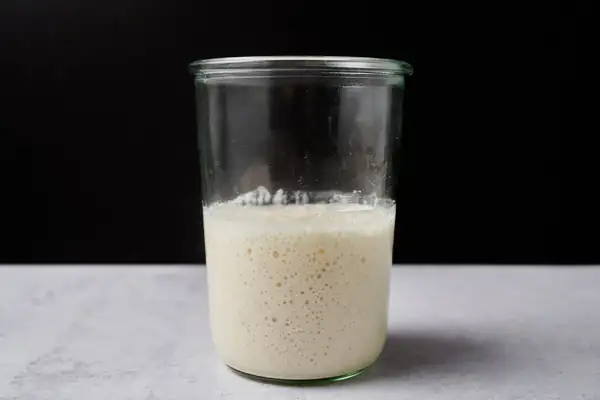
- 220 grams (1 cup) sourdough starter discard (100% hydration, unfed, preferably cold)
- 14 grams (1 large) egg yolk, cold from the refrigerator
- 257 grams (2 cups plus 1 tablespoon) all-purpose flour
- 67 grams (⅓ cup) granulated sugar, plus 25 grams (2 tablespoons) for topping
- 37 grams (¼ cup) rolled oats, plus 19 grams (2 tablespoons) for topping
- 16 grams (4 teaspoons) baking powder
- 2 grams (½ teaspoon Diamond Crystal or ¼ teaspoon Morton) kosher salt
- Use the large holes of a box grater to grate the butter. Transfer to a small bowl and place in the freezer until it goes into the dough.
- In a medium bowl, whisk together the heavy cream, the discard, and egg yolk until smooth. Place in the refrigerator until it goes into the dough.
- Line a sheet pan with parchment paper.
- In a large bowl use a fork to combine the flour, 67 grams (⅓ cup) sugar, 37 grams (¼ cup) oats, baking powder, and salt. Use the fork to toss the grated butter to coat in the flour mixture (no need to work in the butter any more than this), then stir in the cream mixture until just combined. Knead the dough in the bowl a few times to bring it together.
- Dump the dough onto a work surface and pat it together to form a roughly 2-inch tall disk. Cut the disk into 8 wedges. Arrange the wedges evenly on the prepared sheet pan. Freeze the scones until firm, about 30 minutes or up to 8 hours. If not baking after 8 hours, wrap the scones in plastic wrap, then place in a freezer-safe bag. Freeze for up to 2 months.
- When you’re ready to bake, preheat the oven to 375ºF (190ºC) with a rack positioned in the center. Brush each scone with a bit more cream, then sprinkle with 19 grams (2 tablespoons) oats, then 25 grams (2 tablespoons) sugar.
- Bake until the scones are puffed and deeply golden, 22 to 27 minutes (if baking scones that have been frozen for more than 8 hours, they may need an additional 5 or so minutes.) Let cool on the sheet pan for 5 minutes before devouring, or cool completely.
- Store in an airtight container at room temperature for up to 2 days; or wrap individually in plastic wrap and a freezer-safe bag and freeze for up to 2 months. Reheat room temperature scones in a 350ºF (177ºC) oven until warmed through, about 10 minutes; defrost frozen, baked scones for 1 hour at room temperature or overnight in the refrigerator first, then warm through.
To make a successful sourdough starter discard scone recipe, we’ll reduce some—but not all—of the water and flour that appears in such a recipe. After playing around with removing different amounts of the various water-contributing ingredients (cream, egg, and butter), it was clear that, like any other sourdough recipe, a successful starter discard recipe is not the result of using as much of the ingredient as possible. Starter discard truly shines in a recipe when just enough is added to lend a subtle tang.
Use Unfed Discard Straight from the Refrigerator
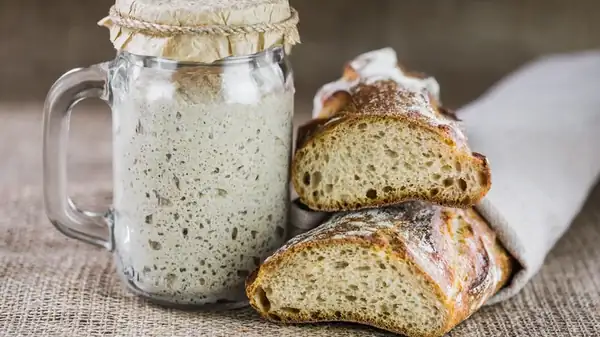
These scones get their lift from plenty of baking powder, aka a chemical leavener, so they don’t need ripe, extra-active sourdough starter. Therefore, unfed sourdough starter discard straight from the refrigerator (from your sourdough starter discard cache) will work perfectly in this recipe.
To Remove Excess Water, Use Egg Yolk and Less Dairy
Sourdough starter discard is fermented flour and water in equal parts by weight. In order to include starter discard in a dough, some plain flour and water needed to be omitted. Flour is easy enough of course; but water is tricker, as scone recipes don’t tend to include pure water, so we have to look for it within other wet ingredients.
Some scone recipes do not call for egg, while others say the main difference between a biscuit and a scone is in fact eggs’ addition. Because I was looking to remove water from the dough to add in the starter discard, and eggs have quite a bit of water, I naturally formulated the recipe around the use of one whole egg. Removing one large egg’s 35-gram white (about 90% water) meant I could add 70 grams of starter discard, or 35 grams each of water and flour, so naturally I went for it, leaving the yolk to contribute fat to the dough.
To remove more water from the recipe, I looked at other dairy often included in scones, specifically butter and milk products, which have varying degrees of water content. While most scone recipes that call for butter also incorporate milk or buttermilk (like our einkorn pumpkin scones), some are made entirely with cream and no butter. I personally find that both butter and cream bring the most valuable textures and flavors to a scone: Butter for craggy-crisp edges and flaky layers, cream for a rich flavor and extra-tender interior.
Because scones come out as pillowy as possible when using very cold ingredients, especially fat, and the best way to remove water from butter is by melting it (as demonstrated in this starter discard sugar cookie recipe), I opted not to remove any water from the butter. Could I have removed water from the butter via melting (essentially making clarified butter), re-chilled it, and then used it in the dough? Sure, but that would’ve added quite a bit to the recipe time, and I simply didn’t want to do that to any hungry bakers. After a few tests with cream as the additional dairy, it was clear that as the cream was significantly reduced, the scones lost some of the richness that makes a cream scone so desirable. Additionally, these minimal-cream scones had quite a bit more tang. I landed on “removing” some, but not all, of the cream, adding up to another 150 grams of sourdough starter discard.
That’s a total of 220 grams, or 1 cup of sourdough starter discard.
Why Use Grated Butter?
For flaky, tender scones, you need small pockets of cold butter. The butter slowly melts in the oven for tenderness, and generates steam to help with rise. While you could cut in butter with your fingers or a pastry blender as you might do in pie dough, grating butter on a box grater creates perfectly sized pieces that you’ll simply toss into the dough to disperse, no cutting needed.
How to Freeze Sourdough Scones (Baked or Unbaked)
If you have lots of starter discard in the refrigerator that you want to use up, make two (or more!) batches of scones and freeze them, baked or unbaked. Scones taste best when baked fresh from raw dough, but reheated frozen scones are nothing to turn up your nose at.
When it comes to baking frozen raw scones or reheating frozen scones, the quality will start to degrade (barely) after 1 month, and more noticeably after 2 months, so I don’t recommend keeping either for more than 2 months.
For freezing unbaked scones: After cutting the scone wedges, place on a parchment-lined sheet pan (you can freeze more than one batch per tray, just ensure there’s at least ¼-inch of space between each scone) and freeze until solid, about 2 hours. Wrap each scone in plastic wrap, then place the scones in a large freezer-safe container or bag. Store in the freezer for up to 2 months. When you’re ready to bake, place up to 8 frozen scones on a parchment-lined sheet pan, brush with additional cream and sprinkle with oats and sugar per the recipe, then bake at 375ºF (190ºC) for 30 to 40 minutes.
For freezing baked scones: Let the scones cool completely, then wrap each scone in plastic wrap. Place in a large freezer-safe container or bag. Store the scones in the freezer for up to 2 months. When you want to reheat, place however many scones you’d like on a sheet pan (no need to line it or worry about spacing them evenly as they won’t stick, and have already expanded during the bake). Defrost at room temperature for 1-2 hours or overnight in the refrigerator. Reheat defrosted scones in a 350ºF (177ºC) oven until warmed through, about 10 minutes.
Description
Tender cream scones come together with kitchen staples—including your sourdough starter.