A dish we love, but we often make a key mistake when preparing it at home
If homemade burgers are not as good as those from a good restaurant, the problem is usually not a lack of special ingredients, but a few key details in the preparation.
1. You choose meat that is too dry
The meat is the main element in a burger, so choosing ground meat that is too lean is not the best idea. The fat during baking provides the juiciness, flavor, and pleasant texture of the patty.
For homemade burgers, ground beef with about 15 to 20 percent fat works well. Form the meat gently and do not knead it for too long, as the patty can become too dense and tough. Salt and freshly ground pepper are usually sufficient for seasoning. Add the salt just before baking.
2. You're squeezing your butt too much.
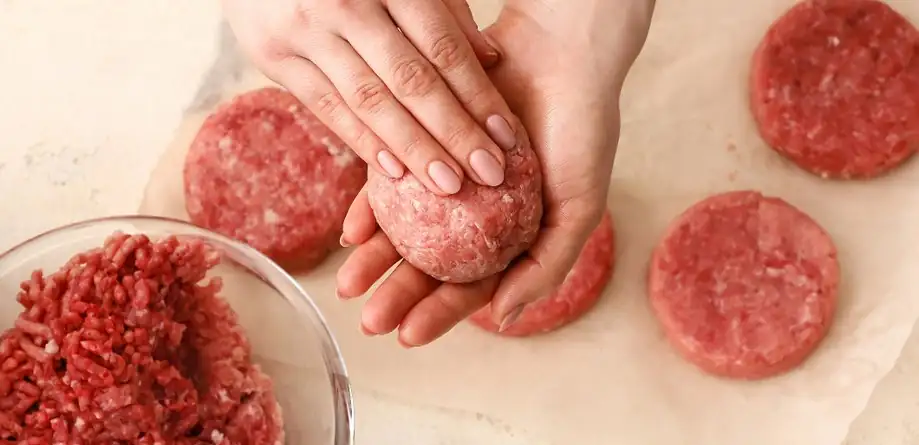
The patty should be shaped loosely and slightly wider than the bun, as it will shrink during baking. For thicker patties, you can make a shallow indentation in the center with your thumb to prevent them from puffing up during baking.
An even bigger mistake is pressing the patty with a spatula while cooking. This forces the juices and fat out of the meat, which should keep it juicy. The exception is the smash burger, where the meatball is pressed firmly against the hot pan right at the beginning. Once the patty is flattened, it is no longer pressed during further cooking.
3. The pan is not hot enough
To get a nice browned crust, the meat needs to be cooked on a very hot surface. A cast iron or other heavy pan with a thick bottom works well, but you can also cook the burgers on a well-heated grill.
Once you place the patty on the pan, leave it alone. Moving and turning it too often prevents the formation of a browned crust, which gives the meat a lot of flavor. With minced meat, it is also important that it is properly cooked inside. If you want to be precise, you can use a kitchen thermometer.
4. You add the cheese too late
The cheese should be nicely melted on the burger, not just placed on the hot meat. It's best to put it on the patty just before the end of cooking. You can then cover the pan with a lid for about half a minute, as the heat underneath will melt the cheese faster and more evenly.
The classic choice is cheddar, but Gouda, Edam, or Emmental also work well. If you like more pronounced flavors, you can also choose smoked or blue cheese.
5. You don't overcook the buns.
Even a great patty can be ruined by a soggy bun. So before assembling the burger, cut it open and quickly fry it in a pan or on the grill, inside side down. This not only gives it a better taste and a slightly crispy texture. The fried surface also absorbs the meat juices and sauce more slowly, so the burger keeps its shape longer.
Brioche buns are popular for their soft texture and slightly sweet taste, but classic sesame buns also work quite well.
6. You overdo it with accessories.
More ingredients don't necessarily mean a better burger. If you load it with multiple types of cheese, bacon, an egg, three sauces, and a bunch of vegetables, the individual flavors quickly get lost. What's more important is balance. A burger should contain something fatty and filling, something fresh, something sour, and enough sauce to keep the ingredients from drying out.
The order is also important. You can first spread a little sauce on the bottom bun, add a lettuce leaf, then the meat with cheese, tomato, onion, pickles, and a little more sauce if desired.
With such a simple sauce, the quality of the individual ingredients is quickly apparent. Le Gusto tomato ketchup contains 230 grams of tomato per 100 grams of ketchup, so it has a distinct tomato flavor that goes well with creamy mayonnaise, mustard and pickles. Its price is also interesting. For a 650-gram package of Le Gusto tomato ketchup, the regular price in HOFER is 1.39 euros or 2.14 euros per kilogram, which is cheaper than ketchups from established brands in other stores.
The most important rule? Serve the burger immediately
Once the meat is cooked, the cheese is melted, and the bun is toasted, don't wait too long to eat your burger. It's best served right away, while the patty is still hot, the vegetables are crispy, and the bread hasn't soaked up too much sauce and meat juices.
So, you don't need professional equipment or secret ingredients to make a great homemade burger. All you need is good meat, a hot pan, properly melted cheese, a toasted bun, and a well-balanced toppings and sauce. It's these little details that make the biggest difference in the end.