The “National Viticultural Landscape Day” is born to tell the story of a living heritage
Even before its rows, cellars, and vineyards, the wine-growing landscape is the result of a history of work, community, knowledge, and a relationship with the land.
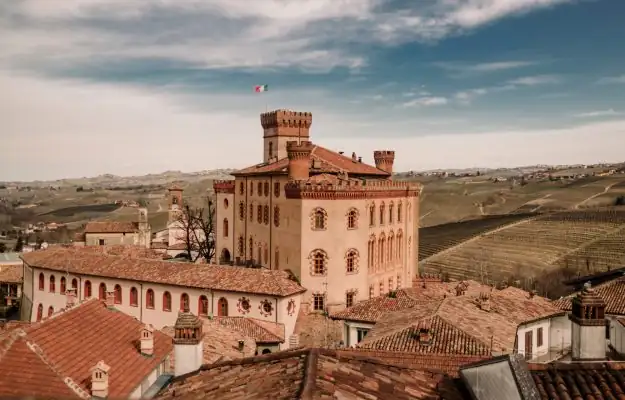
The creation of the GPVI was preceded by a national process of collaboration that brought together different winemaking entities, involving governments, institutions, universities, businesses, industry organizations, and local communities. The first stage took place in Pantelleria, where discussions focused on the value of the vine landscape as a cultural, environmental, and economic heritage and the prospects for a national network dedicated to its protection and enhancement. The process then reached Tollo, in Abruzzo, with three days dedicated to the relationship between the vine landscape, planning, tourism, and territorial development. As part of the initiative, the municipalities of Tollo and Barolo signed a "Friendship Pact" to strengthen the collaboration between two entities linked to the culture of the vine. The final stage of the collaboration will take place in Barolo, Piedmont. Pantelleria, Tollo, and Barolo thus represent three of the many forms taken by the vine landscape in Italy and mark the birth of a network destined to expand nationwide.
From October 20th to 25th, local authorities, institutions, and organizations will be able to offer conferences, vineyard and cellar tours, hikes and walks, tastings, educational workshops, exhibitions, educational activities, outreach meetings, and cultural events, contributing to the creation of a unified calendar from North to South. The goal is to create a collective narrative of Italy's wine-growing landscapes, entrusted directly to the communities that live and protect them.
The second edition of “Itineraries between arts, wine and landscape” will also be included in the National Programme of the GPVI, promoted by MetodoContemporaneo, from 23rd to 25th October, with 14 wineries - from Ca' del Bosco in Franciacorta to Fontanafredda and Castello di Perno (historical residence of the Giulio Einaudi publishing house) in the Langhe, from Bosca in Canelli to La Raia in Gavi, from the Vigne Museum to the Abbey of Rosazzo by Livio Felluga in the Collio Friulano to Bonotto delle Tezze in the Hills of Conegliano Valdobbiadene Prosecco Superiore Docg, from Castello di Ama in Chianti Classico to CastelGiocondo by Frescobaldi in Montalcino, from Rocca di Frassinello (Domini Castellare) in Maremma to Muvit, the Wine Museum of the Lungarotti Foundation in Torgiano, from Feudi di San Gregorio of the Tenute Capaldo Group and from Agricola Bellaria in Irpinia to Tenuta Ulmo of Planeta in Sambuca di Sicilia - distributed across eight Italian regions, from Piedmont to Sicily, will open their doors free of charge for visits, meetings, and experiences dedicated to the dialogue between contemporary art, wine culture, territory, and landscape.
The first Day will also be an opportunity to address some of the key issues related to the conservation and evolution of winegrowing landscapes: from the protection of historic landscapes to the relationship between viticulture, the environment, and landscape quality, from biodiversity to production sustainability, including the tangible and intangible heritage of vine and wine culture, rural architecture, wine trails and wine routes, slow tourism and food and wine, rural communities, and the effects of climate change. Landscape education and the transmission of knowledge will also be central, with a reflection on the role that institutions, businesses, research, governments, cultural and tourism operators, associations, and communities can play in recognizing the vineyard not only as a place of production, but as a cultural asset, a space for collective identity, and a resource for the sustainable development of local areas.